
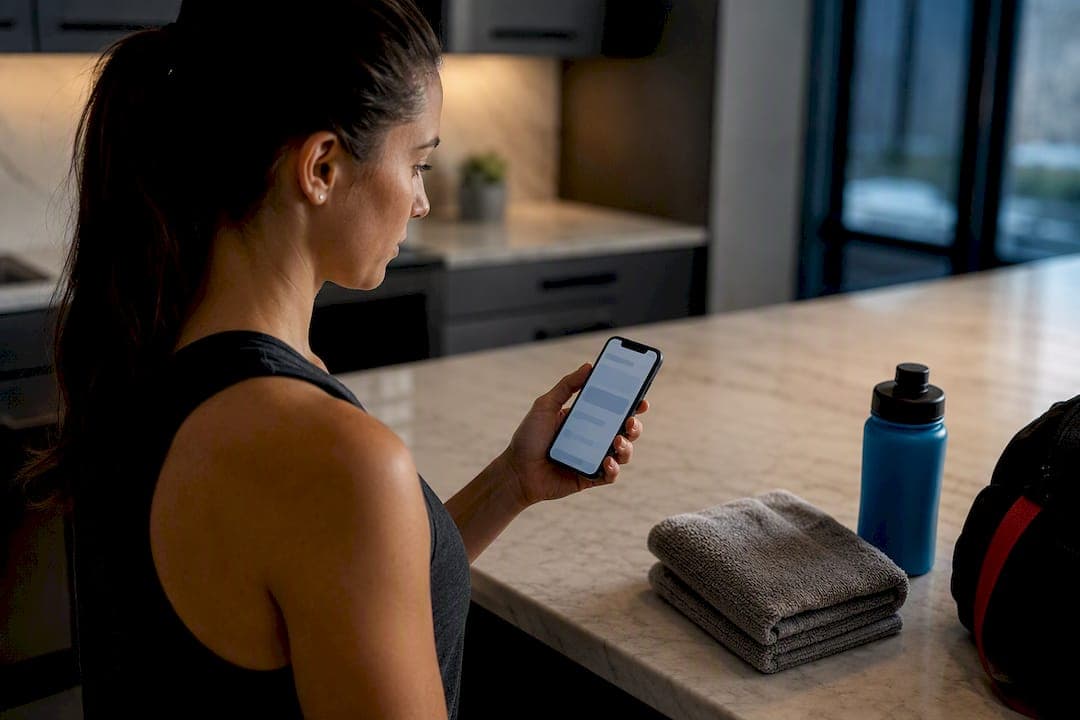
A first personal training session is primarily an assessment and introduction, not a maximal workout. You will spend about 45 to 60 minutes on an intake conversation, a basic movement check, and a light guided workout, all leading to a plan for what comes next. Bring water, wear clothes you can move in, and have any health forms ready to go.
TL;DR:
- The first personal training session mainly focuses on assessment, movement screening, and creating a tailored plan, not intense conditioning.
- Completing health forms and preparing goals beforehand improves efficiency, allowing more time for coaching rather than paperwork.
- The session typically includes an intake conversation, movement evaluation, optional baseline tests, and a low-intensity guided workout, lasting about 45 to 60 minutes.
- Expect to feel mild soreness in the days following, which indicates muscles are adapting; sharp pain or joint discomfort requires trainer consultation.
- Choosing a trainer involves verifying certifications, asking about experience with your goals, and avoiding red flags like pushing maximal effort or ignoring pain.
Table of Contents
- What to Do Before Your First Personal Training Session
- What Happens During the Session Itself
- What Happens After: Soreness and Your Next Steps
- Questions to Ask and Warning Signs to Watch For
- How REP Philosophy Structures a First Session
- What the Research Actually Supports
- Ready to Book Your First Session With Repphilosophy
- Sources
- FAQ
What to Do Before Your First Personal Training Session
The best way to protect your appointment time is to handle the paperwork before you walk through the door. Most trainers ask new clients to complete a health-screening or PAR-Q+ form that flags medical conditions, injuries, and any red flags that would change how your program gets built. Finishing this ahead of time means more of your session goes toward actual coaching instead of clipboard questions.
Getting yourself ready for a personal trainer introduction is part logistics, part mindset. Here's what to have squared away:
- Complete your health-screening and intake forms in advance whenever the studio offers them online.
- Wear workout clothes that let you squat and reach overhead without restriction, plus supportive athletic shoes.
- Bring a water bottle and a photo ID if it's required for building access or membership check-in.
- Eat a light snack one to two hours beforehand if you tend to feel weak on an empty stomach.
- Arrive five to ten minutes early so you're not rushing straight from the parking lot into a squat pattern.
- Mention any accessibility needs or medical accommodations before session day, not after you've started moving.
Mental prep matters as much as the physical checklist. Before you arrive, write down one specific, honest reason you're starting personal training onboarding, whether that's climbing stairs without knee pain or fitting into a suit for a wedding. A short, specific goal statement helps your trainer tailor the movement assessment faster and gives you something concrete to measure against later.
Pro Tip: Write your goal and your biggest physical limitation on your phone's notes app before you leave the house. Trainers can build a smarter first session around one clear priority and one honest constraint than around a vague "get in shape."
What Happens During the Session Itself
Every studio runs things slightly differently, but a first fitness assessment tends to follow a predictable rhythm. Knowing the shape of it in advance is the single biggest anxiety killer for beginner personal training.
- Intake and goals conversation (10 to 15 minutes). Your trainer asks about your health history, past injuries, sleep, stress, and what "success" looks like to you. Answer honestly here. Downplaying an old back injury or a knee that clicks doesn't make you look tougher, it just means your trainer builds a plan around information that isn't real.
- Movement assessment (5 to 15 minutes). You'll be walked through basic patterns, a squat, a hip hinge, a push, a pull, and some core stability work, while your trainer watches for range of motion, balance, and compensation. This isn't a test you can fail. It's how they figure out where your body is starting from.
- Optional baseline measurements. Some sessions include simple body composition checks or a basic cardio and strength benchmark, like a timed set of push-ups or a short walk test. Not every studio does this on day one, and that's fine.
- Guided introductory workout (15 to 25 minutes). This is where you actually train. Expect low-intensity versions of the movements your trainer just assessed, with heavy emphasis on technique cues like "brace your core" or "push your hips back" rather than heavy loads or high reps. Industry training resources consistently frame this part as coaching, not conditioning, which is why the first session structure rarely leaves new clients gasping.
- Plan discussion and scheduling (5 to 10 minutes). You'll talk through training frequency, what your "homework" looks like between sessions, and what you're working toward next time.
Organizations like ACSM publish the activity guidelines many trainers use as a backbone when they sketch out that plan, so the recommendations you hear aren't arbitrary.
What Happens After: Soreness and Your Next Steps
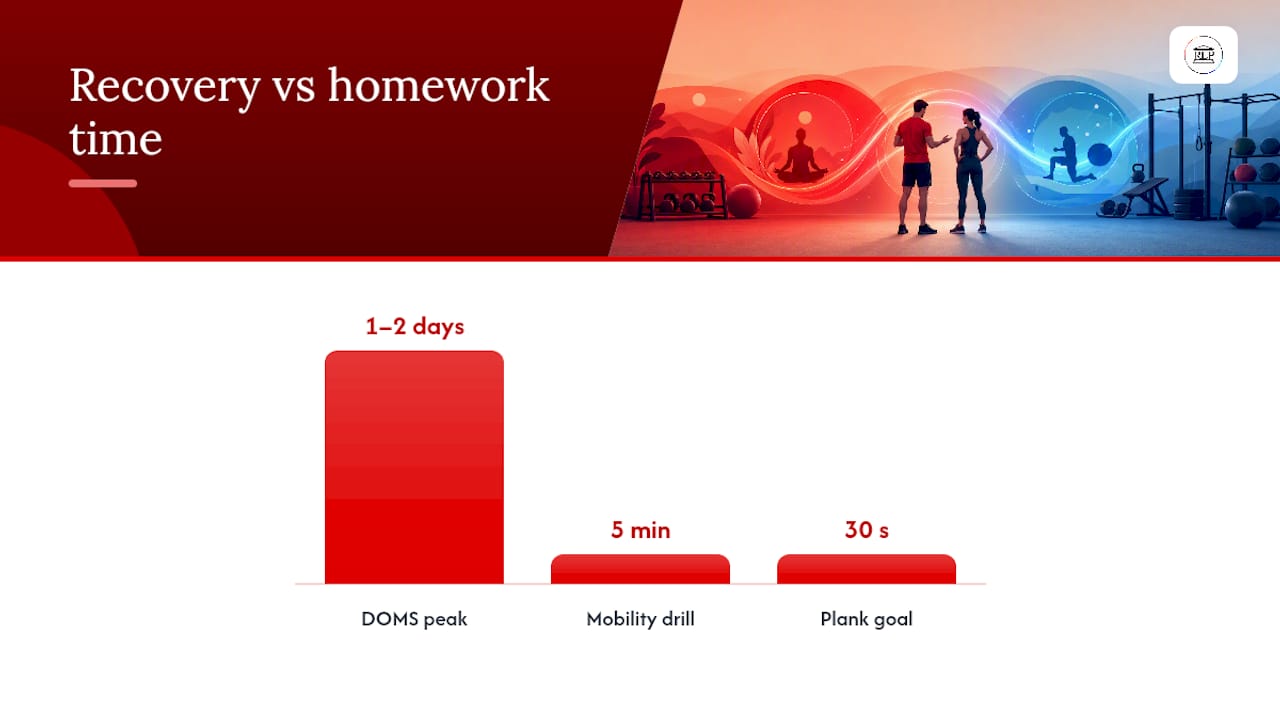
Feeling stiff the next day is normal and, honestly, a decent sign your muscles did something new. Delayed-onset muscle soreness, or DOMS, typically peaks within a day or two after a first workout and fades on its own. Contact your trainer if the pain is sharp, one-sided, or joint-related rather than the dull, all-over ache of tired muscle.
A few things to expect as you settle into a rhythm:
- Beginners often start with a few training sessions each week, building from there as recovery allows.
- Your "homework" between sessions might be a five-minute mobility drill, a short bodyweight circuit, or simply logging how a movement felt.
- Realistic short-term goals look like "hold a plank for 30 seconds" or "squat without knee pain," not "lose 20 pounds in a month."
- Your trainer will use notes from the movement assessment and your feedback to progressively adjust your personalized training plan session by session.
Many trainers deliberately keep day-one intensity low specifically to avoid the kind of crushing soreness that scares beginners away before they've built momentum. The goal isn't to prove you can survive a brutal workout. It's to get you back for session two.
Questions to Ask and Warning Signs to Watch For
A good trainer welcomes direct questions about their background and your safety. Ask these before you commit to a package:
- What certifications do you hold, and do you pursue continuing education?
- Have you worked with clients who share my goals, limitations, or medical history?
- Where's the line between fitness coaching and something you'd refer out to a doctor or physical therapist?
- What's your cancellation policy, and how does pricing work if I want to add sessions later?
The personal training industry has no single governing certification body, which means credentials vary widely from one trainer to the next. Research on trainer qualifications specifically recommends checking education and practical experience rather than assuming one certification equals another, since the letters after a name don't always signal the same training or oversight.
Watch for a few clear red flags: a trainer who pushes you toward maximal effort in your very first fitness assessment, one who brushes off a reported pain or old injury, anyone who makes comments that feel inappropriate rather than professional, or a session that ends with no plan at all. If you leave your first appointment with a rough sense of frequency and next steps, that's compliance with a healthy standard. If you leave confused, that's worth flagging.
You can review a fuller list of vetting questions in our guide to choosing a safe trainer.
How REP Philosophy Structures a First Session
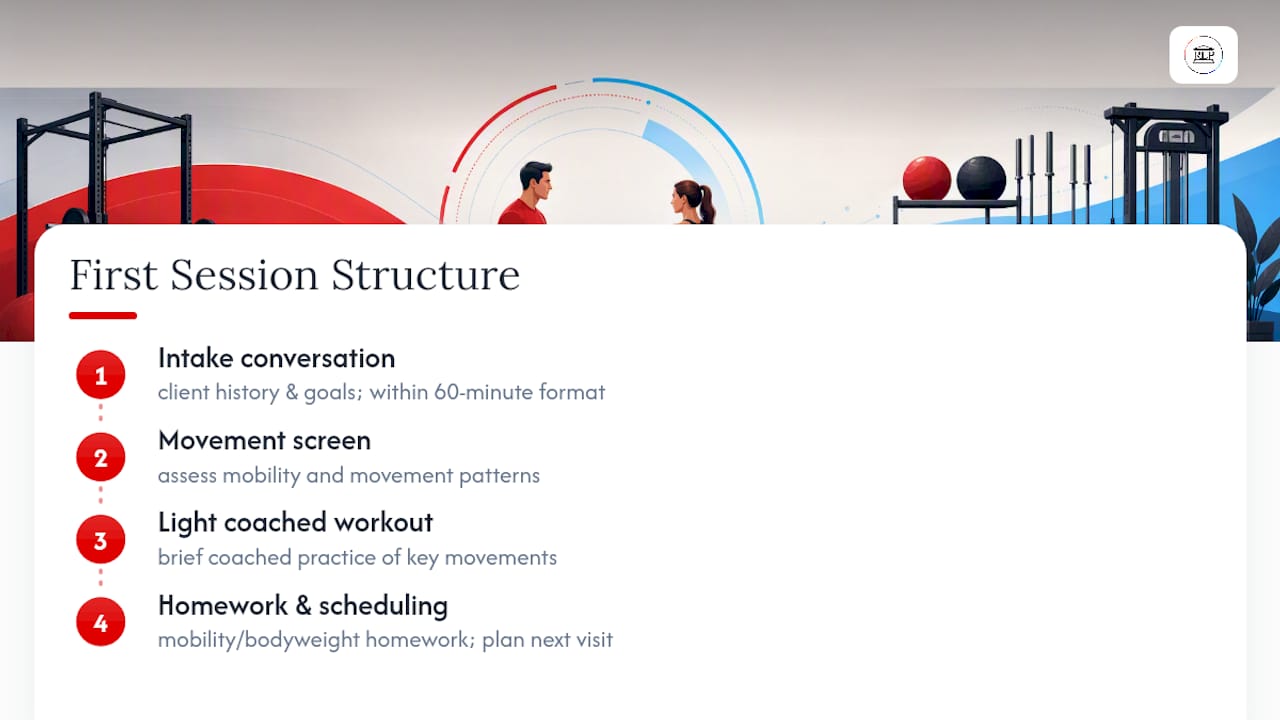
Coach Justin runs first sessions the same way the research above suggests they should run: intake conversation first, movement screen second, a light coached workout third, and homework plus scheduling to close things out. REP Philosophy Coaching offers one-on-one sessions built around that 60-minute format, along with a trial option for anyone who wants to test the fit before committing to a package.
Clients who want to keep training between in-person visits also get access to an on-demand exercise library, which pairs well with the mobility and bodyweight homework most trainers assign after session one. The certifications, client outcomes, and background specific to Coach Justin are detailed on the coaching page itself.
What the Research Actually Supports
The data on first sessions points to one conclusion that a lot of beginner-friendly marketing quietly ignores: the session that helps you most is the one that asks the most questions, not the one that pushes you the hardest. ACE's own training standards frame day one as assessment and coaching skill, not conditioning volume, and that framing exists because trainers who skip straight to intensity lose clients to soreness and burnout before a real program ever takes shape.
Where conventional advice falls short is in treating the first session like an audition, something you need to survive or impress your way through. You don't. The honest answer to "what's my biggest limitation" matters more than how many reps you can grind out. Prioritize disclosure over performance, and prioritize a trainer who documents a real plan over one who just makes you sweat.
If you're weighing where to start that first session locally, REP Philosophy's trial format exists specifically so you can evaluate the coaching relationship before signing on for more.
— Coach Justin
Ready to Book Your First Session With Repphilosophy
Repphilosophy is the practical alternative to guessing your way through fitness alone or gambling on a trainer whose approach you can't preview first. It gives you a trial session before you commit to anything larger, plus options like buddy training and group classes if one-on-one coaching isn't the right fit yet.
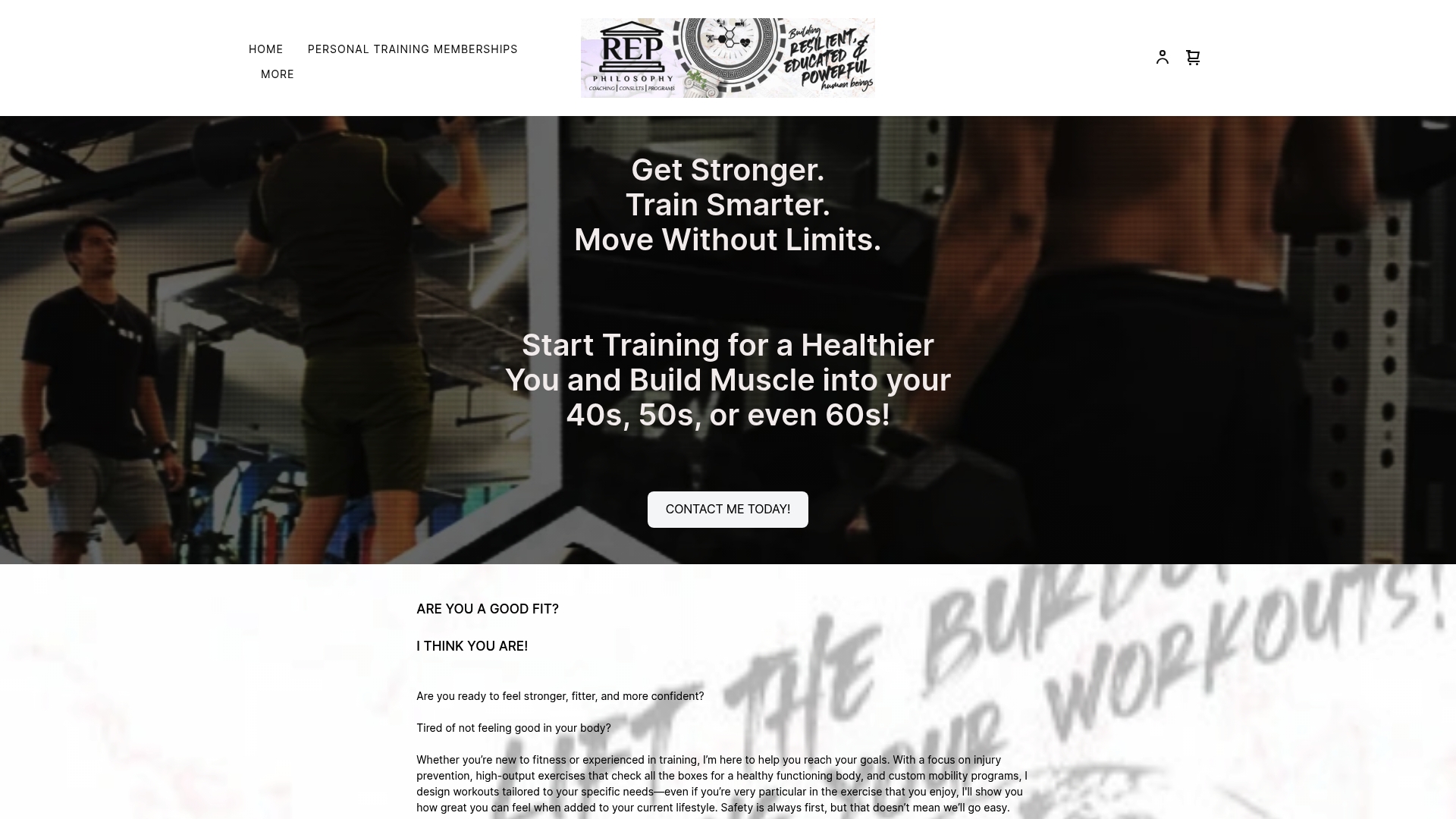
If you're a parent instead of a solo client, youth sports performance training is built specifically for young athletes who need structured, age-appropriate coaching rather than a scaled-down adult program. And if in-person visits don't match your schedule, virtual personal training gives you custom programming and on-demand video access. Whichever format fits your life, the next step is the same: book a personal training trial session and see how a real first session feels before you decide on anything more.
Sources
- Preparticipation health screening and forms in exercise settings (PMC)
- Intro to Personal Training Career Starter Course | ACE
FAQ
How Do I Prepare for My First Personal Training Session?
Complete any health-screening forms in advance, wear clothes you can move freely in, bring water, and arrive five to ten minutes early with one specific goal in mind to share with your trainer.
How Much Does a One-Hour Personal Training Session Cost?
Pricing varies widely by location, trainer experience, and package size, so ask directly about session rates and any discounts for buying multiple sessions or training with a partner.
What Is the 3-3-3 Rule in the Gym?
Definitions vary online, but it's commonly used to describe a simple structure of three exercises, three sets, and three key lifts for beginners easing into strength training rather than an official industry standard.
What Is the 5-3-1 Rule in the Gym?
This typically refers to a strength program built around percentages of a lifter's one-rep max across four-week cycles. It's more relevant to intermediate strength training than to a first fitness assessment.
Will I Be Sore After My First Session?
Mild soreness, known as DOMS, usually peaks 24 to 48 hours after a new workout and fades within a few days; contact your trainer if the pain is sharp or one-sided instead.