
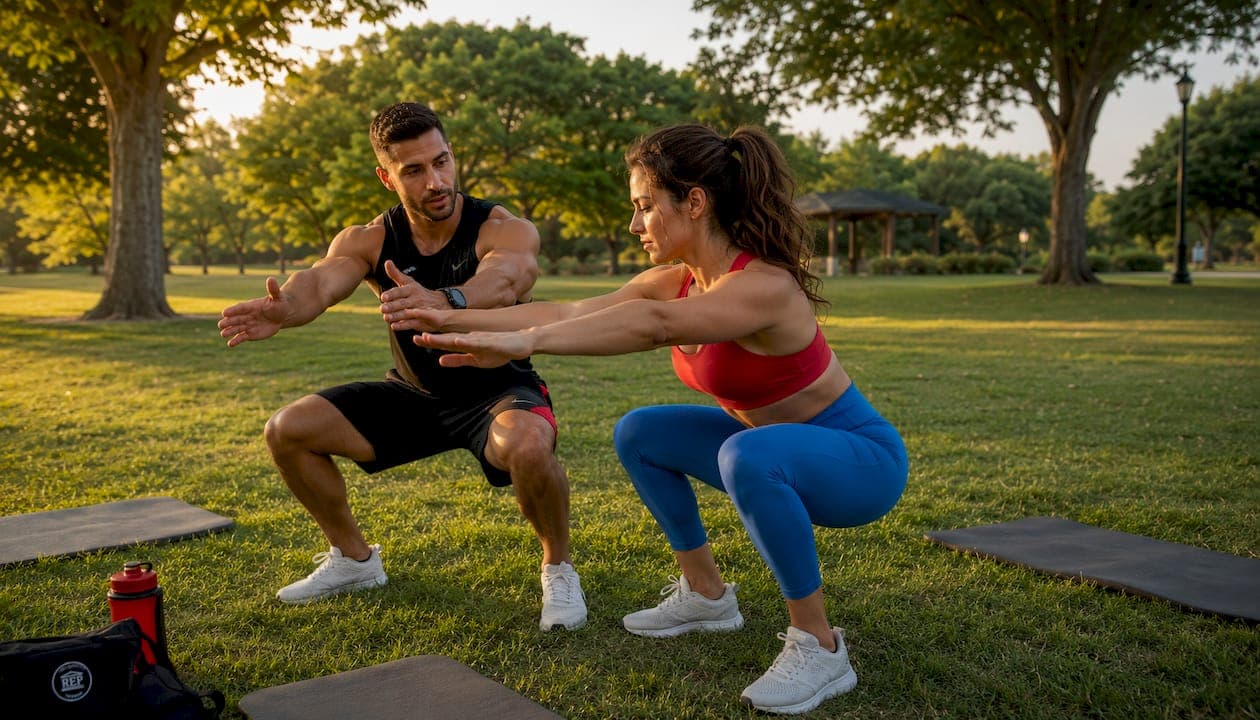
A driven fitness program bundles personalized coaching, structured programming, small-group training options, and virtual support into one accountable system — and if you're a busy adult, a performance-focused athlete, or a parent looking for youth development in the 4S Ranch area, it's absolutely worth trying. Start with a single trial session at REP Philosophy with Coach Justin to see whether the model fits your life before committing to anything.
The 2-day minimum rule is a practical takeaway from the research: commit to at least two sessions per week, treat anything beyond that as a bonus, and your habit will have a foundation. That consistency floor, more than intensity or perfect programming, predicts whether you'll still be training in six months.
Table of Contents
- What does a driven fitness program actually include?
- How do you evaluate a driven-fitness gym or training program?
- What habit strategies actually work for driven training?
- Three sample weekly plans for common fitness goals
- Why REP Philosophy fits the driven-fitness model in 4S Ranch
- Your checklist for starting a driven-style program
- Key Takeaways
- What driven training really comes down to
- REP Philosophy's trial session: what you get and how to book
- Useful sources and further reading
What does a driven fitness program actually include?
Most programs built around this model share a recognizable structure, even when the branding differs. Here's what you can typically expect:
- Initial assessment: A movement screen, baseline metrics (strength, mobility, body composition), and a short intake conversation about your history and goals.
- Individualized programming: A written plan tied to your assessment results, not a generic template handed to every new member.
- Personal training sessions: One-on-one coaching with scheduled check-ins and progressive overload built in. Good progressive fitness programming means your plan evolves as you do.
- Small-group and buddy training: Coached sessions with two to six people, which lower the cost per session while keeping accountability high.
- Youth sports performance tracks: Speed, agility, strength, and sport-specific conditioning for athletes in middle and high school.
- Virtual and on-demand options: Live virtual coaching or a library of pre-recorded workouts for days when getting to the gym isn't possible.
Membership formats vary. Expect monthly all-access memberships, coached session packages, buddy training memberships, and single-session trials. The first session almost always follows the same sequence: intake form, movement screen, baseline metrics, and a short demo workout so you and the coach can calibrate the plan together. If a facility skips the assessment entirely, that's a signal worth noting.
How do you evaluate a driven-fitness gym or training program?
Not every program that calls itself results-driven actually delivers. Before you sign anything, ask these questions directly.
| Evaluation Criterion | What to Look For | Red Flag |
|---|---|---|
| Coach credentials | Certified (NASM, NSCA, ACSM) with continuing education | No listed certifications or vague "experience" claims |
| Programming structure | Written, progressive plan tied to your assessment | Cookie-cutter templates given to every client |
| Class size and coach ratio | 1:1 to 1:6 for coached sessions | Overcrowded group classes with minimal cueing |
| Trial and onboarding policy | Clear trial session with no pressure to commit immediately | No trial option or immediate long-term contract push |
| Progress tracking | Multiple metrics: strength, reps, technique, recovery | Scale weight as the only measure of success |
| Fee transparency | All costs disclosed upfront | Hidden enrollment, cancellation, or "maintenance" fees |
On pricing: boutique coached programs in the U.S. typically cost more per session than a standard gym membership, reflecting the individualized attention and lower coach-to-client ratios. Pay-per-session trials are common and worth using before purchasing a package.
Pro Tip: During your trial session, watch how the coach cues you. A skilled coach corrects form with specific language ("drive your knees out" rather than "good job"), asks about how a movement feels, and mentions what the next progression looks like. That tells you more about program quality than any brochure.
What habit strategies actually work for driven training?
Motivation gets you started. Systems keep you going. The research is clear on a few behaviors that separate people who stick with a program from those who quit after six weeks.
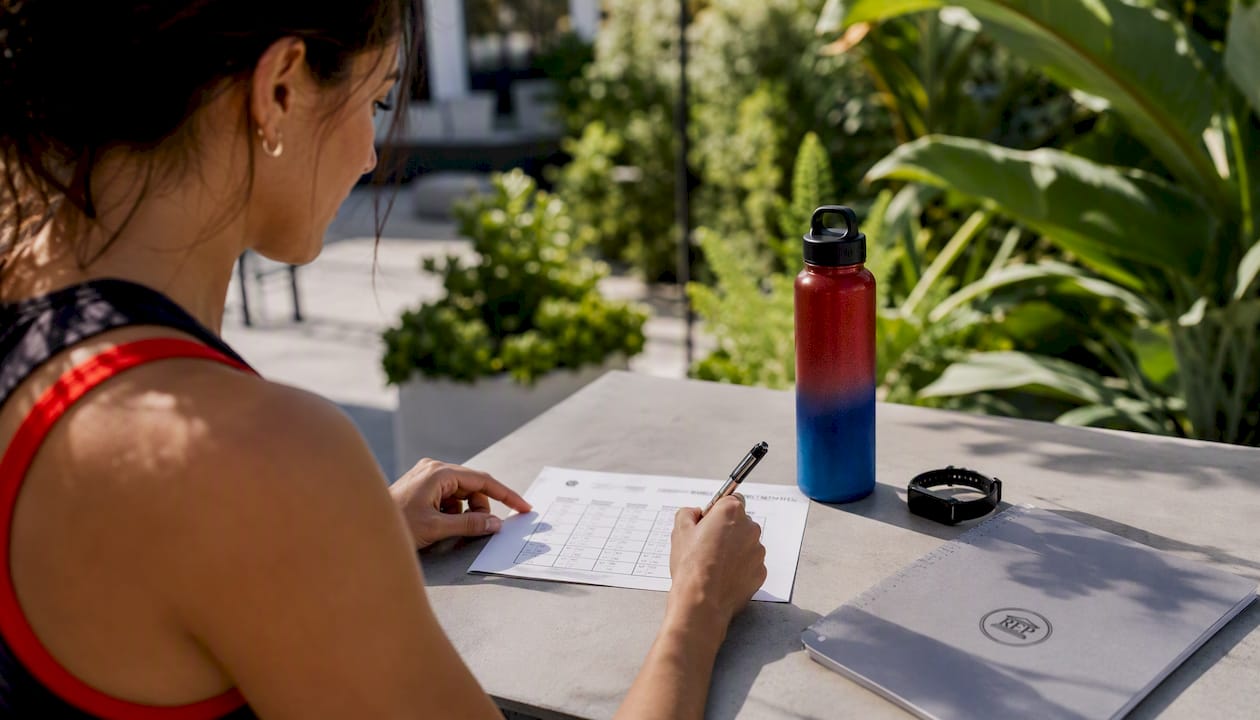
The 2-day minimum rule is your foundation. Commit to at least two workouts per week and treat any session beyond that as optional. This removes the all-or-nothing pressure that causes most people to quit after a missed day.
Process goals over outcome goals. Pairing one outcome goal with two process goals improves adherence and makes training more enjoyable. "Lose 20 pounds" is an outcome goal. "Complete three coached sessions per week and log my meals five days out of seven" are process goals you control daily. Exercise and Sports Science Australia recommends balancing SMART milestones with process-oriented behaviors rather than relying on the SMART framework alone.
The 48-hour comeback rule. Miss a session? Do a short, manageable session within 48 hours rather than doubling volume to "make up" for it. Punitive make-up sessions spike soreness and reinforce the feeling that training is a punishment, not a habit.
| Strategy | How to Apply It |
|---|---|
| 2-day minimum | Book two sessions per week as non-negotiable; extras are bonuses |
| Process + outcome goals | Set one outcome goal, two weekly process goals |
| 48-hour comeback rule | After a missed session, do a short session within two days |
| Habit stacking | Attach your workout to an existing habit (e.g., after morning coffee) |
| Lower the cost to act | Prepare gear the night before, choose your first exercise before leaving home |
Pro Tip: Lay out your shoes and gym bag the night before every scheduled session. This one small act removes the decision-making friction that kills motivation on low-energy mornings. It sounds trivial. It works.
Research also shows that 10 weeks of consistent training predicts long-term adherence better than any short burst of high intensity. Build the habit first; push the intensity later.
Three sample weekly plans for common fitness goals
These templates reflect what a driven-style program looks like in practice. A good coach adapts them during onboarding based on your assessment results.
-
Template A — Busy adult, fat loss and maintenance (2–3 sessions/week) Monday: Full-body strength (squats, rows, push-ups, hip hinges) — 45 minutes. Wednesday: Cardio and mobility (20-minute walk or bike, 15-minute stretch circuit). Friday: Full-body strength, slightly heavier than Monday. Early wins tracked: session completion, step count, and one strength metric over six weeks.
-
Template B — Intermediate strength building (3 sessions/week) Monday: Lower body focus (deadlifts, lunges, leg press, calf raises). Wednesday: Upper body focus (bench press, pull-ups, shoulder press, rows). Friday: Full-body with accessory work (carries, core, single-leg movements). Recovery: one active recovery day with walking or light mobility work. Early wins: top-set weight on two primary lifts, tracked weekly.
-
Template C — Athlete performance (3–4 sessions/week) Monday: Strength (compound lifts, loaded carries). Tuesday: Speed and power (sprints, jumps, change-of-direction drills). Thursday: Strength plus skill practice (sport-specific movements). Saturday: Optional conditioning or recovery. Monitoring: sprint times, vertical jump, and session completion rate over the first six to ten weeks.
A coach using personalized fitness solutions will adjust volume and intensity based on how you respond in the first two to three weeks, not just what the template says.
Why REP Philosophy fits the driven-fitness model in 4S Ranch
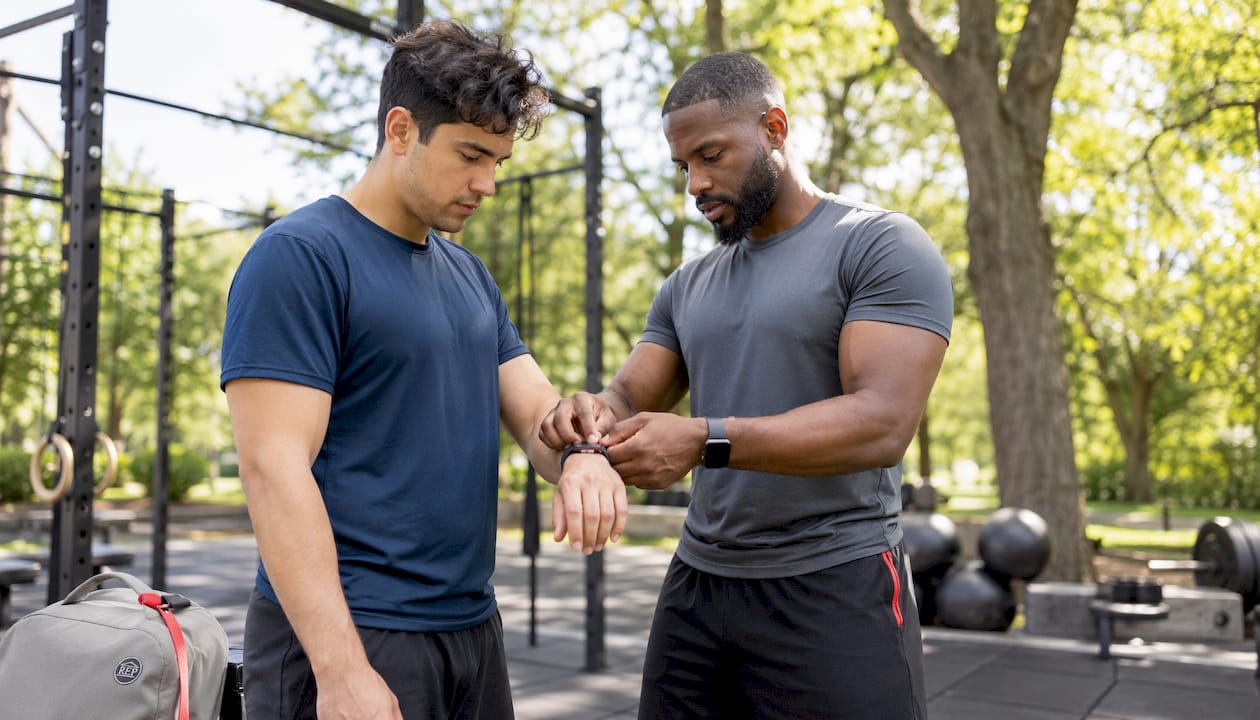
For readers in the San Diego area, Repphilosophy is the local option that genuinely mirrors what a driven fitness program promises. Coach Justin leads every client through a structured onboarding process: intake conversation, movement assessment, and a short coached session before any long-term plan is written.
Services that match the driven-fitness model directly:
- In-person personal training at 4S Ranch, with individualized programming and progressive overload built into every cycle.
- Buddy and small-group memberships that make coached training more affordable without sacrificing the coaching quality. Training with a partner also raises accountability significantly.
- Youth sports performance training through the WayALife Athletics 4S Ranch Sports Performance Center, designed for middle and high school athletes.
- Virtual personal training with a full on-demand exercise library for clients who need flexibility.
The trial session at Repphilosophy includes a movement screen, a baseline assessment, and a short coached workout so you leave with a clear picture of where you are and what the next step looks like.
Your checklist for starting a driven-style program
Before your first session, work through this list:
- Book a trial session and confirm the date and time in your calendar.
- Complete any pre-intake or health history form the facility sends.
- Note any medical considerations, past injuries, or chronic conditions to disclose to your coach. Consulting a doctor before starting is wise if you have ongoing health concerns.
- Schedule your first four sessions within the first two weeks to build early momentum.
- Bring supportive shoes, comfortable training clothes, and any previous training logs or injury history.
- Write down two process goals and one outcome goal before you walk in.
- Ask the coach: How do you measure progress? What does the first six weeks look like? What's your cancellation or rollover policy?
Key Takeaways
A driven fitness program works when you commit to a consistency floor, set process-based goals, and choose a coach who tracks more than just your weight.
| Point | Details |
|---|---|
| 2-day minimum rule | Commit to two sessions per week as your non-negotiable floor; extras are bonuses. |
| Process goals first | Pair one outcome goal with two weekly process goals for better adherence and enjoyment. |
| 48-hour comeback rule | After a missed session, do a short session within two days — never double volume. |
| Evaluate the coach | Watch for specific cueing, written progression plans, and multi-metric progress tracking. |
| Try REP Philosophy | Book a trial session with Coach Justin at 4S Ranch for an assessment, coached workout, and personalized plan. |
What driven training really comes down to
Most people searching for a driven fitness program are actually searching for accountability. They've tried motivation. They've tried willpower. What they haven't tried is a system with a low enough floor that it survives a bad week.
The 2-day minimum isn't a compromise. It's a design choice. A program that demands five sessions a week from someone who's never trained consistently is setting that person up to quit. Two sessions a week, done well, with a coach who tracks your progress across strength, technique, and recovery, will outperform any aggressive plan you abandon after three weeks.
The other thing most articles miss: the comeback rule matters more than the plan itself. How a coach responds when you miss a session tells you everything about whether the program is built for real people or for ideal conditions.
REP Philosophy's trial session: what you get and how to book
Repphilosophy offers a personal training trial session at 4S Ranch that includes a movement assessment, a short coached workout, and a follow-up conversation about your goals and next steps. No long-term commitment required for the trial.
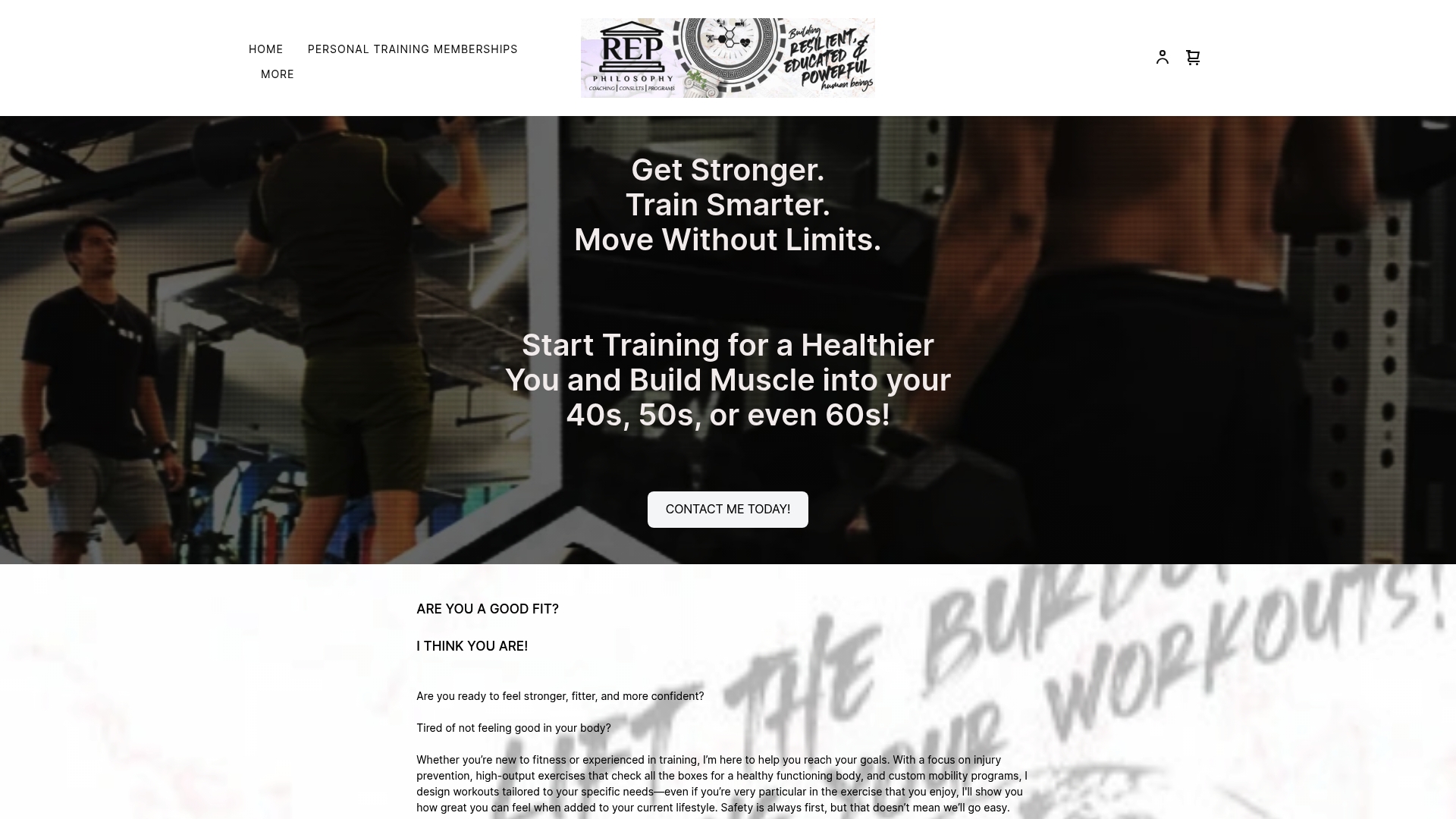
If you're not local or prefer to start with less commitment, the virtual training and on-demand library gives you access to custom programming and video-guided workouts from anywhere. Browse all coaching options and membership packages at the REP Philosophy shop and book the option that fits where you are right now.
Useful sources and further reading
- Workout Motivation: How to Stay Consistent When Hype Fades — FitnessVolt: Supports the 2-day minimum rule, the 48-hour comeback rule, and the 10-week consistency predictor discussed in the habit strategies section.
- Goal Setting in Exercise and Physical Activity — Exercise and Sports Science Australia via Springer: Expert statement on balancing SMART goals with process-oriented behaviors; cited in the goal-setting section.
- How to Set Fitness Goals — Sports Research: Explains the process-goal framework and the one-outcome-plus-two-process-goals recommendation.
- 4-Week Workout Plan to Build Motivation — Today.com: Practical friction-reduction tactics, including the gear-prep habit and first-exercise selection.
- SMART Fitness Goals You Can Actually Keep — Cleveland Clinic: Useful for understanding how SMART goal structure supports short-term clarity in fitness planning.
- How to Set Exercise Goals — USA Today: Practical onboarding advice, including when to consult a doctor before starting a new program.