
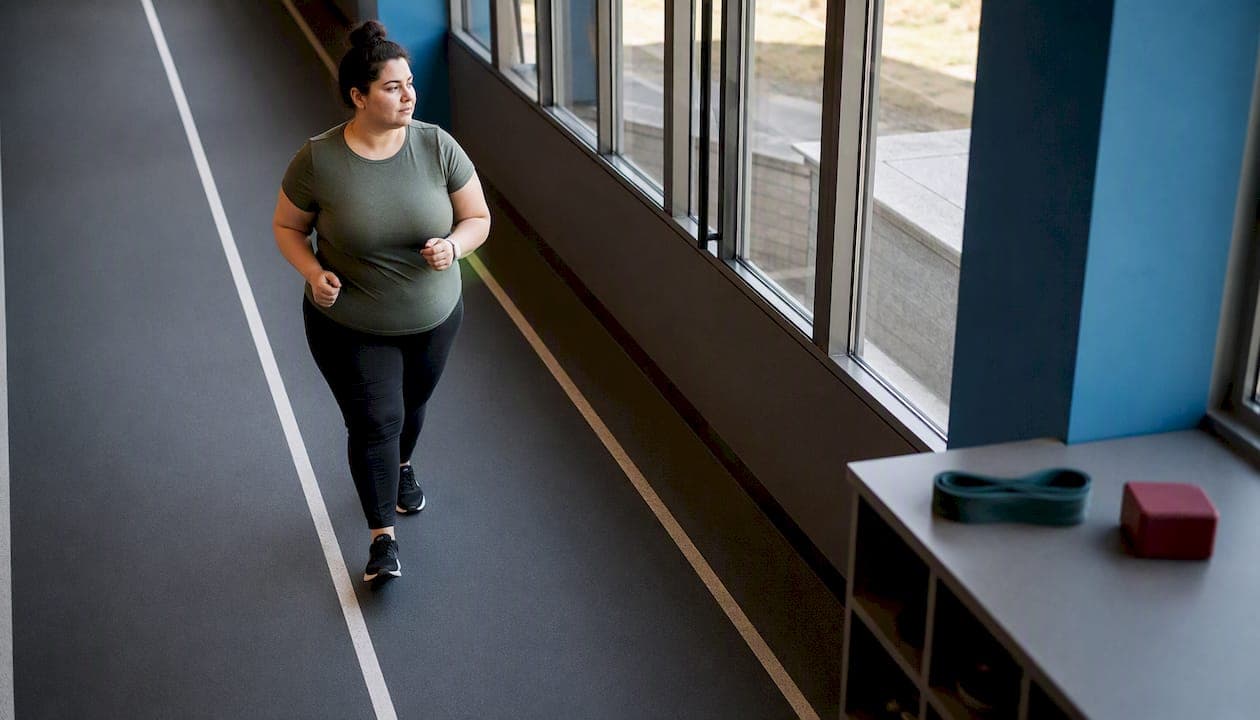
The safest and most effective approach for obese beginners combines low-impact aerobic exercise, twice-weekly resistance training, and daily mobility work, with medical clearance for anyone carrying high cardiovascular or joint risk. That combination, backed by the Physical Activity Guidelines for Americans, gives you a foundation that builds fitness, reduces pain, and protects your joints from day one.
Here is what every beginner-friendly program for people with obesity should include:
- Low-impact cardio: Walking, recumbent cycling, pool-based exercise, or seated cardio, building toward the recommended 150 minutes of moderate activity per week.
- Resistance training: Bodyweight movements, resistance bands, or machines at least twice per week to preserve muscle and support metabolic health.
- Mobility and stabilization: Daily trunk and balance work that reduces joint pain and improves function, often within just four weeks.
One safety reminder before anything else: if you have a cardiac history, uncontrolled blood pressure, recent surgery, or severe joint pain, get medical clearance before starting. The 4-week starter plan below is built around these three pillars and gives you a ready-to-use structure from your very first session.
Table of Contents
- What safety checks should you do before starting?
- Which exercise types work best for obese adults starting out?
- How do you modify exercises for joint pain or limited mobility?
- When is it safe to increase intensity?
- How do you find the right trainer or program?
- Key Takeaways
- The part most beginner programs get wrong
- Ready to train safely with real coaching behind you?
- Useful sources
What safety checks should you do before starting?
Starting well means starting smart. Certain conditions genuinely require a conversation with your doctor before you lace up your shoes, and knowing which ones apply to you is the first real step in any beginner fitness program for weight loss.
Who needs medical clearance first? Anyone with a history of heart disease, uncontrolled hypertension, recent orthopedic surgery, type 2 diabetes with complications, or severe joint pain that limits daily movement should get a physician's sign-off before beginning. This is not a formality. It is the step that keeps your first workout from becoming your last for a while.
For everyone else, a few simple at-home checks tell you a lot:
- The talk test: During light activity, you should be able to speak in short sentences without gasping. If you cannot, the intensity is too high.
- Resting heart rate response: After five minutes of seated rest, your heart rate should feel calm and steady. An unusually elevated resting rate warrants a check-in with your doctor.
- Short warm-up tolerance: If a five-minute gentle walk or seated march leaves you dizzy, short of breath, or with chest tightness, stop and seek medical advice before continuing.
The CDC's physical activity guidance for adults reinforces that breaking activity into shorter sessions reduces early cardiac and injury risk, which is exactly why starting with shorter bouts of exercise rather than longer continuous sessions is both safer and more sustainable.
Your pre-session safety checklist every time:
- Warm up for at least five minutes before any conditioning work.
- Wear supportive, cushioned footwear with a wide toe box.
- Hydrate before, during, and after every session.
- Progress no faster than 10% more volume per week.
- Keep a simple log of how you feel during and after each session.
Pro Tip: Use a perceived exertion scale of 1–10 and aim for a 4–5 during your first month. You should feel like you are working, but you should never feel like you are fighting. Recovery between sessions matters as much as the sessions themselves.
Which exercise types work best for obese adults starting out?
Not all exercise is created equal when joint load, balance, and cardiovascular capacity are all factors. The good news is that the best exercises for obese adults are also genuinely enjoyable once you find the right fit.
Low-impact aerobic options
Walking remains the single most accessible starting point. Begin on flat ground at a comfortable pace, then progress by adding slight incline or extending duration before increasing speed. Recumbent cycling takes pressure off the knees and lower back while still delivering solid cardiovascular work. The elliptical offers a full-body, joint-friendly alternative for those with gym access.
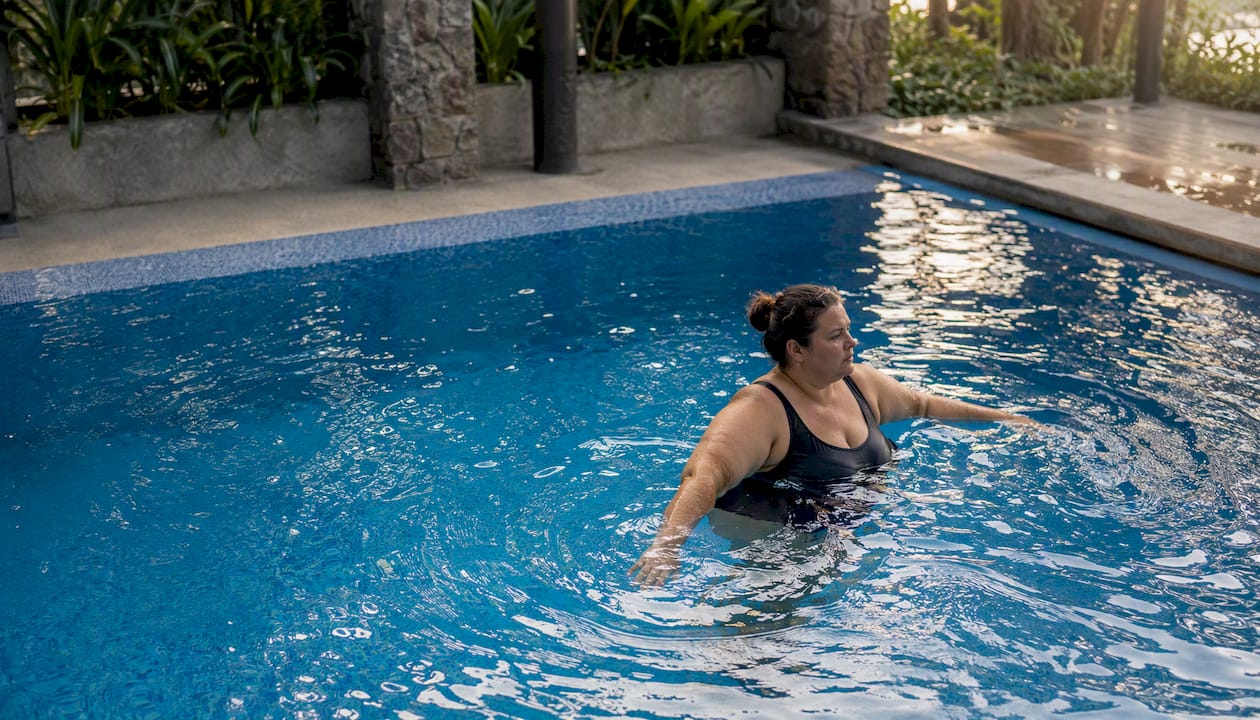
Pool-based exercise deserves special mention. Aquatic exercise supports body weight and reduces joint impact while still enabling resistance-based movements, making it one of the most effective low-impact training options for overweight beginners dealing with knee or hip pain. Seated cardio, including chair marching, seated punches, and seated leg raises, works well for those with very limited standing tolerance.
Mobility and stabilization
Stabilization and mobility programs show functional improvements in as little as four weeks, independent of significant weight loss. That means you feel better, move better, and hurt less, even before the scale shifts much. Trunk stabilization exercises like seated dead bugs, standing hip circles, and supported single-leg balance drills reduce joint pain and improve the mechanics that make every other exercise safer.
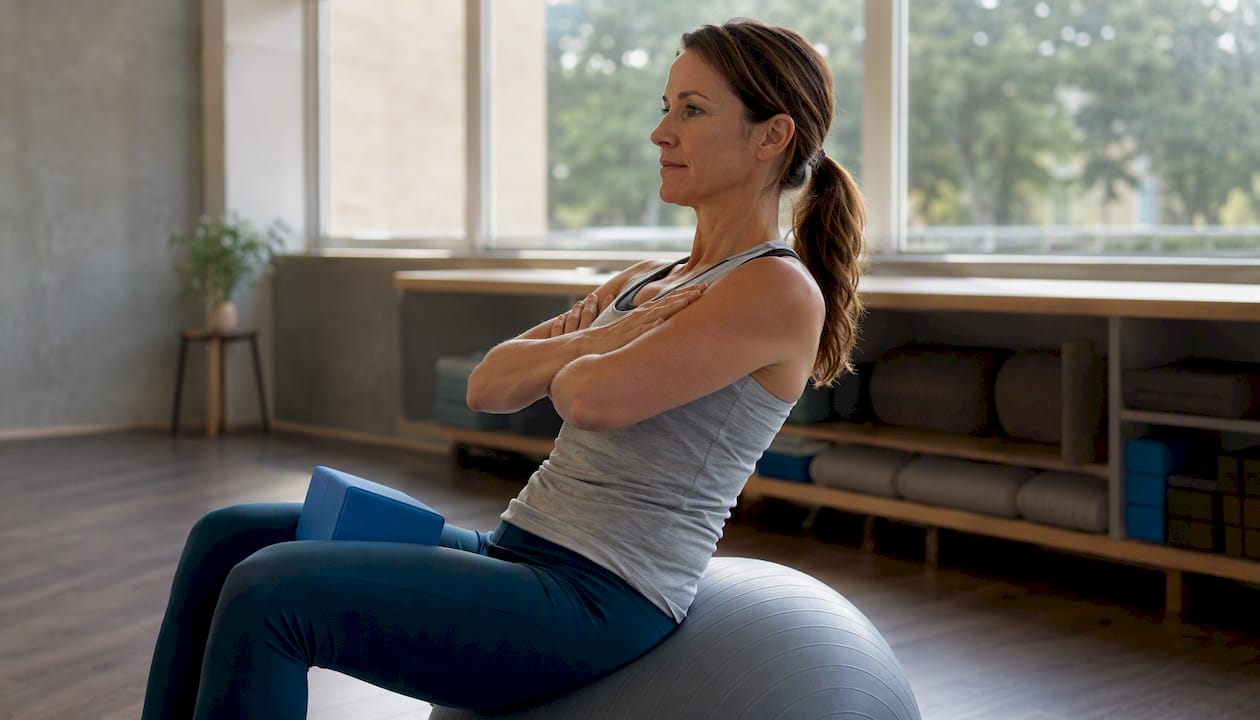
Chair-based progressions are a practical first-line option for anyone with severe mobility limits. A sturdy chair becomes your anchor for balance work, seated core engagement, and supported standing movements. Simple tools like a foam pad or small gym ball add instability in a controlled way as you progress.
How do you modify exercises for joint pain or limited mobility?
Pain is information, not a barrier to entry. Most beginner-friendly exercise routines can be adjusted to work around knee, hip, or back discomfort without losing their effectiveness.
Common modifications by pain location:
- Knee pain: Replace standing squats with chair sit-to-stand using a higher seat. Swap walking lunges for standing hip abduction with a band. Pool walking removes most knee load entirely.
- Hip pain: Recumbent cycling keeps the hip in a supported, neutral position. Avoid deep hip flexion until cleared by a physical therapist.
- Lower back pain: Prioritize seated and supine core work before standing movements. The seated dead bug (pressing your lower back into the chair while alternating leg extensions) is a safe starting point.
- Limited range of motion: All standing exercises can begin as seated versions. Progress to standing only when you can complete the seated version with full control and no pain.
Your minimal equipment list:
- Sturdy chair (no wheels)
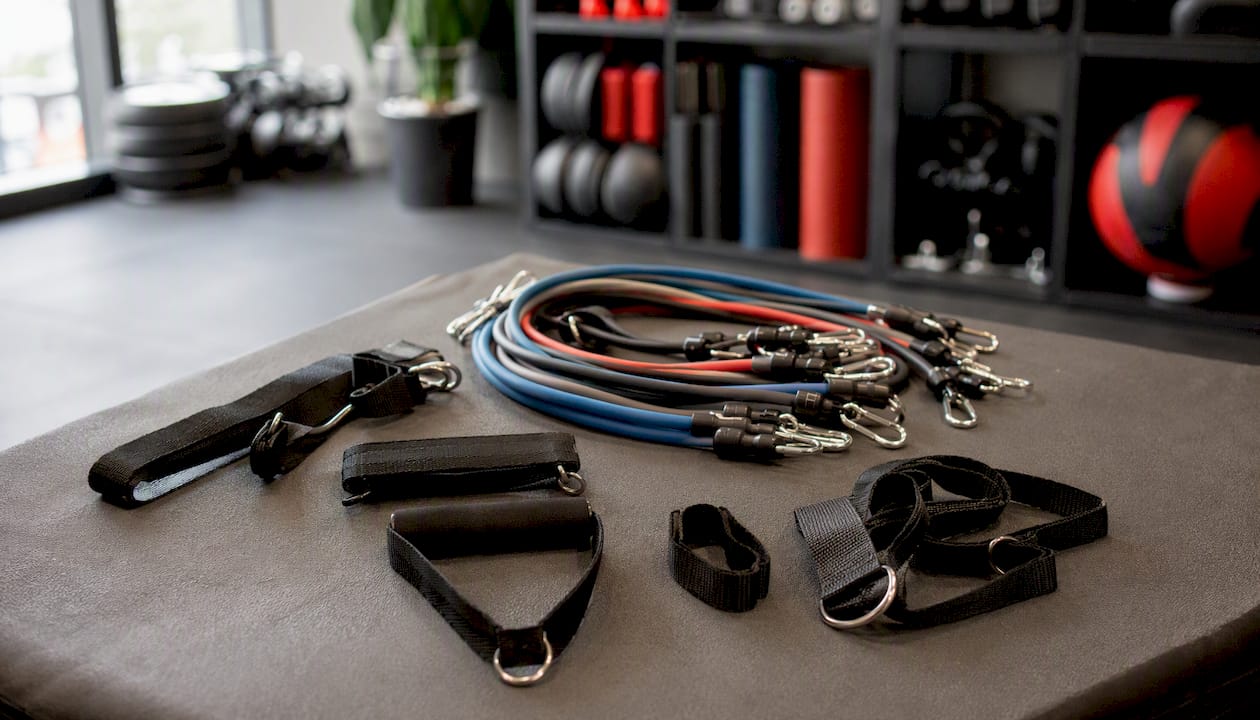
- Two resistance bands (light and medium)
- Exercise mat
- Light dumbbells (2–5 lbs to start)
- Pool access or recumbent bike (optional but highly recommended for joint issues)
Affordable alternatives exist for almost everything. A folded towel works as a mat. A full water bottle or soup can replaces a light dumbbell. Stairs substitute for a step platform. The functional fitness principles that guide Repphilosophy's approach to overweight clients are built around exactly this kind of practical adaptation.
Pro Tip: When buying resistance bands, choose a set with a door anchor and handles. It expands your exercise options significantly without taking up space or costing more than $20–$30.
When is it safe to increase intensity?
Progression is the engine of long-term results, but moving too fast is the most common mistake beginners make. Use these checkpoints before adding any intensity:
- You have completed the current level for at least two consecutive weeks without pain.
- Your RPE for the same workout has dropped from a 5 to a 3 or 4, meaning it feels easier.
- Your recovery between sessions is complete: no lingering soreness or fatigue going into the next workout.
- Your form is consistent and controlled throughout every set.
Once those boxes are checked, the progression order is: frequency first, then duration, then intensity. Add a day before you add load. Add minutes before you add speed.
What about HIIT? High-intensity interval training can improve insulin sensitivity and cardiorespiratory fitness in people with obesity, but it should only be introduced after a formal cardiovascular risk assessment and under professional supervision, as the European Association for the Study of Obesity's exercise recommendations make clear. For most beginners, that means HIIT is a month-three or month-four conversation, not a week-one experiment. When you do introduce intervals, start with a 1:3 work-to-rest ratio (20 seconds of effort, 60 seconds of recovery) and build from there.
Red flags that require clinical clearance before progressing:
- Chest pain or tightness during or after exercise
- Dizziness or lightheadedness that does not resolve quickly
- Blood pressure readings consistently above 160/100 mmHg
- New or worsening joint pain that persists beyond 24 hours after a session
Pro Tip: Schedule a structured reassessment every six to eight weeks. Log your resting heart rate, your RPE for a standard session, and your pain levels. Objective markers tell you far more than how you feel on any given day.
Progressive fitness programming follows a clear framework: small, consistent additions over time beat dramatic overhauls every time.
How do you find the right trainer or program?
The right support system makes an enormous difference, especially in the first eight weeks when motivation and confidence are still being built. Knowing what to look for saves you from wasting time or, worse, getting hurt under poor guidance.
In-person vs. small-group vs. virtual training:
- In-person personal training offers the highest level of individualization and real-time form correction. It is the best fit if you have significant mobility limits, joint pain, or a complex medical history.
- Small-group training (two to four people) reduces cost while maintaining meaningful coaching attention. It also adds a social element that supports adherence.
- Virtual training works well for those with schedule constraints or limited local access. Look for programs that include a video library, custom programming, and regular check-ins rather than generic plans.
Credentials and experience to prioritize:
- ACSM (American College of Sports Medicine) or NSCA (National Strength and Conditioning Association) certification
- Documented experience working with clients who have obesity or related conditions
- Familiarity with corrective exercise or collaboration with physical therapists when needed
Questions to ask before committing:
- How do you assess a new client's starting point and medical history?
- What does your progression plan look like for someone starting from zero?
- How do you modify sessions for joint pain or limited mobility?
- What is your group size, and how much individual attention will I receive?
- How do you coordinate with my healthcare provider if needed?
On your first session, expect a movement screen or fitness assessment, not a brutal workout. A qualified trainer working with obese beginners should spend that first hour learning how you move, not testing your limits. For more on what to expect from a certified trainer working with obese clients, the role involves far more individualization than a standard fitness class.
Harvard Health's research on activities that support long-term weight maintenance also points to enjoyment as a key adherence factor. If you hate what you are doing, you will not stick with it. Finding a trainer or program that makes sessions feel worthwhile, not punishing, is not a luxury. It is a strategy.
Key Takeaways
The safest beginner fitness programs for people with obesity combine low-impact aerobic work, twice-weekly resistance training, and daily mobility exercises, building toward the recommended amount of moderate activity per week with no more than 10% volume added each week.
| Point | Details |
|---|---|
| Start with three pillars | Combine low-impact cardio, resistance training twice weekly, and daily mobility work from day one. |
| Use short bouts to build up | Three 10-minute sessions count the same as one 30-minute session, making the 150-minute weekly goal reachable. |
| Progress by the 10% rule | Increase total weekly volume gradually each week to reduce injury risk and support steady adaptation to reduce injury risk and support steady adaptation. |
| Get clearance if high risk | Cardiac history, uncontrolled hypertension, or severe joint pain requires medical sign-off before starting. |
| Repphilosophy fits this approach | In-person, small-group, and virtual training options at Repphilosophy are built around safe, individualized progression for beginners. |
The part most beginner programs get wrong
Working with beginners who carry extra weight, I see the same mistake repeated constantly: programs that start too hard, too fast, and treat discomfort as a sign of progress rather than a warning. The fitness industry has a complicated relationship with intensity, and it does not always serve people who are just getting started.
Here is what actually matters in the first eight to twelve weeks: showing up consistently, moving without pain, and building the habit. That is it. The scale will not move dramatically in that window, and that is fine. What will change is how you feel getting up from a chair, how your joints respond to a 20-minute walk, and how your energy holds up through the afternoon. Those are the real early wins, and they are worth more than any number on a scale.
The research backs this up. Exercise interventions for people with obesity produce meaningful improvements in fitness and cardiometabolic health even when weight loss is modest. Chasing dramatic weight loss in the first month leads to overtraining, injury, and dropout. Chasing consistency leads to results.
One more thing: stabilization work is not a warm-up filler. For many beginners with obesity, it is the most important thing in the program. Improving trunk control and balance reduces joint pain, makes every other exercise safer, and builds the foundation that higher-intensity work later depends on. If your trainer skips it to get you on the treadmill faster, that is a red flag.
Ready to train safely with real coaching behind you?
If you have read this far, you are serious about starting, and that matters. Repphilosophy offers exactly the kind of guided, individualized training this article describes, whether you want in-person coaching at our 4S Ranch facility in San Diego, a small-group session that keeps costs manageable, or a fully virtual option you can follow from home.
Every new client starts with a proper assessment, not a generic workout. Programs are built around your mobility, your history, and your goals, with progressions that respect where you are right now. For those who prefer training at home, the on-demand exercise video library gives you coached, beginner-friendly sessions you can follow at your own pace.
Ready to take the first step with a coach who will stand by your side? Book a trial personal training session in 4S Ranch, or browse all available services to find the option that fits your schedule and budget.
Useful sources
The recommendations in this article are grounded in the following clinical guidelines and research reviews:
- Physical Activity Guidelines for Americans, 2nd edition
- Exercise training in the management of overweight and obesity in adults: Synthesis of the evidence and recommendations from the European Association for the Study of Obesity Physical Activity Working Group
- Exercise Guidelines for Enhancing Mobility and Stability in Individuals with Severe Obesity
- Fitness program: 5 steps to get started - Mayo Clinic
- CDC — Physical Activity Basics for Adults
- Six activities can help obese people lose weight and keep it off — Harvard Health
- Beginner workout plan — Cleveland Clinic
- Exercises for Obese People: Ease Into Working Out — Healthline
This article is general fitness information, not medical advice. Confirm any exercise program with your physician or a qualified healthcare provider before starting, especially if you have existing health conditions.