
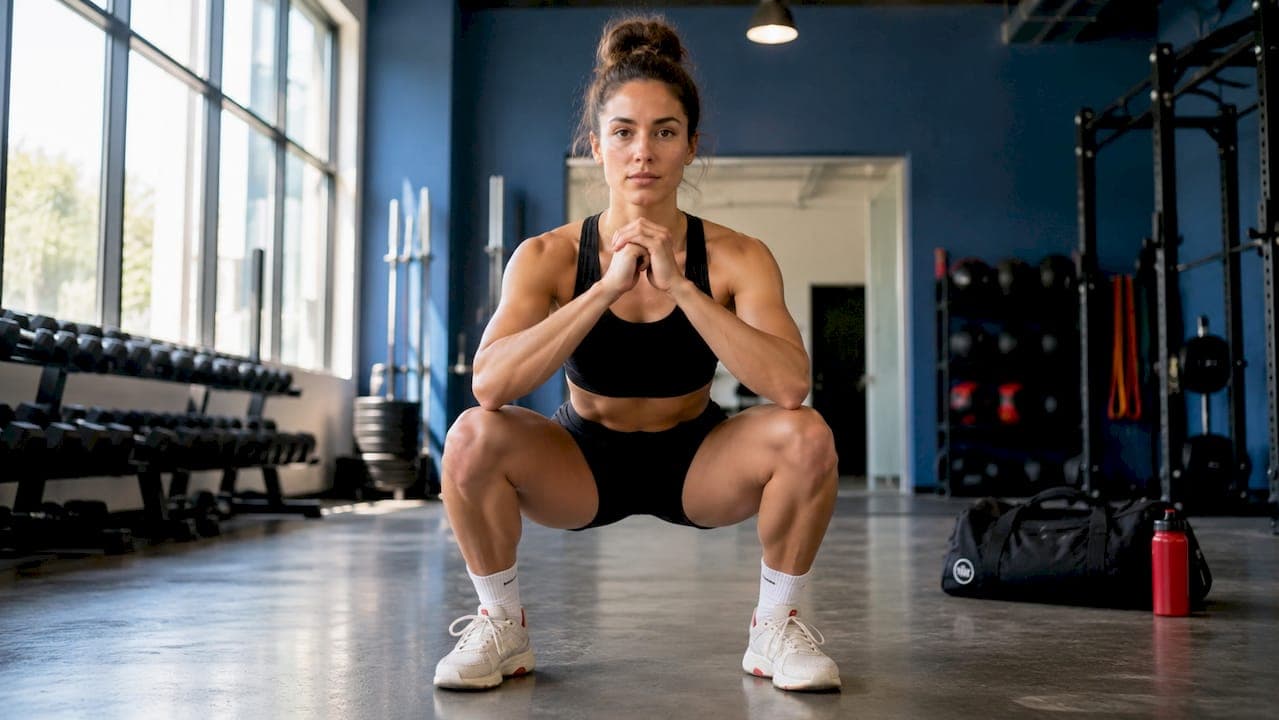
Beginner-friendly strength training is any exercise routine designed to help newcomers build muscle and strength safely using basic movements and manageable resistance. The industry term for this approach is foundational strength training, and it centers on learning five core movement patterns: squats, hip hinges, pushes, pulls, and core stability. You do not need a gym membership, heavy barbells, or a complicated program to get started. What you need is consistency, good form, and a plan that grows with you. Whether you are exploring easy strength workouts at home or stepping into a gym for the first time, this guide gives you a clear path forward.
What is beginner-friendly strength training?
Beginner-friendly strength training is a structured approach to building physical strength that prioritizes technique, safety, and gradual progression over lifting heavy loads. It focuses on compound movements, which are exercises that work multiple muscle groups at once, rather than isolated machines or advanced techniques. Squats, push-ups, lunges, glute bridges, rows, and planks are the foundation of this method. These movements mirror the way your body moves in everyday life, making them both practical and sustainable.
Functional movements like squats and deadlifts improve independence and reduce injury risk by training your body the way it naturally operates. That is why strength coaches consistently return to these same patterns when designing programs for new trainees. The goal at the start is not to lift the most weight. The goal is to move well, build confidence, and set a foundation that supports long-term progress.
What are the key beginner strength exercises?
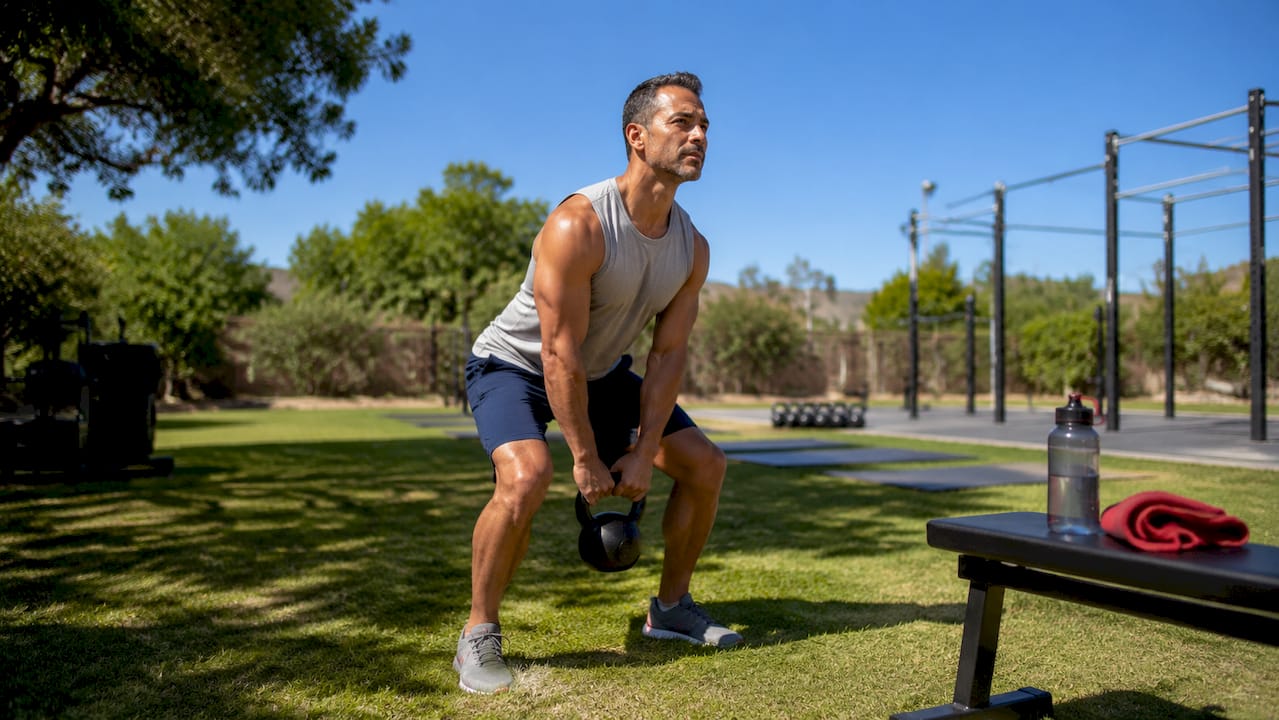
Balanced beginner routines focus on 5 to 6 compound exercises built around core movement patterns. Each pattern trains a different part of your body and serves a specific functional purpose. Here is a breakdown of the five patterns every beginner should learn:
| Movement Pattern | Example Exercises | Muscles Worked | Beginner Tip |
|---|---|---|---|
| Squat | Bodyweight squat, goblet squat | Quads, glutes, hamstrings | Keep chest tall, knees tracking over toes |
| Hip Hinge | Glute bridge, Romanian deadlift | Glutes, hamstrings, lower back | Push hips back, not down |
| Push | Push-up, dumbbell shoulder press | Chest, shoulders, triceps | Keep core tight, avoid flaring elbows |
| Pull | Dumbbell row, resistance band row | Back, biceps, rear shoulders | Squeeze shoulder blades together |
| Core Stability | Plank, dead bug | Abs, obliques, lower back | Breathe steadily, avoid holding breath |
Bodyweight versions of each exercise are the right starting point. Once you can perform 12 clean reps with full control, you are ready to add light resistance through dumbbells or resistance bands. Progression is earned through quality, not rushed through ego.
Pro Tip: Focus on range of motion and control before adding any load. A slow, controlled bodyweight squat builds more strength and body awareness than a rushed squat with a barbell.
How do you structure a beginner strength routine?
Two to three full-body workouts per week are sufficient for beginners to see real strength and muscle gains. This frequency allows your body to recover between sessions while building the habit of consistent training. Trying to train five or six days a week right away leads to burnout and increases injury risk.
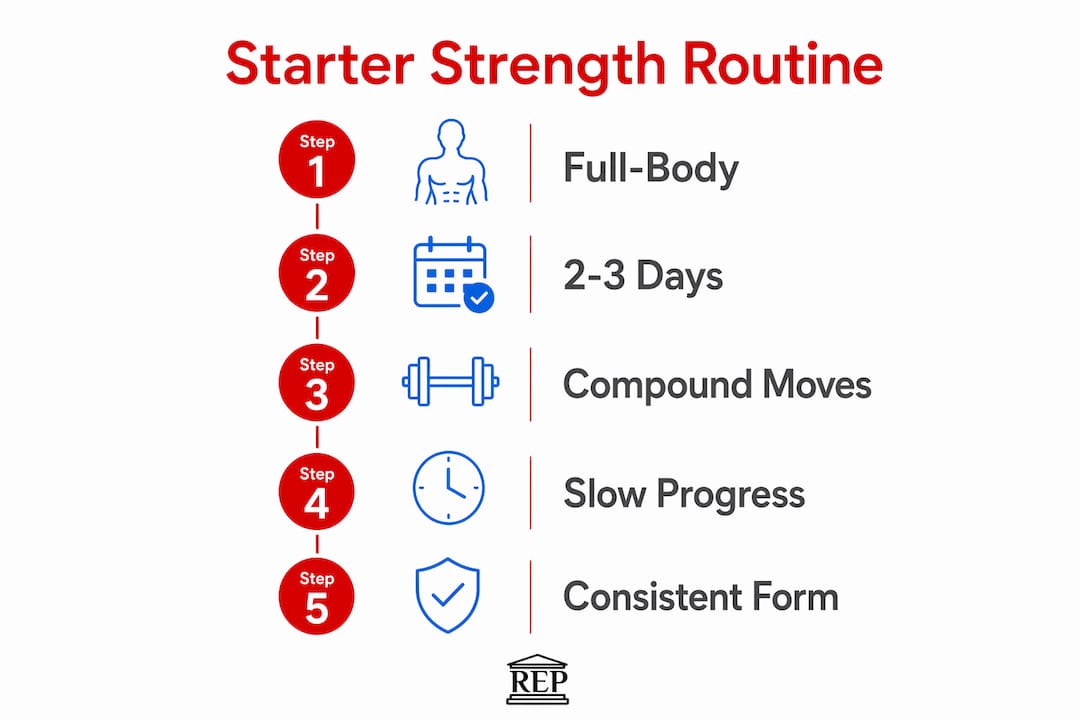
For each session, aim for 2–3 sets of 10–12 reps per exercise. That volume is enough to develop technique without overloading your joints or nervous system. Rest 60–90 seconds between sets. Warm up for 5 minutes with light movement like jumping jacks, leg swings, or a brisk walk before lifting, and cool down with 5 minutes of gentle stretching afterward.
Here is a sample weekly plan to kick things off:
- Monday: Full-body workout. Bodyweight squat, push-up, glute bridge, dumbbell row, plank hold.
- Wednesday: Full-body workout. Reverse lunge, shoulder press, Romanian deadlift, resistance band pull-apart, dead bug.
- Friday: Full-body workout. Repeat Monday's session with a focus on improving form and control.
- Tuesday, Thursday, Saturday, Sunday: Active rest. Walk, stretch, or do light mobility work.
Progression happens slowly and deliberately. Add one or two reps per set each week before increasing resistance. Repeating the same 5–6 foundational exercises for the first 4–8 weeks builds the neuromuscular patterns you need to safely increase load later. Variety too early compromises technique and slows progress.
Pro Tip: Consistency and technique outweigh lifting heavy from day one. Showing up three times a week with good form will produce better results than grinding through heavy sessions with poor movement.
Bodyweight vs. weights: which is better for beginners?
Absolute beginners benefit most by starting with bodyweight-only movements to prioritize form and reduce injury risk. Bodyweight training is as effective as weighted training for early muscle and tissue adaptation. Your muscles do not know the difference between a barbell and your own body weight. What they respond to is tension, effort, and progressive challenge.
Bodyweight training improves posture, coordination, metabolism, and lean muscle development as effectively as weight training in the early stages. It also reduces the chance of injury by removing complex equipment from the equation while you are still learning to move well.
Here is a clear look at both approaches:
Bodyweight Training
- No equipment needed, low barrier to entry
- Teaches body control and movement awareness
- Reduces injury risk for complete beginners
- Can feel limiting once strength improves
- Progressions require creativity (elevating feet, slowing tempo, single-leg variations)
Free Weights and Resistance Bands
- Allow precise load increases as you get stronger
- Build greater long-term strength potential
- Require technique knowledge to use safely
- Best introduced after 4–8 weeks of bodyweight practice
The smartest path is to treat bodyweight training as your foundation, then layer in resistance bands or light dumbbells once your form is solid. Rushing to the weight rack before your movement patterns are grooved is the most common mistake new trainees make. If you are also considering how to introduce strength work to younger athletes, the same principle applies. You can read more about safe weight training progressions for a deeper look at age-appropriate loading.
What mistakes do beginners make in strength training?
The most damaging mistake beginners make is prioritizing load over technique. Spending the first 4–8 weeks focused strictly on technique acquisition helps avoid joint stress and sets a solid foundation for everything that follows. Skipping this phase is the fastest route to injury and frustration.
A second major mistake is measuring progress only by how much weight is on the bar. A more accurate signal of a productive session is when your final reps slow involuntarily due to controlled fatigue, not because you loaded too much. Effective sessions are defined by reaching that controlled slowing near set end, not by hitting a specific heavy weight. Beginners often overestimate their capacity and underestimate how much growth happens at moderate loads.
Other common mistakes include:
- Skipping warm-ups and jumping straight into working sets
- Ignoring rest and recovery between training days
- Changing exercises too frequently before mastering the basics
- Comparing progress to more experienced lifters
Experts recommend ignoring appearance goals initially and focusing solely on learning proper technique for foundational exercises. That mindset shift is what separates beginners who stick with it from those who quit after six weeks. Tracking reps, sets, and form quality in a simple notebook or app gives you a real picture of progress that goes beyond the number on a weight plate.
Pro Tip: Repeating the same 5–6 basic exercises for your first several weeks builds better motor patterns than constantly switching things up. Mastery of simple movements is the real foundation of long-term strength.
If you are unsure whether you need professional guidance to get started, check out these signs you need a trainer to help you decide.
Key takeaways
Beginner-friendly strength training works because it builds technique, consistency, and movement quality before adding load, which is the only sequence that produces safe, lasting strength gains.
| Point | Details |
|---|---|
| Start with bodyweight | Bodyweight training builds technique and reduces injury risk before adding resistance. |
| Train 2–3 days per week | Full-body sessions three times weekly allow recovery and habit formation without burnout. |
| Repeat the same exercises | Sticking to 5–6 foundational movements for 4–8 weeks builds the motor patterns needed to progress safely. |
| Measure effort, not load | A good session ends when final reps slow from controlled fatigue, not from lifting the heaviest weight possible. |
| Ignore appearance goals early | Focusing on technique before aesthetics is the expert-backed path to long-term success. |
What i've learned working with beginners every week
Every week, I work with people who walk in convinced they need to start heavy to see results. They have watched videos of athletes lifting twice their body weight and assumed that is where strength training begins. It is not. The most transformative thing I do as a coach is slow people down in those first few weeks and redirect their focus from the weight on the bar to the quality of every single rep.
What I have seen consistently is this: the beginners who commit to mastering the basics, squats, hinges, pushes, pulls, and core work, before chasing heavier loads are the ones still training six months later. The ones who rush that process often hit a wall, whether through injury, frustration, or plateaus they cannot explain.
The mindset shift that matters most is moving from "how much can I lift?" to "how well can I move?" That question changes everything. It turns a workout from a performance into a practice. And practice, done consistently, is what builds a body that is genuinely STRONG and RESILIENT over time.
Feeling overwhelmed at the start is completely normal. That is not a sign you are doing it wrong. It is a sign you are learning. Give yourself permission to be a beginner. The progress will come, and it will feel earned.
— Coach Justin
Ready to build strength the right way?
Starting a strength training program on your own can feel like a lot to figure out. Repphilosophy makes it straightforward with personalized coaching designed specifically for beginners in 4S Ranch and beyond.
Whether you prefer working one-on-one with a coach or following structured workouts on your own schedule, Repphilosophy has a solution that fits your life. From in-person sessions to on-demand video workouts, every program is built around the same principles in this article: proper form, gradual progression, and real results. Explore the full range of coaching programs and find the option that gets you moving today.
FAQ
What is beginner-friendly strength training?
Beginner-friendly strength training is a structured exercise approach that uses foundational compound movements, bodyweight or light resistance, and gradual progression to build strength safely. It prioritizes technique and consistency over heavy loads from the start.
How many days a week should a beginner strength train?
Two to three full-body workouts per week is the recommended frequency for beginners. This allows enough recovery between sessions while building a consistent training habit.
Should beginners use weights or start with bodyweight exercises?
Beginners should start with bodyweight exercises to develop movement quality and reduce injury risk. Bodyweight training is as effective as weighted training for early muscle adaptation, and free weights can be introduced after 4–8 weeks of solid technique work.
What are the best exercises for beginner strength training?
The best beginner strength exercises cover five movement patterns: squats, hip hinges (glute bridges, Romanian deadlifts), pushes (push-ups, shoulder press), pulls (rows), and core stability (planks, dead bugs). These compound movements build balanced, functional strength across the whole body.
How do i know if i am progressing in beginner strength training?
Progress shows up when your final reps slow from controlled fatigue rather than from lifting too heavy. Tracking your reps, sets, and form quality each session gives you a clearer picture of improvement than focusing only on the weight you are lifting.
Recommended
- 4S Ranch/Del Sur/Poway Personal Trainer | 1-on-1 & Tailored Fitness | REP Philosophy Coaching
- How to Introduce Weight Training to Teenagers Safely
- Online Personal Trainers Video Library | Structured Workouts On-Demand | REP Philosophy Coaching
- Online Personal Trainers Video Library | Structured Workouts On-Demand | REP Philosophy Coaching