
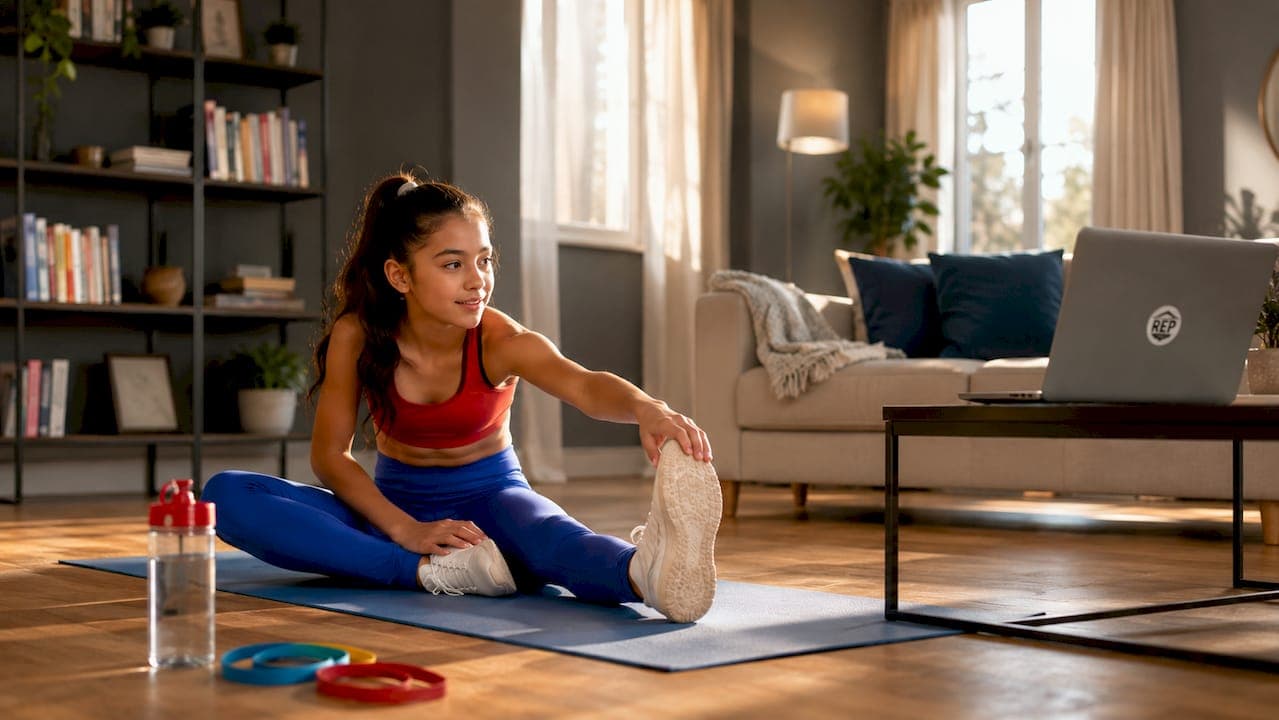
Virtual personal training for teens is a tailored fitness coaching service delivered online that helps teenagers build strength, confidence, and healthy habits safely from home. Known in the fitness industry as remote youth coaching or online youth personal training, this model combines personalized programming with live or recorded video sessions. Platforms like Zoom, coaching apps, and wearable devices like Apple Watch and Garmin make the experience feel personal and connected. If you are a parent researching virtual personal training for teens explained in plain language, this guide covers everything you need to make a confident decision for your child.
How does virtual personal training for teens work?
Virtual personal training for teens follows a clear, structured process from day one. It starts with an initial consultation, typically 30–60 minutes, covering your teen's medical history, movement patterns, and fitness goals. From there, the coach builds a personalized program and kicks off regular sessions.
Sessions can run in two formats:
- Live coaching: Your teen and the coach connect via Zoom or a similar video platform in real time. The coach watches movement, corrects form, and provides immediate feedback.
- Asynchronous coaching: Your teen records their workout and uploads the video. The coach reviews it and sends detailed feedback, which works well for busy schedules.
Sessions range 20–60 minutes, with group classes running around $20 per session as of june 2026. That price point makes teen fitness coaching online far more accessible than traditional in-person training packages.
Technology plays a big role in keeping things personal. Wearables like Apple Watch and Garmin sync heart rate, sleep, and recovery data directly with the coach. That data lets the coach adjust intensity between sessions rather than guessing. Advanced platforms also integrate smart scale data alongside video feedback for nutrition adjustments.
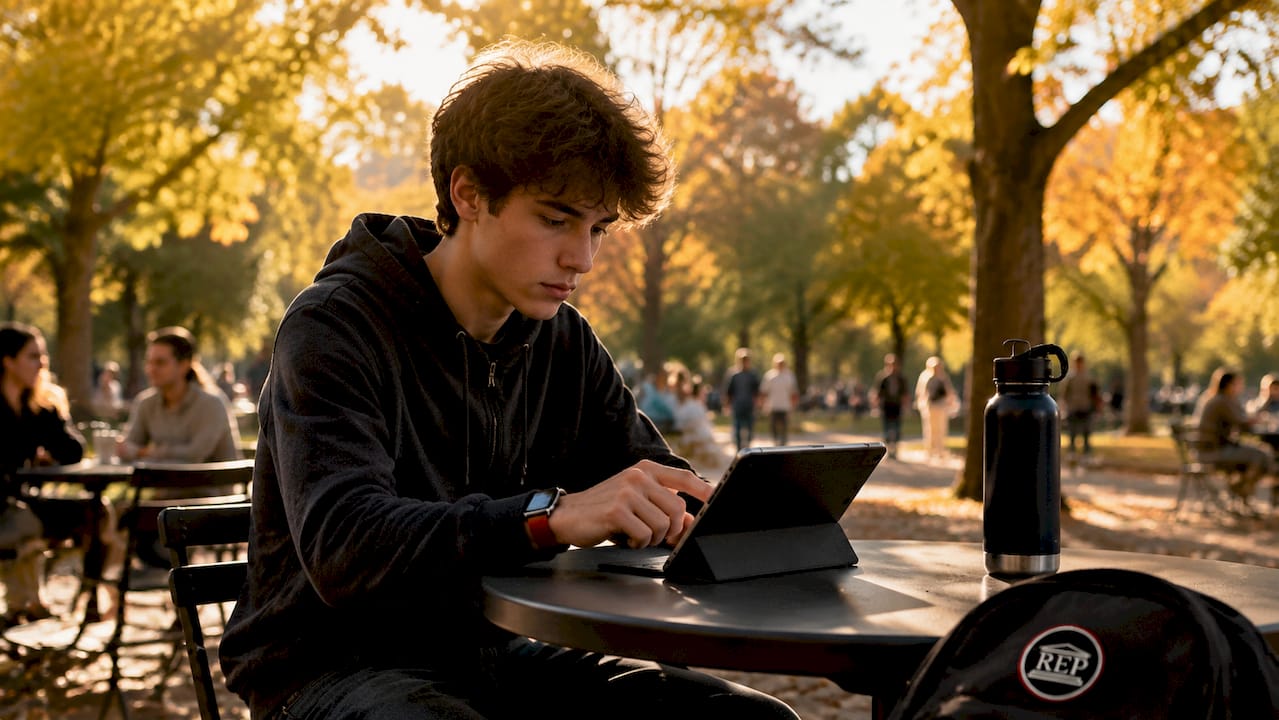
Pro Tip: Ask any prospective coach whether they review wearable data between sessions. Coaches who do make far more precise program adjustments than those who rely on session notes alone.
What are the key benefits of virtual training for teenagers?
The benefits of online training for teens go well beyond convenience. They touch on safety, mental health, and the kind of long-term habits that stick.
"Top youth programs focus more on movement literacy and confidence building rather than purely aesthetic or strength goals, easing teens' initial fear of exercising in front of others." — Energetic Juniors
That focus matters. When a teenager learns how to move well before chasing heavy weights, they build a foundation that protects them from injury for years. Here is what the research shows about the specific advantages:
- Injury prevention through form coaching: A qualified coach watches every rep and corrects technique in real time, which generic fitness apps cannot do.
- Mental health benefits: Structured physical activity gives teens a reliable outlet for stress, anxiety, and the emotional weight of school and social life.
- Reduced exercise anxiety: Virtual training creates a private environment free from peer judgment, which is one of the biggest barriers keeping teens out of gyms.
- Higher adherence than generic apps: Personalized attention from a real coach creates accountability that pre-recorded content simply cannot replicate.
- Movement literacy: Teens learn body mechanics, not just exercises. That knowledge transfers to sports, daily life, and future training.
Virtual workouts for adolescents also build ownership. When your teen trains in their own space on their own schedule, fitness starts to feel like their choice rather than a chore. That psychological shift is one of the most underrated outcomes of remote personal training for youth.
How does virtual training compare to in-person training for teens?
Parents often ask whether online exercise for teenagers can really match what happens in a gym. The honest answer is: it depends on execution.
| Factor | Virtual training | In-person training |
|---|---|---|
| Accessibility | Train from any location with Wi-Fi | Requires travel to a facility |
| Cost | Lower per session, especially group formats | Higher due to facility and overhead costs |
| Scheduling | Flexible, fits school and sports calendars | Fixed time slots at the trainer's location |
| Form correction | Real-time via video; asynchronous review | Hands-on, immediate physical correction |
| Equipment | Bodyweight, bands, or basic dumbbells at home | Full gym equipment available |
| Social environment | Private, low-pressure setting | Gym environment, which some teens find intimidating |
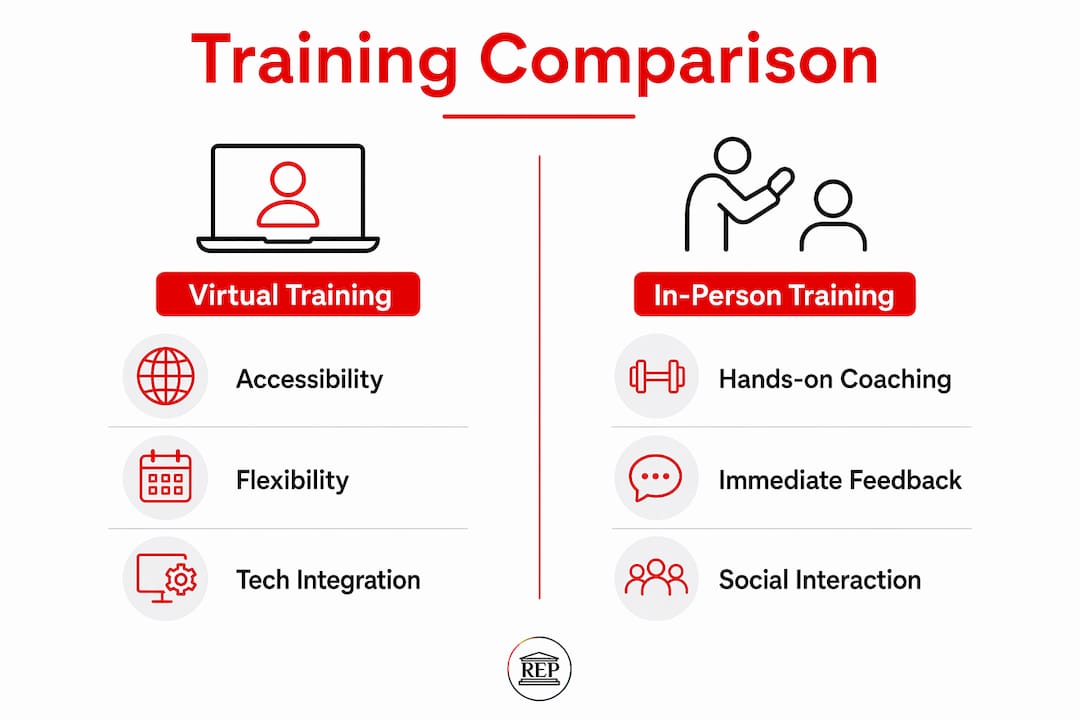
Virtual training can match the gains of in-person training when the coach actively reviews work and adjusts programming consistently. Accountability and personalized programming drive results, not the physical location. That said, beginner teens who have never trained before may benefit from a few in-person sessions first to establish baseline movement patterns before going fully remote.
The technology gap is closing fast. Coaches who integrate wearable data, video review tools, and weekly check-in calls can deliver a genuinely personalized experience. The main limitation is that a virtual coach cannot physically guide a movement, which matters most for complex lifts like barbell squats or Olympic movements.
Pro Tip: If your teen is brand new to training, consider starting with two or three in-person sessions to build foundational movement skills. Then transition to virtual coaching for the ongoing program. This hybrid approach gets the best of both formats.
How to choose a safe, effective virtual trainer for your teen
Choosing the right coach is the single most important decision in this process. Credentials matter, but they are not the whole picture.
- Prioritize connection over certifications. Trainer understanding of teen psychology often determines success more than any certification. A coach who can motivate and relate to a 15-year-old will produce better results than a highly credentialed coach who treats teens like small adults.
- Ask about their injury prevention approach. A good coach will explain how they scale intensity, when they pull back, and how they handle pain or discomfort reported during sessions.
- Look for teen-specific experience. Coaches who specialize in youth fitness training understand growth plates, hormonal development, and the emotional landscape of adolescence.
- Assess their communication style. Ask for a trial session or consultation call. Watch how the coach talks to your teen directly. Do they listen? Do they explain things clearly?
- Check their programming philosophy. Programs built around movement literacy, progressive overload, and recovery are far safer than programs chasing fast aesthetic results.
Your role as a parent is to handle logistics and encouragement, not to micromanage sessions. Set up the space, make sure the Wi-Fi is reliable, and let the coach do their job. Teens respond better when parents show interest without hovering.
What to expect from a structured virtual fitness program for teens
Virtual fitness programs for teens range widely in scope and intensity. Understanding what is available helps you match the right program to your teen's current level and goals.
Programs generally fall into two categories:
- Wellness-focused programs: Designed for teens ages 10 and up who are new to structured exercise. These focus on movement basics, body awareness, and building consistent habits through short instructional blocks.
- Athletic performance programs: Built for teen athletes ages 9 and up who compete in sports. Elite packages include 12-month periodized systems with nutritional guidance layered in alongside strength and conditioning work.
Progress tracking is built into well-run programs. Coaches use apps for daily logging, weekly video reviews, and micro-adjustments to keep your teen moving forward without burning out. Virtual trainers serve as accountability partners who scale training intensity carefully to avoid overtraining.
Setting up a home training space does not require a big investment. Success depends more on a consistent, owned space than on expensive equipment. A clear area of floor, a set of resistance bands, and a pair of light dumbbells cover the vast majority of teen programming needs. The psychological aspect matters just as much. When your teen has a dedicated spot that feels like their training space, they show up more consistently.
Balancing training with school, sports, and social life is real. Most programs schedule two to three sessions per week, each lasting 30–45 minutes. That frequency builds results without crowding out the rest of your teen's life.
Key takeaways
Virtual personal training for teens works best when it combines personalized programming, consistent video coaching, and a private home environment that removes the social pressure teens face in public gyms.
| Point | Details |
|---|---|
| Start with a full consultation | The first session should assess movement, health history, and goals before any programming begins. |
| Prioritize coach-teen connection | A trainer who understands teen psychology drives better adherence than credentials alone. |
| Use wearable data for precision | Apple Watch or Garmin integration lets coaches adjust intensity between sessions with real information. |
| Create a dedicated home space | A consistent training area builds the psychological ownership that keeps teens showing up. |
| Match program type to your teen's level | Wellness programs suit beginners; periodized athletic programs serve competitive teen athletes. |
What I have seen working with teens in virtual coaching
From my experience coaching teens at Repphilosophy, the biggest shift I have seen is in confidence, not just fitness. When a teenager trains privately, without worrying about who is watching, they take more risks. They try the harder variation. They ask questions they would never ask in a group setting. That freedom is where real growth happens.
I have also noticed that parents who stay curious but hands-off get the best outcomes. Your teen needs to feel like this is their program, not something you signed them up for. The moment they take ownership, the results accelerate. That is not a coaching trick. It is just how teenagers work.
The one thing I would push back on is the idea that virtual coaching is a lesser version of in-person training. When a coach is genuinely invested, reviews footage, adjusts the program weekly, and builds a real relationship with the teen, the format becomes almost irrelevant. What matters is the quality of attention your teen receives. Virtual coaching, done right, delivers exactly that.
— Coach Justin
Ready to start your teen's virtual training with Repphilosophy?
At Repphilosophy, teen fitness is not an afterthought. It is a core part of what we do. Whether your teen is just getting started or is a competitive athlete looking to take their performance to the next level, we have a program built for them.

Repphilosophy offers tailored virtual coaching memberships with structured on-demand workouts and live coaching options designed specifically for young athletes and teens building their fitness foundation. For families looking for a more specialized athletic development path, our youth sports performance program at 4S Ranch delivers exactly that, with virtual options available. Ready to set the wheels in motion? Explore our full range of teen coaching programs and find the right fit for your family today.
FAQ
What age is appropriate for virtual personal training?
Most virtual teen programs accept clients starting at age 9–10, with programming adjusted to match developmental stage. Wellness-focused programs suit younger teens, while periodized athletic programs work well for teens 13 and older.
How many sessions per week does a teen need?
Two to three sessions per week is the standard recommendation for teen virtual training. That frequency builds consistent progress without interfering with school, sports, or recovery.
What equipment does my teen need at home?
A clear floor space, resistance bands, and light dumbbells cover the needs of most teen programs. A dedicated, consistent space matters more than the amount of equipment available.
Is virtual training safe for teenagers?
Virtual training is safe when the coach specializes in youth fitness and actively monitors form through video. Coaches trained in teen development know how to scale intensity and protect growth plates during programming.
How do I know if a virtual trainer is right for my teen?
Request a trial session or introductory call and watch how the coach engages directly with your teen. Connection and motivation are stronger predictors of success than certifications alone.