
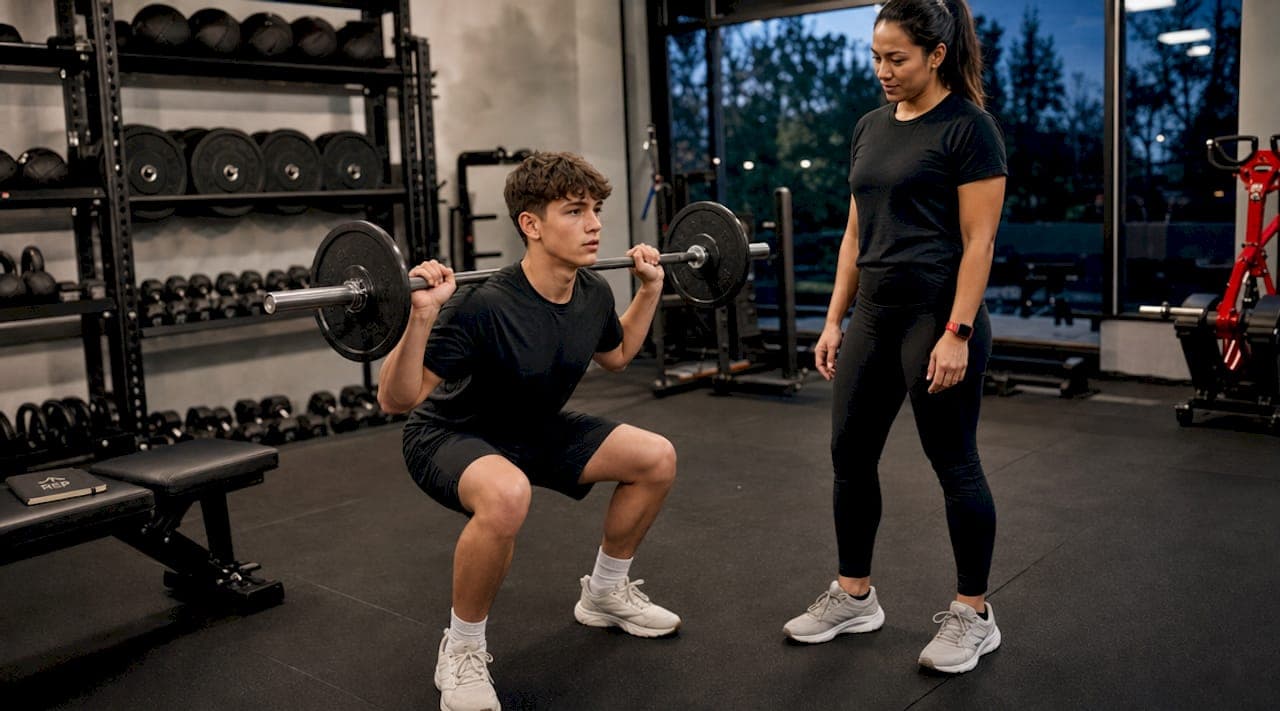
Teen fitness program best practices are defined as age-appropriate, supervised routines that balance strength training, cardiovascular activity, mobility work, and recovery to support safe adolescent development. The American College of Sports Medicine and youth fitness specialists agree that the goal is not rapid physique change but building physical literacy and lifelong movement habits. A well-designed program protects growing bodies, sharpens athletic performance, and keeps teens genuinely motivated. If your teenager is ready to train seriously, these research-backed guidelines will help you choose and evaluate any program with confidence.
1. Core elements of an effective teen fitness program
The most effective youth fitness programs share four non-negotiable pillars: strength training, cardiovascular conditioning, mobility work, and structured recovery. Leave any one out and the program becomes unbalanced, raising injury risk and limiting long-term progress. Think of these pillars as the four legs of a table. Remove one and the whole structure wobbles.
Teens aged 14 to 17 should aim for 60 minutes of daily moderate-to-vigorous activity, including muscle-strengthening exercises at least three days per week. That guideline sets the floor, not the ceiling. A well-coached teen can train more frequently when intensity is managed properly.
Key components every program should include:
- Strength training: Full-body sessions three times per week to build neuromuscular coordination before adding significant load
- Cardiovascular fitness: Daily aerobic activity through sports, running, cycling, or play-based movement
- Mobility and flexibility: Dynamic warm-ups before every session and static stretching during cool-downs
- Recovery: Scheduled rest days, light weeks every four to six weeks, and consistent sleep
Pro Tip: When evaluating a program for your teen, ask the coach how they progress load over time. A vague answer is a red flag. A good coach will describe specific benchmarks, like mastering 15 clean reps before adding weight.
2. How to structure strength training for teens safely
Strength training is one of the most researched and misunderstood areas of teen fitness. The science is clear: measurable strength gains in youth typically appear after 8 to 12 weeks, with progression moving from large to small muscle groups and conservative load increases. That timeline matters because it tells you not to rush.
Here is how a safe, effective teen strength program should be structured:
- Frequency: Two to four sessions per week, each lasting 45 to 60 minutes. Longer sessions increase fatigue and reduce movement quality.
- Technique first: Core stability under bodyweight must be established before any external loading begins. This is non-negotiable.
- Progressive overload: Increase load by 5 to 10% only after your teen can perform 15 perfect repetitions. Rushing this step is the single most common cause of overuse injuries.
- Exercise selection: Prioritize goblet squats, Romanian deadlifts, push-ups, rows, and hip hinges. Avoid back squats and Olympic lifts until movement patterns are deeply ingrained and a qualified coach approves.
- Rest between sessions: At least 48 hours of rest between hard lower-body sessions prevents overuse injuries. This is especially true during growth spurts.
- Warm-up protocol: Every session should open with 15 to 20 minutes of dynamic warm-up and mobility work to prime the nervous system and reduce injury risk.
- Qualified supervision: A certified youth fitness coach is not optional. Technique errors compound over time and become very difficult to correct later.
"The goal of teen strength training is not to build a bigger body. It is to build a more capable one." Prioritize movement quality over every other metric and the results will follow naturally.
Pro Tip: If your teen's program skips the warm-up to save time, that is a sign the coach is prioritizing efficiency over safety. A proper dynamic warm-up of 3 to 5 minutes of light cardio plus mobility drills is the cheapest injury insurance available.
3. Cardio and mobility activities that complement teen strength training

Cardiovascular fitness and mobility are not accessories to a teen strength program. They are the foundation that makes strength training sustainable. A teen who is stiff and winded will compensate during lifts, and compensation patterns lead directly to injury.
Cardio options that work well for teens include:
- Moderate-intensity steady-state: Jogging, cycling, swimming, or recreational sports for 30 to 45 minutes
- High-intensity interval training (HIIT): Short bursts of effort followed by rest, two sessions per week maximum to avoid overtraining
- Sport participation: Basketball, soccer, tennis, and similar activities count toward the 60-minute daily recommendation and keep training enjoyable
- Play-based movement: Hiking, pickup games, and active recreation build aerobic capacity without the psychological weight of structured training
Mobility work deserves equal attention. Dynamic warm-ups targeting the hips, thoracic spine, ankles, and shoulders prepare the body for loaded movement. Cool-down routines using static stretches held for 20 to 30 seconds support recovery and reduce next-day soreness. A nightly five-minute mobility routine, targeting whatever feels tight, compounds into significant flexibility gains over a training cycle.
Variety is the most underrated tool for teen adherence. Teens who do the same cardio session every week burn out faster than those whose programs rotate activities. Build in options and let your teen have input on what they enjoy.
4. Recovery, nutrition, and rest in teen fitness success
Recovery is where adaptation actually happens. Training creates the stimulus. Sleep, nutrition, and rest days create the result. Skipping recovery is like planting seeds and never watering them.
Teens need 8 to 10 hours of quality sleep every night to support growth and training adaptation. That number is not a suggestion. Sleep is when growth hormone peaks, muscle tissue repairs, and motor patterns consolidate. A teen sleeping six hours is operating at a significant physiological deficit regardless of how well they train.
Nutrition for teenage athletes follows these core principles:
- Protein: 1.2 to 1.8 grams per kilogram of body weight daily from whole food sources like chicken, eggs, Greek yogurt, and legumes
- Carbohydrates: Prioritize carbs around workouts for energy and recovery, using whole grains, fruit, and starchy vegetables
- Hydration: Water before, during, and after every session. Dehydration reduces strength output and increases injury risk
- Supplements: Avoid anabolic steroids and stimulant-heavy products entirely. Any supplementation should be cleared with a pediatrician first
- Meal timing: A balanced meal or snack within 60 minutes post-workout accelerates muscle repair
One point that does not get enough attention is the messaging around body image. Programs that frame fitness as weight loss or appearance change create unhealthy relationships with exercise in teens. The focus should always be on performance, energy, and feeling capable. That framing builds lifelong fitness habits rather than short-term compliance.
5. Adapting programs to teen development, goals, and interests
No two teenagers are at the same developmental stage, even if they are the same age. Biological age, not chronological age, determines how a program should be scaled. A 15-year-old in the middle of a growth spurt has different needs than a 15-year-old who finished growing two years ago.
Growth spurts temporarily reduce coordination and mobility, which means a teen who was moving well six months ago may suddenly look awkward under load. The right response is to reduce intensity, focus on movement pattern quality, and add flexibility work. This is not regression. It is smart programming.
Here is how to think about program customization based on goals:
| Teen Profile | Program Focus |
|---|---|
| General health and fitness | Full-body strength 3x per week, daily cardio, mobility work |
| Sport-specific athlete | Sport-specific training plus general strength base |
| Post-injury or deconditioned | Technique-only phase, bodyweight movements, gradual reintroduction |
| High-motivation, advanced teen | Periodized programming with a qualified coach and structured progression |
Motivation is the variable most programs ignore. Teens who understand why they are doing an exercise stay engaged far longer than those who are just told what to do. Coaches who explain the purpose behind each movement, and who give teens some input on exercise selection, see dramatically better long-term adherence. If your teen dreads every session, the program needs to change before burnout sets in.
When you are unsure whether a program fits your teen's stage and goals, choosing a qualified trainer with specific youth fitness experience is the most reliable path forward. The gradual, skill-focused progression that a good coach builds in is the single most effective way to reduce injury and burnout risk over a full training year.
Key takeaways
Effective teen fitness programs succeed because they combine technique-first strength training, daily cardiovascular activity, structured recovery, and nutrition tailored to adolescent growth stages.
| Point | Details |
|---|---|
| Technique before load | Master bodyweight movement and core stability before adding any external weight. |
| Full-body training frequency | Three sessions per week outperforms split routines for teen neuromuscular development. |
| Sleep is non-negotiable | Teens need 8 to 10 hours nightly for growth, repair, and motor pattern consolidation. |
| Protein and hydration | Target 1.2 to 1.8g protein per kilogram of body weight daily, with water at every session. |
| Adapt to growth stages | Scale intensity down during growth spurts and prioritize mobility over load increases. |
What I've learned coaching teens that most programs get wrong
I have worked with teenagers at Repphilosophy long enough to see a clear pattern. The programs that fail are almost always the ones that treat teens like small adults. They load them too fast, skip the warm-up, and measure success by how much weight went on the bar. The teens who thrive are the ones whose programs treat movement quality as the primary metric.
The thing parents often underestimate is how much autonomy matters to a teenager's motivation. When I give a teen two or three exercise options and let them choose, their effort level in that session goes up noticeably. They are not just going through the motions. They are invested. That investment is what turns a 12-week program into a lifelong habit.
I also want to address the supplement question directly, because I get it from parents regularly. The answer is almost always no. A teenager eating real food, sleeping well, and training consistently will outperform a teenager relying on protein powders and pre-workouts every single time. The fundamentals are not boring. They are just underrated.
The most common mistake I see from well-meaning parents is pushing for results too quickly. I understand the impulse. You want your kid to succeed. But patience in teen training is not passive. It is the strategy. A teen who builds a proper foundation in their first year of training will be far ahead of one who rushed and spent three months recovering from an overuse injury.
— Coach Justin
Ready to build your teen's fitness foundation the right way?
At Repphilosophy, we specialize in youth sports performance training that is safe, supervised, and genuinely fun for teens. Our programs at the WayALife Athletics performance center in 4S Ranch are built around the exact best practices covered in this article: technique-first progression, balanced programming, and coaches who know how to keep teenagers engaged and motivated.

Whether your teen is a competitive athlete or just getting started, we have options that fit your schedule and budget, including group classes, buddy training memberships, and virtual coaching. Every program is designed to build real results without cutting corners on safety. Explore our teen training programs and take the first step toward giving your teenager a fitness foundation that lasts.
FAQ
What age can teens start strength training?
Teens can begin structured strength training as early as 12 to 13 years old with qualified supervision and a technique-first approach. The focus at this stage should be bodyweight movements and core stability, not loaded lifts.
How many days per week should a teen work out?
Three to four days per week of structured training is the recommended range for most teens, with at least one full rest day between hard sessions. Sessions of 45 to 60 minutes are sufficient. Longer is not better.
Are supplements safe for teenage athletes?
Most supplements are unnecessary and some carry real risks for developing bodies. Teens should prioritize whole food nutrition and avoid stimulant-heavy products entirely. Any supplementation should be reviewed by a pediatrician before use.
How do I know if a teen fitness program is safe?
A safe program includes qualified adult supervision, a technique-first progression model, dynamic warm-ups before every session, and built-in rest days. If a program skips warm-ups or increases load without mastery benchmarks, look elsewhere.
How does sport-specific training differ from general teen fitness?
General teen fitness builds a broad physical foundation through full-body strength, cardio, and mobility. Sport-specific training layers movement patterns, energy systems, and strength qualities directly relevant to a teen's chosen sport on top of that foundation.