
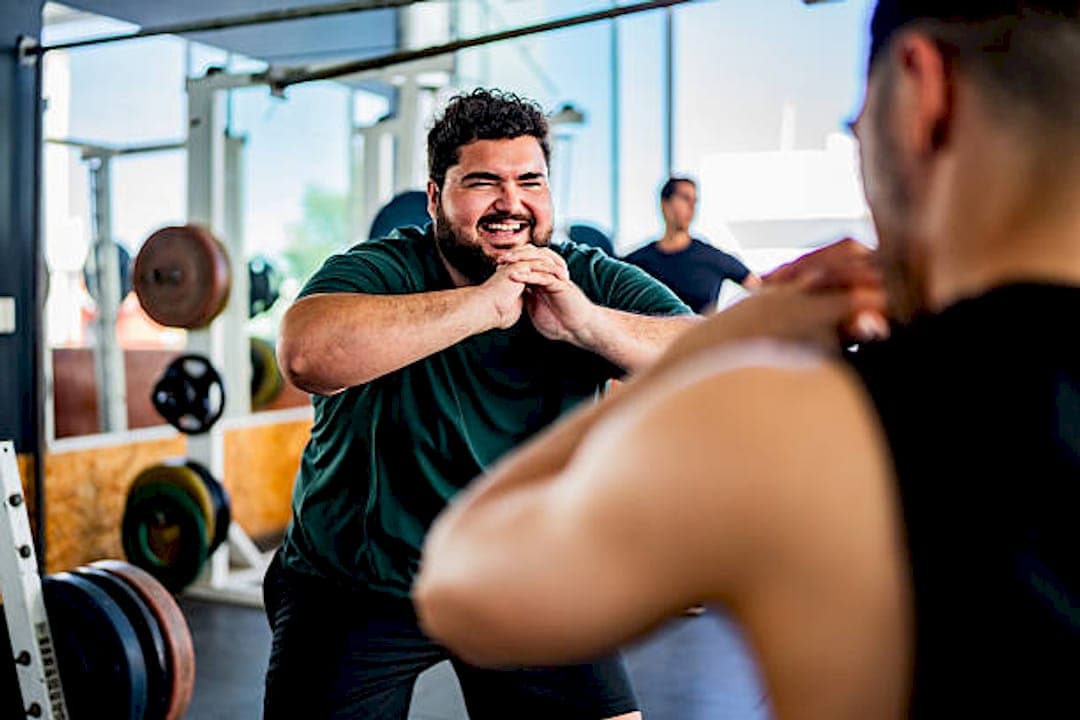
Personal training for overweight adults is a proven method to accelerate fat loss, preserve muscle mass, improve cardiometabolic health, and build the consistency that self-directed exercise rarely delivers. The industry term for this approach is supervised exercise programming, and it sits at the intersection of behavioral coaching and evidence-based fitness science. Whether you’re just getting started or you’ve tried and stalled before, understanding the specific advantages of fitness coaching for adults with higher body weight can change how you approach your health entirely.
1. Benefits of personal training overweight adults: the core case
The single most important thing a personal trainer does for an overweight client is remove guesswork. Combined diet and exercise programs with supervised resistance training improve weight, BMI, waist circumference, and cardiometabolic fitness more than diet or exercise alone. That finding comes from an overview of 32 systematic reviews, and it means that what you do in the gym matters as much as what you eat at the table.
Supervised programs lasting 6 to 12 months with frequent trainer contact produce the most durable results. This is not about showing up twice and hoping for the best. It’s about building a structure that compounds over time, with a coach who adjusts your load, corrects your form, and keeps you honest.
2. How structured programs improve weight loss outcomes
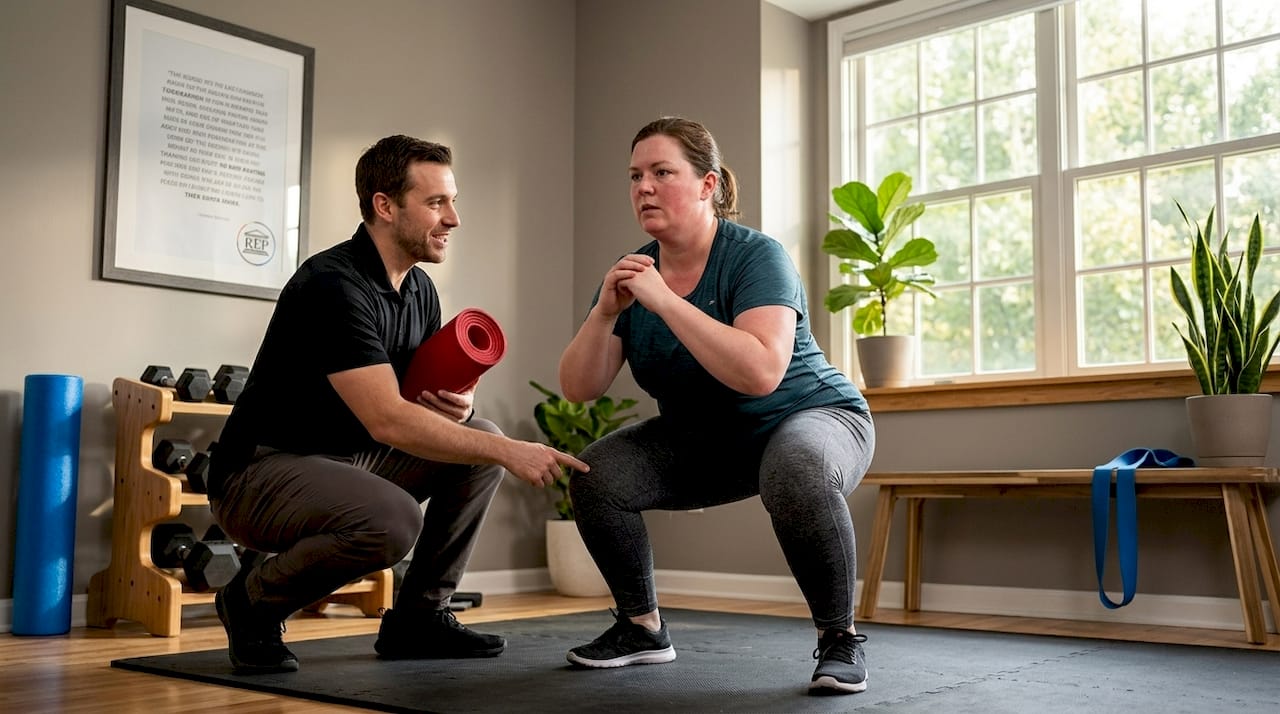
Structured personal training outperforms self-directed effort because it controls the variables that most people get wrong: intensity, progression, and recovery. A trainer designs your sessions around your current fitness level, not a generic template from a fitness app.
Aerobic exercise combined with a low-calorie diet significantly improves serum glucose, insulin, triglycerides, HDL cholesterol, and blood pressure compared to diet alone. That’s a meta-analysis of 97 randomized studies. The practical implication is clear: cardio-focused sessions supervised by a trainer deliver measurable metabolic change, not just calorie burn.
Here’s what a well-designed personal training program for an overweight adult typically includes:
-
Progressive overload adjusted weekly to match your improving capacity
-
Aerobic sessions (cycling, walking, rowing) targeting 150 to 300 minutes per week as recommended by NIDDK
-
Resistance training two or more days per week to preserve lean muscle during fat loss
-
Form coaching to reduce injury risk, especially on joints carrying extra load
-
Regular check-ins to track progress and adjust the plan
Pro Tip: Start with 10 to 15 minutes of brisk walking plus light strengthening, then build gradually toward 150 minutes of moderate aerobic activity per week. This approach matches NIDDK guidelines and protects your joints while your fitness base develops.
3. Key health benefits beyond the scale
Weight loss is the headline, but the overweight adult training benefits that matter most for long-term health go much deeper. Regular supervised exercise reshapes your body’s internal chemistry in ways that reduce your risk of type 2 diabetes, heart disease, and hypertension.
The CDC confirms that regular physical activity delivers stronger muscles and bones, improved mental health, and reduced chronic disease risk. These benefits appear before the scale moves significantly, which is why a good trainer measures more than your weight.
| Exercise type | Primary benefit | Secondary benefit |
|---|---|---|
| Aerobic (cycling, walking) | Improved glucose, triglycerides, blood pressure | Fat mass reduction |
| Resistance training | Muscle preservation, joint stability | Improved resting metabolism |
| Combined aerobic + resistance | Broadest cardiometabolic improvement | Functional strength and endurance |
Aerobic exercise drives cardiometabolic improvements most directly, while resistance training protects muscle and joint health. A balanced program addresses both, which is exactly what a skilled trainer builds for you. Mental health gains are equally real: supervised activity reduces anxiety, improves sleep quality, and builds the kind of confidence that keeps you coming back.
4. How personal training builds long-term motivation
Motivation is not a personality trait. It’s a system. And personal trainers build that system for you through accountability, progress tracking, and genuine human connection.
Weight-loss coaching leads to substantially greater weight and fat loss than self-directed approaches, with some trials reporting up to 10 times more weight loss and 17 times more fat loss. That gap exists because a coach removes the decision fatigue that derails solo exercisers. You don’t have to figure out what to do today. You just show up.
Here’s how trainers keep you engaged over the long haul:
-
Goal setting that starts small and scales with your progress
-
Milestone celebrations that reinforce positive behavior
-
Technique feedback that builds competence and reduces fear of injury
-
Schedule accountability so missed sessions get rescheduled, not abandoned
-
Honest conversations about what’s working and what needs to change
Pro Tip: Tell your trainer about your schedule, your stress levels, and your history with exercise. The more context they have, the better they can find a training approach that fits your real life, not an idealized version of it.
The CDC notes that while calorie reduction causes most initial weight loss, regular physical activity is what maintains it. A trainer keeps you active through the months when motivation naturally dips, turning consistency into a habit rather than a willpower battle.
5. Choosing the right personal training approach
Not every training format works for every person. The right choice depends on your budget, your schedule, your comfort level, and your specific health needs. Knowing your options makes the decision much easier.
One-on-one training delivers the highest level of personalization. Your trainer watches every rep, adjusts every set, and builds a program around your exact body and goals. It’s the gold standard for overweight adults with joint issues, comorbidities like hypertension or pre-diabetes, or no prior exercise experience.
Group training costs less and adds a social element that many people find motivating. Repphilosophy offers group classes and bring-a-buddy memberships that make coached exercise more accessible without sacrificing structure. You still get expert guidance. You just share the session with others who are working toward similar goals.
Virtual personal training removes the geographic barrier entirely. Repphilosophy’s virtual coaching memberships deliver structured, on-demand workouts with personalized programming you can follow from home. For adults who feel self-conscious in a gym setting, this option is genuinely life-changing.
When evaluating any trainer or program, ask these questions:
-
Does the trainer have experience working with overweight or deconditioned adults?
-
Does the program include both aerobic and resistance components?
-
How does the trainer track progress beyond body weight?
-
Is nutritional guidance included or available?
-
What does the program look like after the first 12 weeks?
6. Personal training vs. other fitness options
The difference between personal training and a standard gym membership is not just cost. It’s the presence of expert supervision, which changes outcomes in measurable ways.
| Option | Supervision | Program design | Accountability | Injury risk |
|---|---|---|---|---|
| Personal training | High | Fully tailored | Built-in | Low |
| Gym membership only | None | Self-directed | None | Moderate to high |
| Self-guided home workouts | None | Generic | None | Variable |
Programs with frequent check-ins and supervision enable proper intensity and technique, leading to better outcomes in weight, fat mass, glucose, lipids, and blood pressure over 6 to 12 months. A gym membership gives you access to equipment. A personal trainer gives you a plan, a coach, and a reason to keep going. For overweight adults, that distinction is the difference between progress and frustration.
Self-guided workouts carry a real injury risk when form breaks down under fatigue or when load increases too fast. A trainer catches those errors before they become setbacks. That protective function alone justifies the investment for anyone carrying extra weight on joints that are already working harder than they should be.
Key takeaways
Personal training for overweight adults delivers superior fat loss, cardiometabolic improvement, and long-term adherence compared to self-directed exercise, especially when programs combine aerobic and resistance training with consistent supervision over 6 to 12 months.
| Point | Details |
|---|---|
| Supervision drives results | Programs with frequent trainer contact improve weight, BMI, glucose, and blood pressure more than solo efforts. |
| Aerobic plus resistance wins | Combining both exercise types addresses fat loss, muscle preservation, and metabolic health simultaneously. |
| Coaching multiplies fat loss | Coached clients lose significantly more weight and fat than self-directed exercisers in head-to-head trials. |
| Start small, build steadily | Beginning with 10 to 15 minute sessions and progressing gradually protects joints and improves adherence. |
| Format flexibility matters | One-on-one, group, and virtual training each offer real benefits depending on your budget and lifestyle. |
What I’ve learned coaching overweight adults
I’ve worked with a lot of adults who came to me after years of trying on their own. They weren’t lazy. They were working without a map. The most common mistake I see is starting too hard, too fast, and burning out before the body has a chance to adapt.
The clients who make the most progress are the ones who trust the process of gradual progression. They don’t love every session. But they show up because the structure is there and someone is expecting them. That accountability is not a crutch. It’s a scaffold that eventually becomes unnecessary because the habit is built.
What I’d tell any overweight adult considering personal training is this: your body is more capable than you think, and the right program will prove that to you within weeks. You don’t need to be fit to start. You just need to start. The safety and personalization that a qualified trainer provides are especially important if you have conditions like high blood pressure or pre-diabetes. This is not a one-size-fits-all situation, and the best trainers treat it that way.
I’ve seen clients drop two pants sizes before the scale moved much. I’ve seen blood pressure normalize. I’ve seen people walk into a session defeated and leave feeling POWERFUL. That transformation starts with one decision to get structured support instead of going it alone.
— Coach Justin
Start your training with Repphilosophy
If you’re ready to put these principles into practice, Repphilosophy is built for exactly this. Based in 4S Ranch, we offer one-on-one personal training, group classes, bring-a-buddy memberships, and virtual coaching options designed to meet you where you are, financially and physically.
Every program at Repphilosophy is built around your specific goals, your current fitness level, and your life. You get expert coaching, structured workouts, and the kind of ongoing support that turns short-term effort into lasting change. Explore our coaching programs and find the option that fits your schedule and budget. Whether you train in person or from home through our virtual coaching platform, the structure and support are the same. Your first meaningful stride starts here.
FAQ
What are the main benefits of personal training for overweight adults?
Personal training delivers tailored exercise programming, expert supervision, and accountability that improve fat loss, muscle mass, blood pressure, glucose control, and mental health. Research confirms that supervised programs combining aerobic and resistance training outperform self-directed exercise across all major health markers.
How many days per week should an overweight adult train with a personal trainer?
NIDDK recommends working toward 150 to 300 minutes of moderate aerobic activity per week plus muscle strengthening on two or more days. A trainer typically structures this across two to four sessions per week, starting with shorter sessions and building gradually.
Is virtual personal training effective for overweight adults?
Virtual personal training delivers structured programming and coaching accountability without requiring gym access, making it a practical option for adults who prefer privacy or have scheduling constraints. The key is choosing a platform that includes personalized programming rather than generic workout videos.
How does personal training help with long-term weight maintenance?
The CDC states that regular physical activity is necessary to maintain weight loss after the initial reduction phase. A personal trainer builds the habits, consistency, and program adjustments needed to stay active through the months when motivation naturally fluctuates.
What should I look for when choosing a personal trainer as an overweight adult?
Prioritize trainers with experience working with deconditioned or overweight clients, programs that include both aerobic and resistance components, and a coaching style that emphasizes gradual progression and realistic goal setting. Ask specifically how they track progress beyond body weight.