
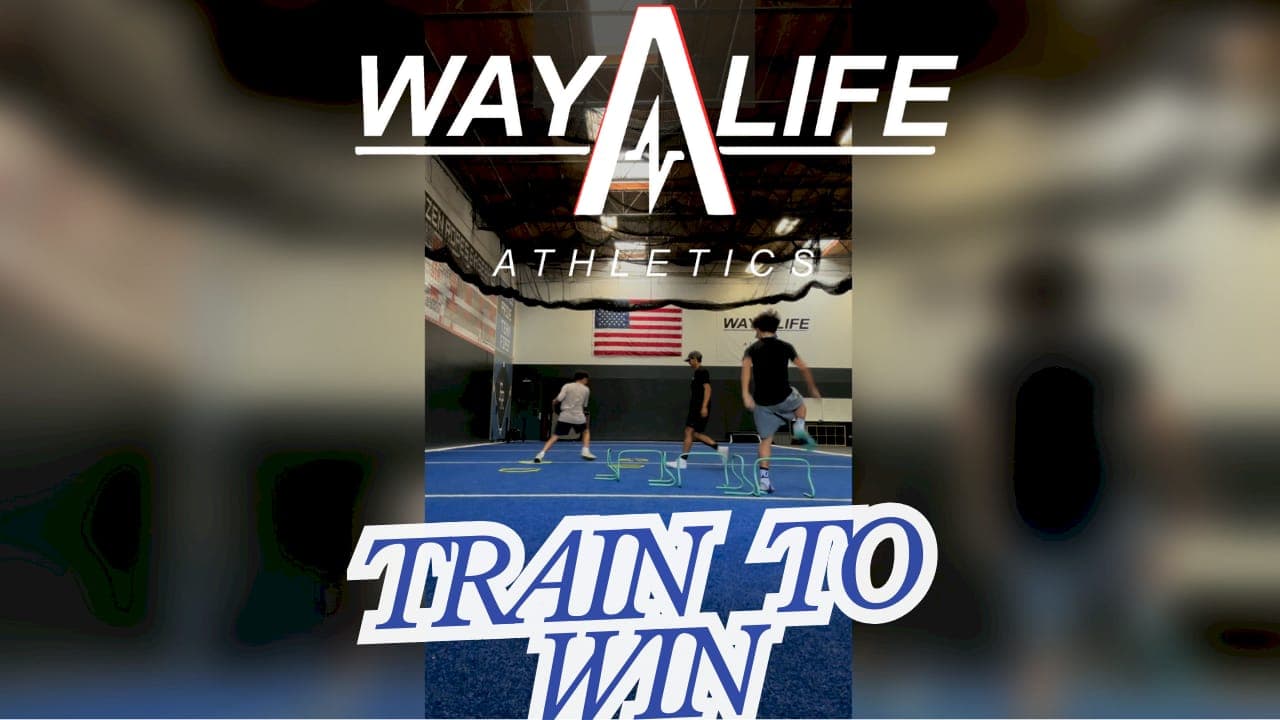
Children’s personal training is a structured, youth-specific fitness practice that differs fundamentally from adult coaching in its safety requirements, session design, and motivational approach. When you choose a personal trainer for kids in 4S Ranch, the decision comes down to three non-negotiable factors: verified certifications, child-safety clearances, and age-appropriate programming. Get those three right, and you set your child up for a lifetime of confident, healthy movement. Skip them, and you risk both physical harm and a kid who never wants to step foot in a gym again. This guide walks you through every step, from credentials to red flags to what a great first session actually looks like.
What qualifications should you look for in a kids’ personal trainer?
A qualified youth personal trainer holds nationally recognized credentials, not just a general adult fitness certification. The distinction matters because youth physiology, motivation, and injury risk differ significantly from adult clients. Trainers who specialize in children understand growth plate sensitivity, attention spans, and how to build movement patterns before adding load.
Here is what to verify before booking a single session:
-
Personal training certification from a recognized body such as NASM, ACE, or NSCA, with a specific youth or pediatric specialization module
-
CPR and first aid certification, current and renewed within the last two years
-
Health screening protocol, meaning the trainer requires a physician’s release or health history form before starting with any child
-
Emergency information on file, including allergy records, medical conditions, and a parent contact hierarchy
-
Background check and working-with-minors clearance, which is non-negotiable for anyone training children in a private or semi-private setting
The IDEA Health & Fitness Association publishes a parent checklist that includes all five of these as baseline requirements. Any trainer who cannot confirm each one is not ready to work with your child.
Youth-specific instructor programs add another layer of credibility. Les Mills BORN TO MOVE instructor training, for example, takes up to two days and includes both practical teaching assessments and video certification. That kind of structured evaluation separates trainers who understand child development from those who simply scaled down an adult program.
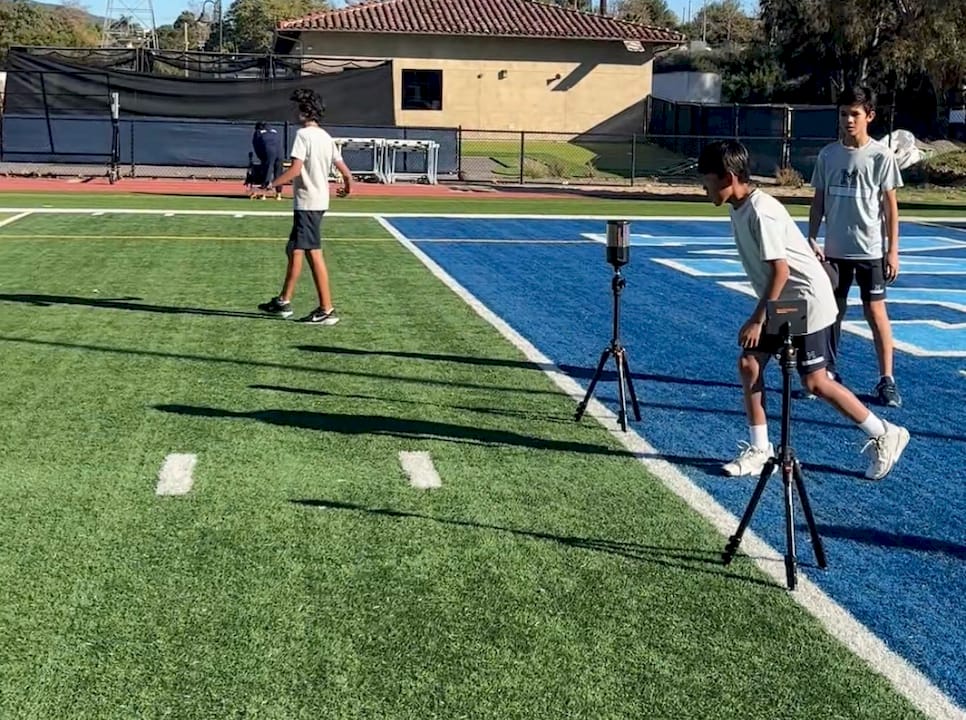
Pro Tip: Ask the trainer to show you their certifications physically or digitally before the first session. A confident, qualified professional will have them ready without hesitation.
How to evaluate and interview potential trainers for your child
Credentials tell you what a trainer knows. An interview tells you how they work. These are two different things, and both matter when you are trusting someone with your child’s safety and confidence.
Use this sequence when you meet a prospective trainer:
-
Ask how they assess a new child client. A strong answer includes movement screening, technique observation, and a conversation about the child’s goals and any physical limitations. Vague answers like “we just get started” are a red flag.
-
Ask how they progress each child specifically. The IDEA Health & Fitness Association advises verifying that trainers run assessment-to-progression processes tailored to each youth client, not a one-size-fits-all template.
-
Ask about warm-up and cool-down structure. A proper youth session includes at least 10 minutes of warm-up and cool-down framing the main training block.
-
Ask what happens in a medical emergency. They should describe a specific protocol: who gets called, where the first aid kit is, and whether the facility has an AED.
-
Ask how they handle a child who is frustrated or disengaged. The answer reveals their understanding of youth motivation, which is as important as their technical knowledge.
Watch for these red flags during the conversation. If a trainer cannot explain their assessment method in plain language, dismisses the importance of physician clearance, or seems annoyed by safety questions, walk away. The right trainer welcomes these questions because they ask them too.
Pro Tip: Bring your child to the interview if possible. Watch how the trainer interacts with them. Does your child light up, or go quiet? That reaction tells you more than any certification.
Comparing local youth fitness programs and trainers in 4S Ranch
4S Ranch has a growing number of youth fitness options, and comparing them requires a structured lens. Price alone is a poor filter. What actually predicts quality is a combination of coach stability, safety systems, and how well the program groups kids by age and ability.
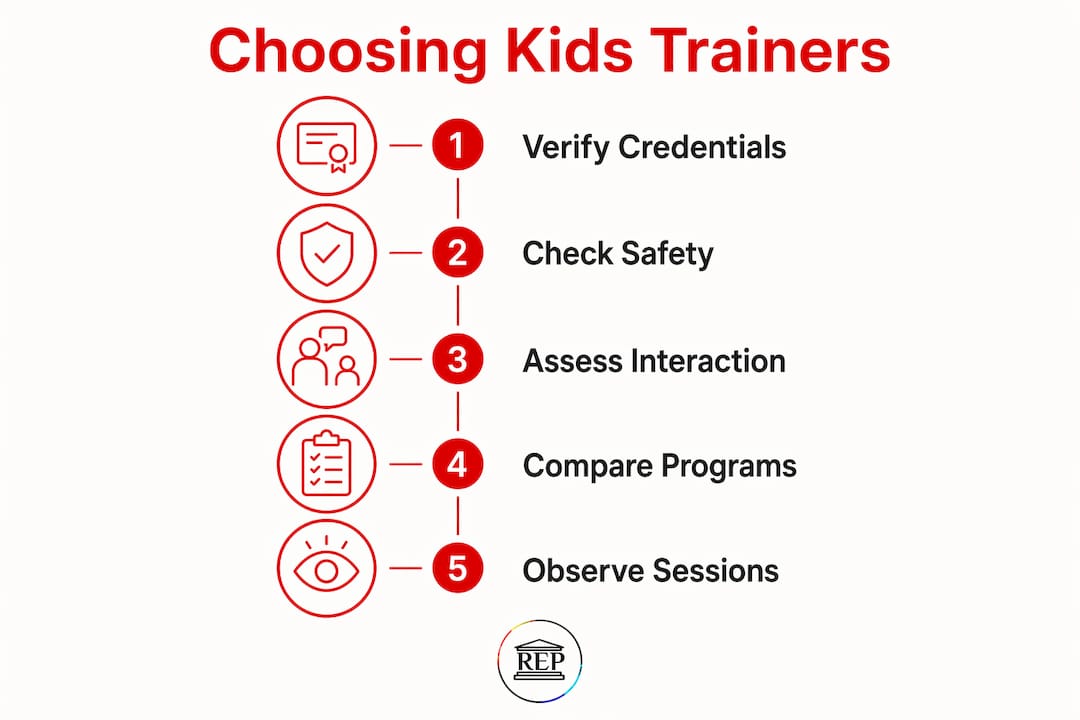
The Gyminny Kids 2026 parent comparison guide identifies five criteria that separate strong programs from average ones: coach quality and stability, safety systems, culture and core values, facility cleanliness, and community impact. Apply those same five criteria to any youth fitness program, not just gymnastics.
| Criteria | What to look for |
|---|---|
| Coach quality and stability | Certified trainers with low turnover and youth-specific experience |
| Safety systems | Written emergency protocols, AED on site, background-checked staff |
| Age and ability grouping | Separate tracks for different developmental stages, not mixed-age free-for-alls |
| Trial access | Free or low-cost trial classes before committing to a membership |
| Facility cleanliness | Clean equipment, organized space, and visible safety signage |
Locally, programs like 4S Karate’s Warriors program for ages 7 to 10 offer free trial classes and have maintained a community presence since 2008. That kind of track record signals stability and accountability. Sports performance centers in the area, including Repphilosophy’s youth sports performance training, offer structured programs that combine strength, agility, and sport-specific conditioning in a supervised environment.
When you visit any facility, ask whether independent contractors are held to the same child-safety standards as employees. Facilities that employ contractors must require them to comply with the same child-safety framework fully, ensuring uniform standards for every adult your child interacts with.
What to expect during your child’s personal training sessions
A well-designed youth training session follows a predictable structure, and that predictability is part of what makes it safe. Children thrive with routine, and a trainer who improvises every session is not serving your child well.
The IDEA Health & Fitness Association recommends youth strength training sessions of about 20 minutes of focused work, framed by 10 minutes of warm-up and cool-down, two to three nonconsecutive days per week. That structure prevents overtraining and gives growing bodies time to recover between sessions.
Here is what a quality session looks like in practice:
-
Warm-up (10 minutes): Dynamic movement like jumping jacks, light jogging, or mobility drills that raise heart rate and prepare joints
-
Main training block (20 minutes): Age-appropriate exercises including bodyweight strength movements, coordination drills, balance challenges, and sport-specific patterns
-
Cool-down (10 minutes): Static stretching, breathing exercises, and a brief debrief where the trainer acknowledges what the child did well
The trainer’s role during the main block is active supervision and real-time correction. They are not watching from across the room. They are adjusting grip, cueing posture, and modifying load the moment technique breaks down. Safe youth training requires controlled movement speeds and progressive resistance increases tailored to each child, not a fixed program applied to everyone.
The best trainers also use this time to build your child’s confidence. The ultimate goal of youth training is developing independent exercisers: kids who build the skills and self-belief to stay active without permanent reliance on a coach. A trainer who creates dependency rather than capability is not doing their job.
Common mistakes parents make when choosing a kids’ trainer
Most parents make these mistakes with good intentions. Knowing them in advance puts you ahead of the curve.
-
Assuming any adult trainer can work with kids. General personal training certifications do not cover youth physiology, growth plate awareness, or child motivation. Always confirm youth-specific credentials.
-
Skipping the certification check. Asking to see certifications feels awkward, but it is your right as a parent. A trainer who resists this request is a trainer to avoid.
-
Ignoring background check verification. Trainers working with minors must hold working-with-children clearance. Ask the facility directly whether this is verified for every trainer, including contractors.
-
Overlooking your child’s personality fit. A technically qualified trainer who cannot connect with your specific child will produce poor results. Your child’s engagement level is a performance metric.
-
Failing to monitor progress after the first month. Check in with the trainer regularly. Ask for progress notes, technique updates, and any concerns. A great trainer communicates proactively. One who goes silent between sessions is not tracking your child’s development.
Group training adds another dimension worth considering. Group sessions with controlled sizes provide social benefits and peer motivation that one-on-one training often cannot replicate. For some kids, training alongside a friend or small group is the difference between showing up enthusiastically and dreading every session.
Key takeaways
Choosing the right personal trainer for your child in 4S Ranch requires verified certifications, child-safety clearances, and age-appropriate programming as the three non-negotiable starting points.
| Point | Details |
|---|---|
| Verify credentials first | Confirm youth-specific certification, CPR training, and background checks before any session. |
| Interview with specific questions | Ask about assessment methods, emergency protocols, and how they handle disengaged kids. |
| Compare programs by five criteria | Evaluate coach stability, safety systems, age grouping, trial access, and facility cleanliness. |
| Expect structured sessions | Quality youth sessions follow a 10-20-10 format: warm-up, training block, cool-down. |
| Monitor fit and progress | Check in monthly and watch your child’s engagement level as a key quality signal. |
What I have learned coaching kids in 4S Ranch
I have worked with enough young athletes in this community to tell you that the certification question is where most parents stop, and it should be where they start. A credential is the floor, not the ceiling. What separates a good youth trainer from a great one is how they handle the moment a child gets frustrated, loses focus, or hits a wall they cannot push through yet.
The parents who get the best results for their kids are the ones who stay curious. They observe a session or two before committing. They ask follow-up questions after the first month. They notice whether their child is talking about training at dinner or going quiet when it comes up. That feedback loop between parent, child, and trainer is where real progress lives.
One thing I push back on is the idea that kids need to “earn” fun in a training session. Fun is not a reward for hard work. It is the mechanism that makes hard work possible for a young person. When a session feels like play with purpose, kids come back. When it feels like punishment with a clipboard, they find reasons to skip. The best youth trainers in 4S Ranch know this instinctively.
If you are weighing a youth sports performance program against a general kids fitness class, think about your child’s specific goals. Sport-specific training builds transferable athletic skills faster for kids already competing. General fitness classes build the foundation for kids who are just getting started. Both are valid. The wrong choice is the one that ignores where your child actually is right now.
— Coach Justin
Ready to find the right trainer for your child?
At Repphilosophy, we built our youth training programs around one principle: every child deserves a coach who takes their safety and their potential equally seriously. Our 4S Ranch trainers hold youth-specific certifications, maintain current CPR credentials, and follow structured session formats that keep kids safe while pushing them to grow.
Whether your child is training for a specific sport, building general fitness, or just needs a confidence boost, we have options that fit. From one-on-one sessions to small group training and virtual coaching memberships, we meet families where they are. Explore our full range of youth training programs and take the first step toward a stronger, more confident kid today.
FAQ
What certifications should a kids’ personal trainer have?
A qualified youth trainer holds a nationally recognized personal training certification such as NASM, ACE, or NSCA, plus a youth specialization module and current CPR and first aid credentials. The IDEA Health & Fitness Association also recommends verifying that trainers require health screenings and keep emergency information on file.
How long should a personal training session be for a child?
Youth strength training sessions should include about 20 minutes of focused training, framed by 10 minutes of warm-up and cool-down, two to three nonconsecutive days per week. This structure, recommended by the IDEA Health & Fitness Association, prevents overtraining and supports healthy recovery.
Do kids’ personal trainers need a background check?
Yes. Any trainer working with minors should hold a working-with-children clearance and comply with a formal child-safety framework. Ask the facility whether this requirement applies to independent contractors as well as employed staff, since consistent safety standards must cover every adult your child works with.
Are group training classes better than one-on-one sessions for kids?
It depends on the child. Group sessions with controlled sizes provide social motivation and peer energy that many kids respond to better than solo training. One-on-one sessions offer more individualized technique correction and progression. Many families in 4S Ranch use both formats at different stages of their child’s development.
How do I know if a youth fitness program in 4S Ranch is worth it?
Evaluate the program using five criteria: coach quality and stability, safety systems, age-appropriate grouping, trial class availability, and facility cleanliness. Programs like those reviewed in the Gyminny Kids 2026 guide demonstrate how these factors separate strong local programs from average ones.