
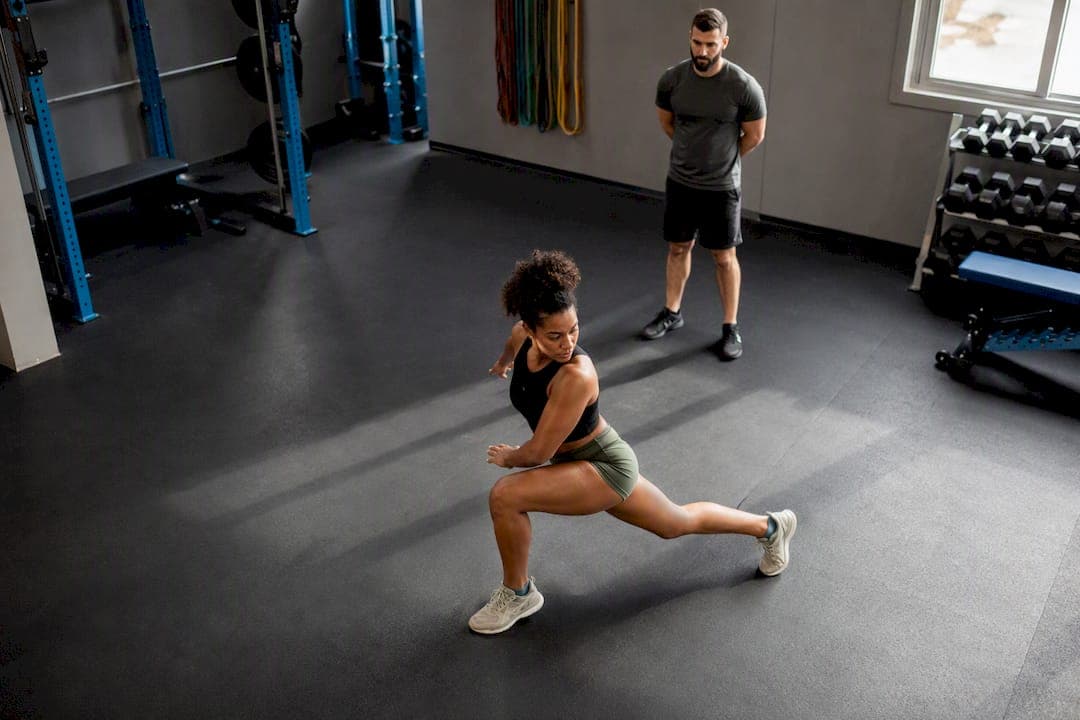
The fastest path to real athletic and fitness gains isn't a random plan off the internet. It's a personalized, integrated performance training program that pairs technical coaching with mindset work and consistent progress tracking. Skip the generic bootcamp. Choose a coach or program that starts with a proper evaluation, whether that's one-on-one, small-group, or virtual.
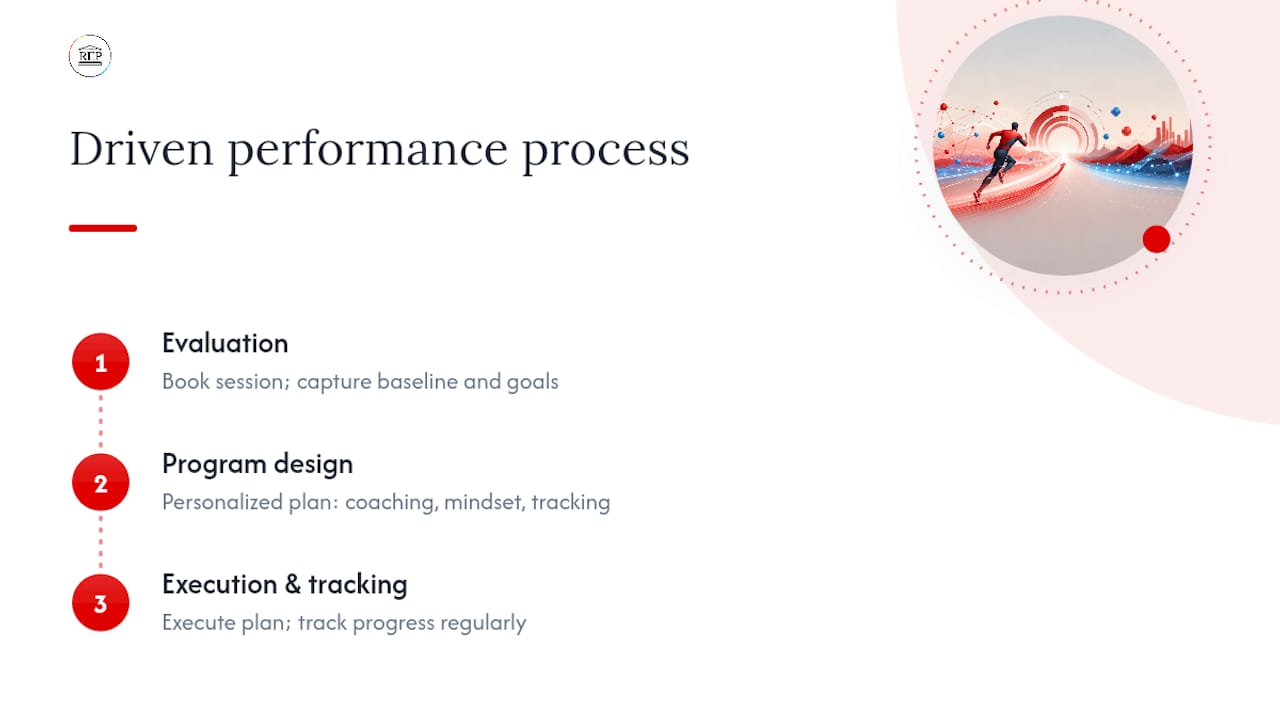
Your next move is simple: book a performance evaluation or intro session so a coach can capture your baseline and your goals. From there, most driven performance programs follow a straightforward 3-step process: evaluation, program design, and execution with regular tracking. We'll walk through exactly how that works below.
Key Takeaways
Personalized, integrated performance coaching that pairs technical programming with mindset work and regular testing produces more measurable and sustainable results than generic workout plans.
| Point | Details |
|---|---|
| Start with an evaluation | A baseline movement screen and goal-setting session should happen before any program begins. |
| Follow the 3-step process | Evaluation, program design, and tracked execution with reviews every 2 to 4 weeks. |
| Compare deliverables, not price | Look at testing, coach access, video review, and update frequency across 12-week programs. |
| Demand measurable proof | Credible results show baseline, timeline, and specific change, not vague praise. |
| Choose an integrated provider | REP Philosophy offers in-person, small-group, youth, and virtual programs built on evaluation-first onboarding. |
Table of Contents
- What Does Driven Performance Training Actually Include?
- How Does the Onboarding Process Work?
- What Does a Driven Performance Program Cost?
- What Results Should You Expect, and How Are They Measured?
- How Do You Choose the Right Coach or Program?
- Why Does the Integrated Coaching Model Work Better?
- What I've Learned From Watching Clients Track Progress
- Ready to Start Your Own Driven Performance Plan?
- Frequently Asked Questions
- Sources
What Does Driven Performance Training Actually Include?
"Driven performance training" isn't one single service. It's a category, and understanding the formats helps you shortlist the right fit fast.
- One-on-one personal training: A full movement and goals assessment, an individualized program built around your history, and hands-on technique coaching with steady progression.
- Small-group training: Shared sessions (often 2 to 4 people) with personalized checkpoints built in. You get individualized attention at a lower cost per session than solo coaching.
- Group classes and youth/team athlete programs: Sport-specific skill work, conditioning, and speed development, usually run in a structured facility setting.
- Virtual and on-demand training: Remote coaching, structured programming, and an exercise library you can access on your own schedule.
- Ancillary support: Mobility work, injury-prevention screening, nutrition coaching, and periodic performance testing round out a serious program.
A structured performance system often blends major strength lifts, accessory work, and multiple conditioning methods, delivered through a platform for tracking and coaching so progress happens without burning excessive hours in the gym.
How Does the Onboarding Process Work?
Most driven performance programs follow the same logical sequence, whether you're training in person at a facility like 4S Ranch or working with a coach virtually.
- Performance evaluation. Your coach runs a movement screen, baseline strength or conditioning tests, and reviews your training and injury history. This is also where you set concrete goals, not vague ones.
- Program design and scheduling. Your coach builds an individualized plan, sets the program length, locks in session cadence, and grants virtual access if that's part of your package. Milestones get mapped out here, not left to chance.
- Execution, tracking, and review. You train, your coach refines technique in real time, and your metrics get reviewed and adjusted every 2 to 4 weeks based on what the data shows.
That third step is where most generic gyms fall short. Without scheduled review points, you're guessing whether the plan is working instead of knowing.
What Does a Driven Performance Program Cost?
Pricing varies by format, and knowing the ranges helps you avoid overpaying for less support or underpaying for a plan that won't move the needle.
- One-on-one coaching: Typically the highest per-session cost, but it includes full customization, hands-on cueing, and direct coach access.
- Small-group or buddy training: Usually runs meaningfully cheaper per session than solo coaching while still including individualized progress checkpoints.
- Virtual and on-demand programs: The most budget-friendly option, often structured as a monthly membership with programming and video access.
A typical 12-week program includes initial testing, three progressive training phases, milestone check-ins at weeks 4, 8, and 12, and a final reassessment to measure what actually changed.
Pro Tip: Don't compare programs on price per session alone. Compare what's actually included: baseline testing, coach access between sessions, video technique review, and how often your program gets updated. A cheaper plan with no reassessment often costs you more in wasted months.
What Results Should You Expect, and How Are They Measured?
Real programs produce measurable change, not just a sore feeling after a workout. Expect outcomes like:
- Measurable strength gains, tracked through rep or 1RM testing.
- Improved speed and power, often measured with sprint times or vertical jump testing.
- Better movement quality, assessed through periodic movement screens.
- Reduced pain or lower re-injury rates for athletes returning from setbacks.
Credible programs measure this with baseline testing, then periodic retesting on the same metrics, plus subjective scales for how you're recovering and feeling week to week.
The best testimonials show a clear arc: where the client started, how long it took, and what specifically changed. Vague praise like "great coach, love it here" tells you nothing. A testimonial worth trusting reads more like this:
That's the format to look for: baseline, timeline, measurable change.
How Do You Choose the Right Coach or Program?
Picking a provider is where most people either save themselves months of wasted effort or waste money on a program that never adjusts to them. Run through this before you commit:
- Check credentials against your athlete type. A coach who's great with adult strength clients isn't automatically right for a 14-year-old soccer player.
- Ask for the program structure. You want periodization, measurable phases, and defined checkpoints, not "we'll figure it out as we go."
- Confirm coach-to-client ratio. In small-group settings, ask how many people share a coach's attention per session.
- Ask how progress gets communicated. Weekly check-ins? Monthly reports? Get specifics.
- Ask about policies. What happens if you miss a session? Is there a refund or make-up policy?
Watch for these red flags before you sign anything:
- No baseline testing before your first real training session.
- Vague answers about how the program progresses over time.
- One-size-fits-all workouts handed to every client regardless of goals.
- No safety protocols or injury-prevention screening mentioned at all.
A reputable fitness coach should be able to answer every one of these questions clearly and specifically, without hedging.
Why Does the Integrated Coaching Model Work Better?
Here's what separates a driven performance program from a workout plan you found online: it treats you as a whole system, not a set of muscles.
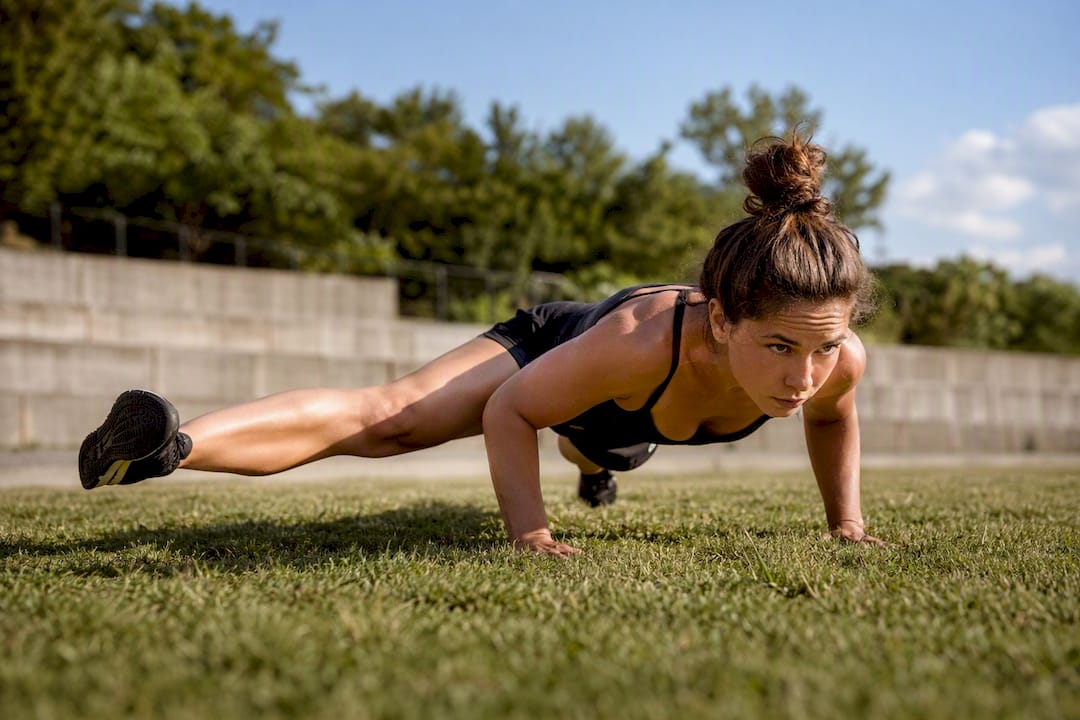
High-performance coaches use an integrated approach that combines physical, mental, and psychological training, and they often coordinate specialists like physiotherapists and nutritionists rather than trying to be the only expert in the room. Coaches report that mindset and limiting beliefs materially affect long-term outcomes. Without addressing that, even a scientifically sound program can fail to produce lasting change.
That's the model REP Philosophy builds around: progressive programming paired with habit-formation guidance, plus sport-specific protocols for youth athletes and virtual resources for adults who need flexibility.
Physical conditioning is one piece. Mindset, habit formation, and lifestyle strategy are the others, and skipping them is why so many programs plateau by week six.
What I've Learned From Watching Clients Track Progress
Baseline testing changes everything. I've seen clients skip it because they're eager to just start training, and it always costs them later when they have no way to prove what actually improved.
Set short-term, measurable goals from week one. Don't chase every number available to you.
Pro Tip: Pick one or two simple weekly metrics, like training load or sprint time, instead of tracking a dozen vanity numbers. Fewer metrics tracked consistently beat a spreadsheet full of data nobody reviews.
Ready to Start Your Own Driven Performance Plan?
REP Philosophy runs exactly the integrated model this article describes, and you don't have to choose just one format. In-person personal training and small-group buddy memberships are available at the 4S Ranch Sports Performance Center, youth athletes get sport-specific development programs, and if you need flexibility, virtual coaching memberships give you structured programming and on-demand video coaching wherever you train.
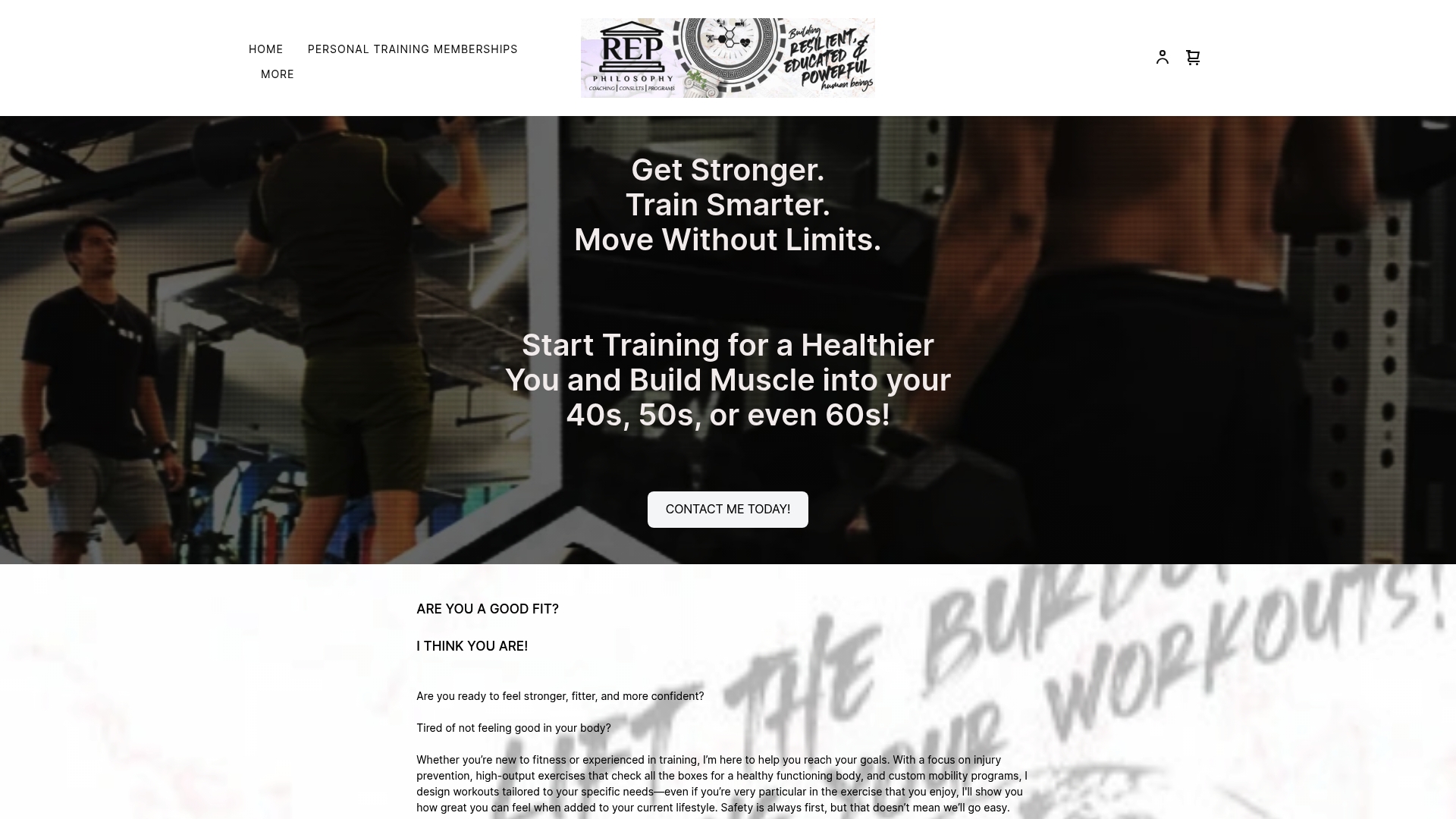
Every client starts the same way: a performance evaluation that captures your baseline before your program gets built. If you're ready for one-on-one coaching, you can book a personal training session directly. Prefer to train on your own schedule first? Browse the on-demand exercise library and start moving today.
Frequently Asked Questions
How much does driven performance training typically cost? Costs vary by format: one-on-one coaching costs the most per session but includes full customization, small-group training runs cheaper per session with shared attention, and virtual programs are usually the most affordable, often billed monthly.
How long does a typical program last? Many programs run in 12-week blocks with testing at the start, milestone check-ins at weeks 4 and 8, and a final reassessment at week 12 to measure real change.
Is virtual performance training as effective as in-person coaching? Virtual programs can produce strong results when they include structured programming, video technique review, and consistent coach access. They work best for self-motivated athletes who don't need hands-on cueing every session.
What's the difference between personal training and performance training? Personal training often focuses on general fitness goals, while performance training centers on specific athletic outcomes like speed, power, and sport-specific skill, measured through periodic testing rather than general progress.
Do youth athletes need a different program than adults? Yes. Youth athlete programs should focus on movement quality, injury prevention, and age-appropriate conditioning, delivered by coaches experienced with that specific population rather than adapted adult programming.
Sources
- What Does a High Performance Coach Do? | UF Sport Management
- High-Performance Coach: The Ultimate Guide (Chapter 2 & 3) | Evercoach
- Peak Performance - Hagele Strength