
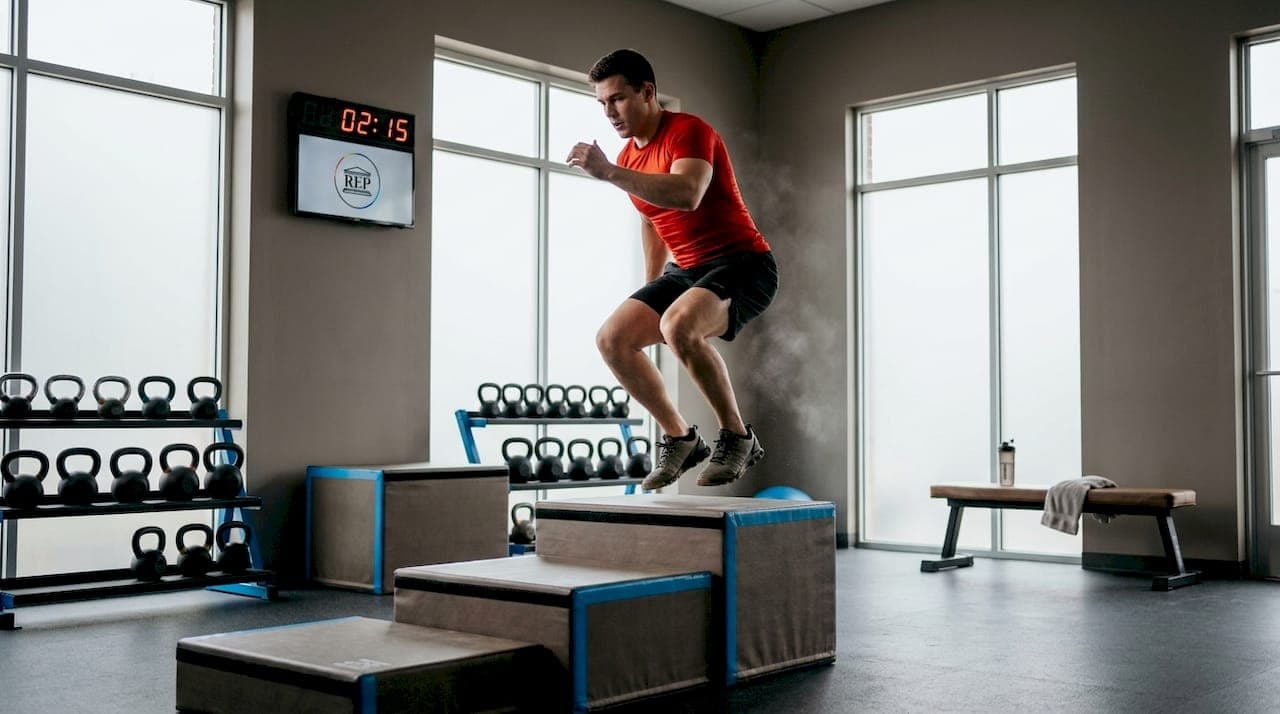
Sports performance training is defined as a structured, goal-directed program that develops an athlete's physical, psychological, technical, and tactical abilities to improve sport-specific performance. Unlike general fitness, this approach targets the exact demands of your sport, whether you're a youth soccer player in 4S Ranch or a high school track athlete chasing a faster split. The multidimensional nature of sports performance means that strength alone never tells the whole story. Preparation, mental readiness, and skill transfer all shape what happens when competition day arrives. Understanding this framework is the first step toward training with real purpose.
What is sports performance training and how does it work?
Sports performance training is the deliberate coordination of physical conditioning, technical skill development, tactical awareness, and psychological preparation to produce measurable gains in sport-relevant output. The NSCA and NASM both define athletic training through this multidimensional lens, separating it clearly from recreational exercise or general gym work. Training decisions align with the athlete's sport calendar, coordinating physical, technical, tactical, and psychological goals to manage fatigue and achieve competition readiness.
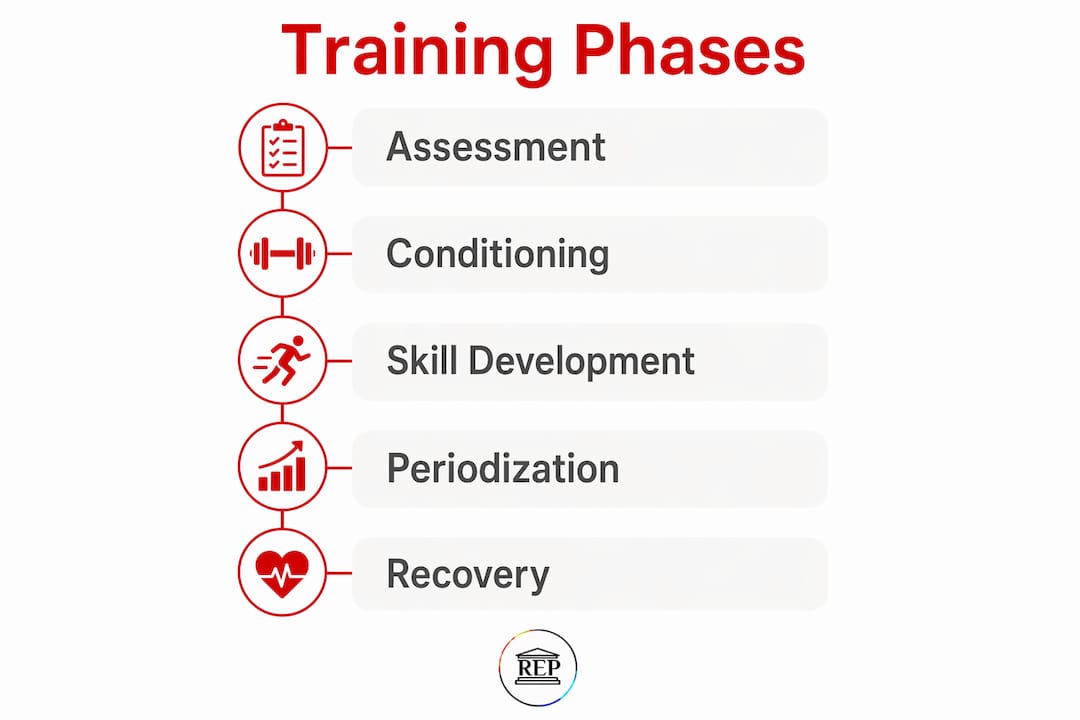
The engine behind any well-designed program is periodization, which is the practice of cycling training variables like volume, intensity, frequency, and specificity across planned time blocks. Periodization deliberately cycles these variables to maximize adaptation and manage fatigue, which is what separates a performance program from random hard work. Three periodization models dominate the field: linear (progressive load increases over weeks), undulating (varying intensity within a week), and block (concentrated focus on one quality per training phase).
Strength, conditioning, and velocity-based training
Strength and conditioning forms the physical backbone of any performance program. Exercises like trap bar deadlifts, Bulgarian split squats, and medicine ball throws build the force production and power transfer that sport demands. Velocity-based training measures movement speed during lifts to evaluate short-term anaerobic output and guide load selection in real time, giving coaches precise feedback that traditional rep-and-set schemes cannot provide.
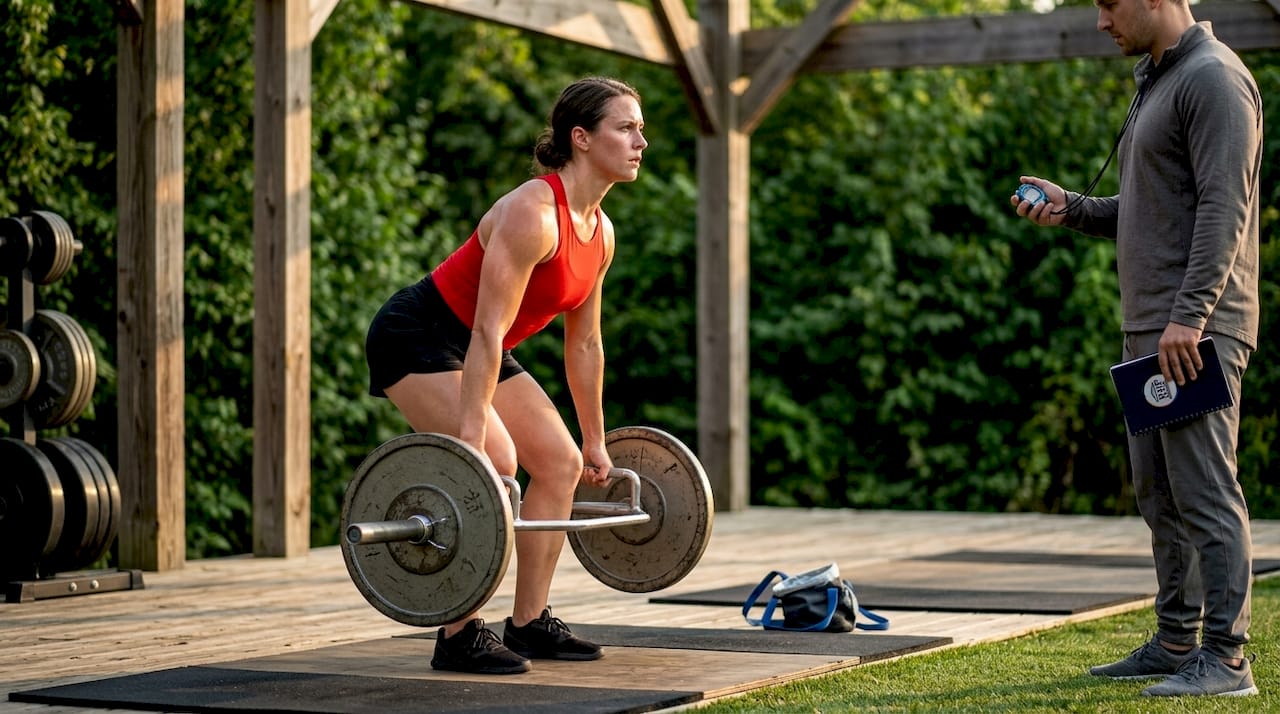
Technical and tactical training layers on top of the physical foundation. A basketball player needs explosive hip extension from the weight room, but also the footwork patterns and decision-making speed that only sport-specific drills can build. Effective programs map physical training to measurable outputs, enabling dynamic adjustments in intensity and volume across training blocks so the athlete peaks at the right moment.
Pro Tip: When comparing periodization models, undulating periodization works well for athletes with year-round competition schedules because it allows intensity variation without long buildup phases.
| Training type | Primary focus | Best suited for |
|---|---|---|
| Linear periodization | Progressive strength buildup | Off-season athletes with long prep windows |
| Undulating periodization | Varied intensity within each week | In-season athletes maintaining multiple qualities |
| Block periodization | Concentrated single-quality phases | Advanced athletes with clear competition peaks |
| Velocity-based training | Real-time power and speed output | Strength and power sport athletes |
What are the benefits of performance training for athletes?
The benefits of performance training reach far beyond bigger numbers on a squat rack. A 26-week NASM-OPT periodized program improved maximal strength, countermovement jump height, and muscle function metrics in adolescent athletes compared to a control group. That result matters because it confirms that structured programming produces measurable gains in the qualities that transfer directly to the field or court.
Here is what athletes at every level consistently gain from a well-run performance program:
- Maximal strength and power. Resistance training with progressive overload builds the force capacity that drives sprinting, jumping, throwing, and change of direction.
- Speed and agility. Sprint mechanics work, plyometric progressions, and reactive drills improve acceleration and lateral quickness in ways that sport practice alone rarely achieves.
- Injury resilience. Structured progression and planned recovery reduce overtraining risk by respecting the General Adaptation Syndrome, cycling through alarm, resistance, and recovery phases rather than pushing load indefinitely.
- Coordination and technical skill transfer. Improved neuromuscular control from training translates into cleaner movement patterns during competition.
- Mental toughness and confidence. Athletes who train with intention and track measurable progress build the psychological resilience that shows up in close games and high-pressure moments.
Mental resilience and stress management are not soft add-ons. They are core performance factors that structured programs must address alongside physical conditioning. An athlete who can manage pre-competition anxiety and stay focused under fatigue has a real competitive edge.
How is sports performance training safely adapted for youth athletes?
Youth athletes are not small adults, and their programs should never be treated as scaled-down versions of adult training. Maturity status influences performance metrics more than chronological age, which means two 14-year-olds can be at completely different developmental stages. Programming that ignores peak height velocity and training experience creates injury risk and stunts long-term development.
Safe and effective youth performance training follows a clear progression framework:
- Establish a movement foundation first. Before loading any pattern, young athletes need to demonstrate competent bodyweight squats, hinges, pushes, and pulls with stable posture.
- Use standardized testing protocols. Tracking performance trends over 7 to 14 days filters out the noise caused by sleep, nutrition, and daily fatigue fluctuations. Never adjust a program based on a single low reading.
- Limit session frequency and volume. Two to three structured sessions per week with adequate recovery between them is appropriate for most youth athletes during the developmental years.
- Monitor maturity indicators alongside performance data. Integrating peak height velocity estimates into programming decisions prevents coaches from overloading athletes during rapid growth phases when tendons and bones are most vulnerable.
- Plan deload weeks deliberately. Long-term adaptation in adolescent athletes requires sustained periodized programming rather than isolated intense sessions. A deload every third or fourth week protects against accumulated fatigue.
Pro Tip: For parents evaluating youth programs, ask the coach how they track progress over time. A coach who monitors weekly trends and adjusts based on data is far more trustworthy than one who runs the same session every week regardless of how the athlete responds.
Choosing the right environment matters as much as the program itself. Resources like how to choose a personal trainer for kids give parents a clear checklist for evaluating qualifications, safety protocols, and programming philosophy before committing. Safe baseball training practices from youth injury prevention research also reinforce that sport-specific safety protocols reduce overuse injuries significantly when applied consistently.
What practical steps improve athletic performance through structured training?
Knowing what sports performance training is matters less than knowing how to put it into practice. Whether you are an athlete, a coach, or a parent supporting a young competitor, these steps set the foundation for a program that actually transfers to sport performance.
- Assess sport-specific demands first. A volleyball player needs explosive vertical power and shoulder stability. A soccer midfielder needs aerobic capacity and repeated sprint ability. Map the physical, technical, and tactical demands of the sport before writing a single workout.
- Set clear, measurable objectives. Vague goals like "get faster" produce vague results. Specific targets like "improve 40-yard dash from 5.1 to 4.8 seconds by the end of the off-season" give the program direction and give the athlete something to chase.
- Use periodized, progressive programming with planned peaks. Structure training blocks around the competitive calendar so the athlete arrives at key competitions in peak condition, not exhausted from a heavy training week.
- Track measurable performance indicators consistently. Sprint times, vertical jump height, and strength benchmarks provide objective feedback that removes guesswork from programming decisions. The benefits of sports performance coaching include exactly this kind of data-driven accountability.
- Integrate recovery, nutrition, and psychological strategies. Training stress only produces adaptation when recovery is adequate. Sleep, protein intake, and mental preparation are not optional extras. They are part of the program.
- Work with qualified coaches. The NSCA and NASM both offer certifications that signal a coach understands periodization, youth development, and evidence-based programming. Credentials matter when you are trusting someone with an athlete's development and safety.
Assessing youth pitching performance step by step is one example of how sport-specific assessment translates directly into smarter programming decisions for young athletes.
Key takeaways
Sports performance training produces lasting athletic gains only when physical conditioning, periodized programming, and sport-specific skill development are coordinated together across a planned training calendar.
| Point | Details |
|---|---|
| Definition matters | Sports performance training targets physiological, psychological, technical, and tactical factors, not just fitness. |
| Periodization drives results | Cycling volume, intensity, and recovery across planned blocks maximizes adaptation and prevents overtraining. |
| Youth athletes need individualized plans | Maturity status and experience level should guide programming more than chronological age alone. |
| Track trends, not single sessions | Monitoring 7 to 14-day performance averages reduces noise and improves programming decisions. |
| Transfer to sport is the goal | Gym metrics only matter if they improve what happens on the field, court, or track. |
What I've learned coaching athletes that most programs get wrong
Most programs I see fail at the same point: they treat sports performance training as a collection of hard workouts rather than a coordinated system. Coaches pile on volume because effort feels productive, and athletes burn out or break down before the season even starts. That is not training. That is just fatigue management done poorly.
The athletes I have worked with who made the biggest leaps were not the ones who trained the hardest. They were the ones who trained the most deliberately. We tracked their sprint times, their jump heights, their recovery quality. When the data showed fatigue accumulating, we pulled back. When it showed adaptation, we pushed forward. That feedback loop is what turns a good athlete into a great one.
Parents often ask me whether youth performance training is safe. My honest answer is that it depends entirely on who is running the program and how they monitor progress. A qualified coach who tracks trends, respects maturity differences, and builds movement quality before adding load is not a risk. Unstructured, ego-driven training with no recovery plan is the actual danger.
The psychological side also gets underestimated. Athletes who understand why they are doing each phase of training show up more focused, handle setbacks better, and compete with more confidence. Explaining the "why" behind periodization to a 15-year-old is not wasted time. It builds the mental resilience that separates good competitors from great ones.
— Coach Justin
Ready to train with purpose? Repphilosophy has you covered
At Repphilosophy, we build customized performance programs around your sport, your schedule, and your goals, whether you are an adult athlete, a youth competitor, or a parent looking for the right environment for your child. Our WayALife Athletics youth program in 4S Ranch applies the same evidence-based periodization and safety protocols covered in this article, in a challenging and supportive setting designed specifically for young athletes.

Can't make it in person? Our on-demand video library gives you structured, progressive workouts built by qualified coaches, accessible anywhere. From group classes to bring-a-buddy memberships, Repphilosophy makes high-quality performance training accessible at every level. Take the next step and invest in training that actually transfers to your sport.
FAQ
What is sports performance training?
Sports performance training is a structured, multidimensional program designed to improve an athlete's physical, psychological, technical, and tactical abilities specific to their sport. It differs from general fitness by targeting sport-relevant outputs like sprint speed, jump power, and competitive decision-making.
How does periodization improve athletic performance?
Periodization cycles training variables such as volume, intensity, and frequency across planned time blocks to maximize adaptation while managing fatigue. Research from Sports Coaching Authority confirms that this deliberate sequencing of stress and recovery is what separates true performance training from unstructured exercise.
Is sports performance training safe for youth athletes?
Yes, when designed and monitored by qualified coaches who account for maturity status and experience level rather than age alone. Tracking performance trends over 7 to 14 days and building movement quality before adding load are the two most critical safety practices.
How long does it take to see results from performance training?
A 26-week NASM-OPT periodized program produced significant gains in maximal strength and explosive power in adolescent athletes, suggesting that meaningful adaptation requires sustained commitment over multiple months rather than a few intense weeks.
What types of sports training should athletes prioritize?
Athletes should prioritize strength and conditioning, speed and power development, sport-specific technical drills, and planned recovery. The right mix depends on the sport's demands and the athlete's competitive calendar, which is why working with a qualified coach produces better outcomes than self-directed training.