
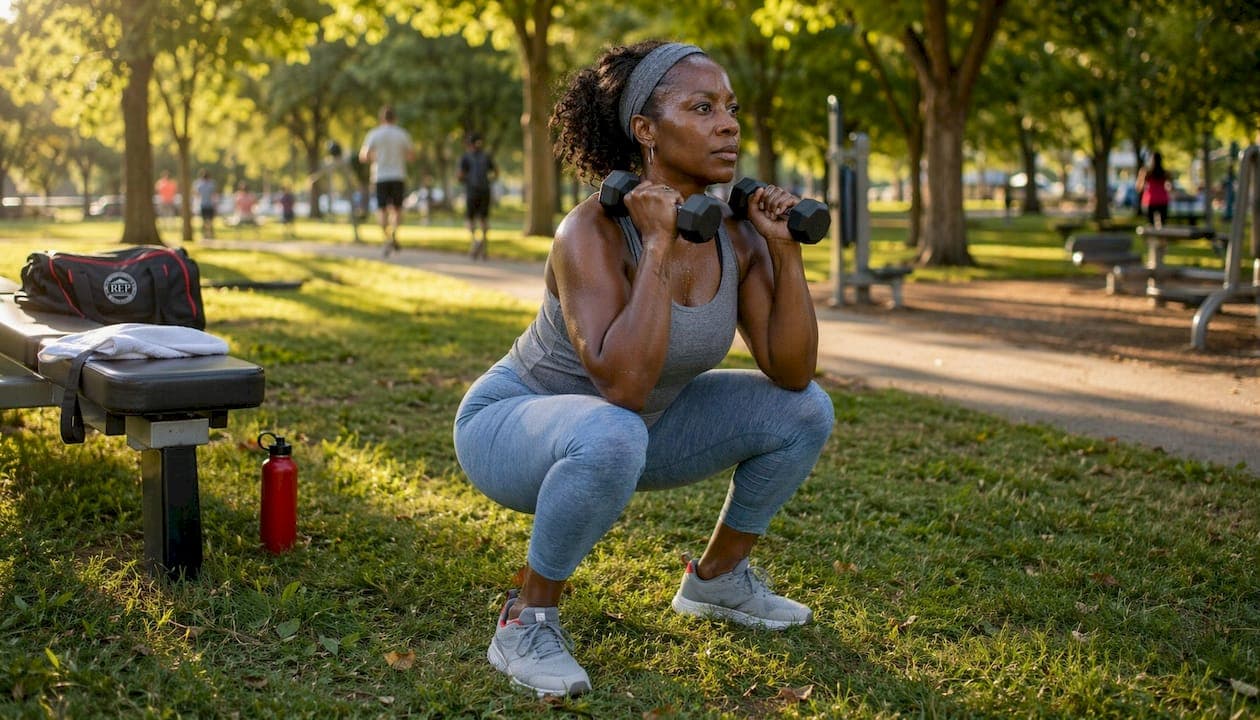
Strength training is one of the most effective tools you have for losing fat while keeping the muscle that matters. The role of strength training in fat loss goes well beyond what happens during the workout itself. When you build muscle through resistance training, you raise your resting metabolic rate, preserve lean tissue during a calorie deficit, and reshape your body composition in ways that cardio alone simply cannot replicate. Meta-analyses confirm that combining resistance training with dietary changes reduces body fat percentage by an average of 3.8% and fat mass by 5.3 kg compared to controls. That is the kind of result worth understanding deeply.
Here is what strength training actually does for your body:
- Increases resting metabolic rate so you burn more calories around the clock
- Preserves fat-free muscle mass during caloric restriction, which diet alone cannot do
- Triggers excess post-exercise oxygen consumption (EPOC), extending calorie burn after your session ends
- Improves body composition by shifting the ratio of fat to muscle, even when the scale barely moves
The Mayo Clinic, the National Institutes of Health, and peer-reviewed meta-analyses all support resistance training as a cornerstone of any fat loss program. This article walks you through the research, the practical steps, and the expert guidance you need to make it work.
What does the research actually say about strength training and fat loss?
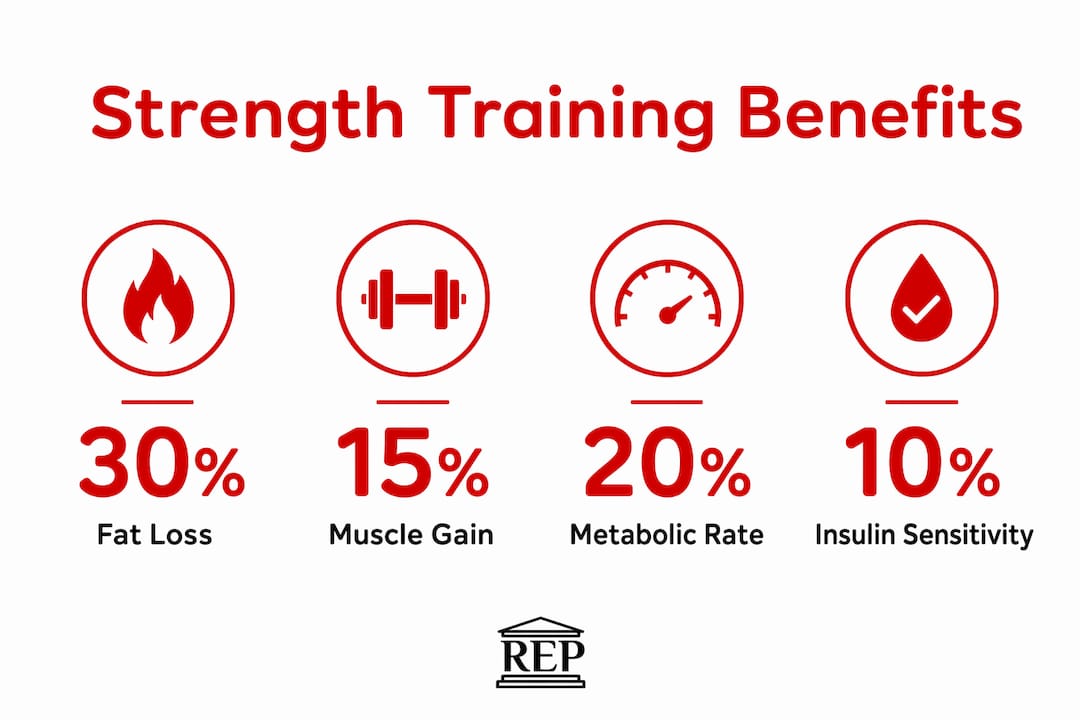
The science here is clear and consistent. A systematic review and meta-analysis published in the Proceedings of the Nutrition Society found that adding resistance exercise to a dietary weight loss program protects fat-free mass (SMD 0.40, moderate certainty) and increases fat mass loss (SMD -0.36, high certainty) compared to dieting alone. Critically, total body weight loss was similar between groups, meaning the resistance training group lost more fat and kept more muscle, not just less overall weight.
| Outcome | Diet Only | Diet + Resistance Training |
|---|---|---|
| Total body mass change | Similar | Similar |
| Fat mass loss | Moderate | Greater (SMD -0.36, high certainty) |
| Fat-free mass preservation | Lost | Protected (SMD 0.40, moderate certainty) |
| Muscle strength | Baseline | Significantly greater (SMD 0.40) |
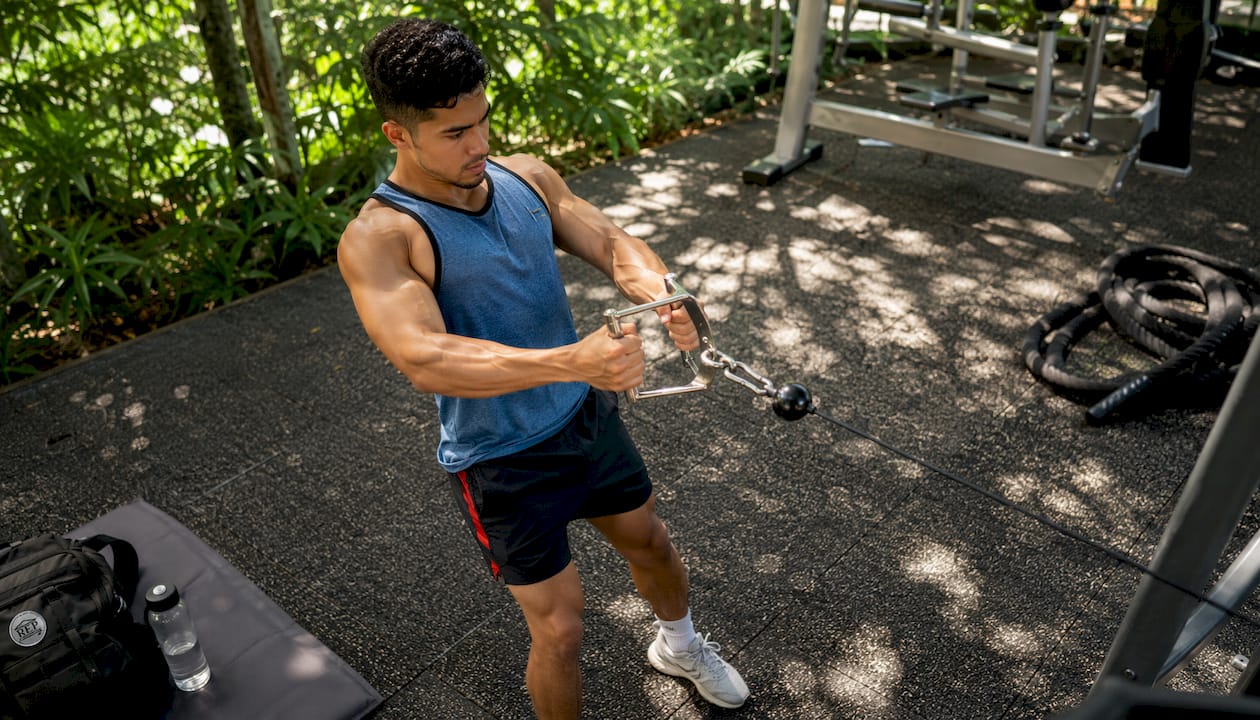
A separate meta-analysis comparing aerobic training, resistance training, and concurrent training found that aerobic exercise reduced absolute fat mass slightly more than resistance training alone over programs lasting at least 10 weeks. However, resistance training preserved more fat-free mass than aerobic training, and concurrent training (combining both) reduced fat mass more than resistance training alone. The takeaway: resistance training is the only modality that reliably protects muscle while you lose fat.
A few more findings worth knowing:
- Strength gains from resistance training come from both muscle growth and neural adaptations, including improved motor unit recruitment and coordination, so you get stronger even before you add significant muscle mass
- A 2026 Frontiers in Endocrinology study found that only the resistance training group demonstrated simultaneous fat loss and gains in fat-free mass during a caloric deficit, while diet or aerobic exercise alone led to muscle loss
- Dietary interventions without resistance training typically result in 20–30% of weight lost coming from fat-free mass, including muscle tissue
Why strength training does more for your body than just burning calories
The benefits of strength training for weight loss extend well past the session itself. Here is where it gets genuinely exciting.
Resting metabolic rate. Muscle tissue is metabolically active. Research shows that consistent resistance training can raise resting metabolic rate by roughly 7% after 10 weeks, simply because you have more muscle to maintain. That means your body burns more calories at rest, every single day, without any additional effort on your part.
Muscle preservation and sarcopenia prevention. Losing muscle during a diet is not just a cosmetic problem. Low muscle mass is linked to higher rates of cardiometabolic disease, reduced functional independence, and greater mortality risk. Resistance training is the most effective method available to maintain or increase muscle mass and strength, and that protective effect holds even when you are in a caloric deficit.
Functional strength and quality of life. Getting stronger makes daily life easier. Carrying groceries, climbing stairs, keeping up with your kids — these all improve when your muscles are trained and resilient. That is a benefit no calorie-counting app can give you.
"High-quality weight loss prioritizes muscle preservation over rapid weight loss, which is critical to metabolic health and long-term weight maintenance." — Frontiers in Endocrinology, 2026
Insulin sensitivity and cardiometabolic health. Skeletal muscle is a primary site for glucose uptake. When you build more of it, your body handles blood sugar more efficiently. Resistance training has also been shown to improve blood lipids and support blood pressure regulation, though the evidence on cardiometabolic markers during active weight loss is still developing.
The afterburn myth, clarified. Strength training burns fewer calories during the workout than a comparable session of aerobic exercise. That part is true. But the long-term calorie burn from increased muscle mass far outweighs the in-session difference. EPOC (excess post-exercise oxygen consumption) also extends calorie burn for hours after you finish lifting. The real advantage of strength training is metabolic, not immediate.

Pro Tip: Don't judge a strength session by how sweaty you get. The metabolic payoff happens over hours and weeks, not just during the workout.
How to start strength training for fat loss safely and effectively
Getting started does not require a complicated program or a gym full of equipment. What it does require is a clear plan and a commitment to consistency.
-
Assess your readiness. If you have any existing injuries, joint pain, or chronic health conditions, check with your doctor or a qualified health professional before starting. A quick conversation can save you weeks of setbacks.
-
Start with two sessions per week. The Mayo Clinic recommends training major muscle groups twice a week for 20–30 minutes per session as a sufficient starting point for building strength and protecting muscle mass. You do not need to train every day to see results.
-
Choose a manageable weight. Pick a resistance level where you can complete 12–15 repetitions with good form but feel genuinely challenged by the last few reps. If the final rep feels easy, the weight is too light.
-
Apply progressive overload. Add a small amount of weight or an extra rep each week. This gradual increase is what drives continued muscle adaptation and prevents your progress from stalling.
-
Prioritize compound movements. Exercises like squats, deadlifts, rows, bench presses, and overhead presses recruit multiple muscle groups at once, giving you the most return on your training time. These are the foundation of any effective strength workout for fat loss.
-
Allow recovery time. Muscle grows during rest, not during the workout. Aim for at least one full rest day between sessions targeting the same muscle groups.
-
Track your lifts. Write down the weights and reps you use each session. Seeing your numbers climb over weeks is one of the most motivating things you can do, and it tells you objectively whether you are progressing.
Pro Tip: If you're new to lifting, consider starting with a beginner-friendly program that teaches movement patterns before loading them heavily. Learning the squat pattern with bodyweight before adding a barbell protects your joints and builds a foundation that pays off for years.
What types of strength training work best for fat loss?
There is no single "right" way to train. The best method is the one you can do consistently with good form and progressive challenge. Here is how the main options compare.
| Training Type | Equipment Needed | Fat Loss Effectiveness | Best For |
|---|---|---|---|
| Free weights (barbells, dumbbells) | Moderate | High | Building strength and muscle mass |
| Resistance machines | Gym access | Moderate to high | Beginners learning movement patterns |
| Bodyweight training | None | Moderate | Home training, travel, beginners |
| Resistance bands | Minimal | Moderate | Supplemental training, rehabilitation |
| Supersets / circuits | Any | High | Time efficiency, elevated heart rate |
Free weights like barbells and dumbbells allow the greatest range of motion and recruit stabilizing muscles that machines miss. They are the gold standard for building functional strength and muscle mass.
Resistance machines guide your movement through a fixed path, which makes them useful for beginners who are still learning how exercises should feel. They are also helpful for isolating specific muscles after compound work.
Bodyweight training is genuinely effective, especially for beginners, and requires zero equipment. Push-ups, lunges, glute bridges, and rows using a table or bar can build real strength. The limitation is that progressive overload becomes harder to apply as you get stronger.
Supersets and circuits pair exercises back to back with minimal rest, which keeps your heart rate elevated and adds a cardiovascular element to your session. Research confirms there is no interference effect when combining aerobic and resistance training, so circuit-style workouts that blend both can support fat loss and muscle retention simultaneously. For a deeper look at how cardio and strength compare for performance, HIIT versus steady-state cardio is worth understanding as a complement to your lifting program.
The most effective approach for most people is a combination: two to three days of focused resistance training plus two days of moderate aerobic activity. That structure gives you the muscle-preserving and metabolic benefits of lifting alongside the fat mass reduction that aerobic work adds.
When will you actually see results from strength training?
Patience is part of the process, and knowing what to expect keeps you from quitting too early.
- Weeks 1–3: Neural adaptations kick in first. You will feel stronger and move better before your muscles visibly change. This is real progress, even if the mirror does not show it yet.
- Weeks 4–8: Muscle tissue begins to grow more noticeably. Body composition starts shifting, meaning your clothes may fit differently even if the scale holds steady.
- Weeks 8–12: Resting metabolic rate improvements become measurable. Research points to roughly a 7% RMR increase after 10 weeks of consistent training, which compounds your fat loss over time.
- Beyond 12 weeks: The fat-to-muscle ratio continues to shift in your favor. People who stay consistent for three to six months typically see the most dramatic body composition changes.
A few factors shape how quickly you progress:
- Nutrition: You cannot out-train a poor diet. Adequate protein (generally 0.7–1 gram per pound of body weight is a widely used target) supports muscle repair and growth during a caloric deficit.
- Sleep: Growth hormone is released primarily during deep sleep. Shortchanging rest slows muscle recovery and can stall fat loss.
- Consistency: Two solid sessions per week, maintained over months, beats an intense month followed by burnout.
The scale is often the worst tool for measuring your progress. Body measurements, how your clothes fit, and your strength numbers in the gym tell a far more accurate story of what is actually happening. Body recomposition — losing fat while gaining or maintaining muscle — often shows no change on the scale at all, even when your body is transforming.
Expert insights on combining strength training with diet for fat loss
Nutrition and training are not separate conversations. They are the same conversation.
Coach Justin brings a grounded, evidence-based approach to every client's program. His training philosophy centers on one principle: high-quality fat loss means preserving the muscle you have while shedding the fat you don't want. That aligns directly with what the research shows. A 2026 Frontiers study confirmed that only the resistance training group achieved true body recomposition during a caloric deficit, while those relying on diet or aerobic exercise alone lost meaningful amounts of lean tissue.
From a nutritional standpoint, the synergy between diet and strength training is well established. Protein intake supports muscle protein synthesis, which is the process your body uses to repair and build muscle after training. Eating enough protein while in a caloric deficit is what allows your body to lose fat without cannibalizing muscle. Understanding pre-workout nutrition can also make a real difference in how you perform and recover from each session.
Common mistakes Coach Justin sees with clients who are dieting without strength training:
- Losing muscle mass along with fat, which slows metabolism and makes weight regain more likely
- Relying solely on cardio, which burns calories during the session but does not raise resting metabolic rate
- Neglecting protein, leaving the body without the raw materials it needs to maintain muscle tissue
- Expecting the scale to tell the whole story, then quitting when it does not move fast enough
Pro Tip: Pair each strength training session with a protein-rich meal or snack within a couple of hours. This is when your muscles are most receptive to the amino acids they need to repair and grow.
How often, how hard, and how much should you train for fat loss?
Getting the frequency, intensity, and volume right is what separates steady progress from spinning your wheels.
Frequency. Training each major muscle group twice per week is the evidence-backed minimum for preserving and building muscle. The Mayo Clinic's guidelines support two sessions per week of 20–30 minutes targeting major muscle groups as sufficient for meaningful results. More advanced trainees can push to three or four sessions per week by splitting muscle groups across days.
Intensity. Work at a level where the last two or three reps of each set are genuinely challenging. For fat loss, a rep range of 8–15 per set tends to work well, balancing muscle stimulus with manageable fatigue. Avoid going so light that the exercise feels effortless, and avoid going so heavy that form breaks down.
Volume. For beginners, two to three sets per exercise is plenty. As you adapt over weeks and months, gradually increasing to three to five sets per exercise drives continued progress. The key is progressive overload: small, consistent increases in weight or reps over time.
Rest periods. Shorter rest periods (30–60 seconds) between sets keep your heart rate elevated and add a metabolic component to the session. Longer rest periods (2–3 minutes) allow heavier loads and greater strength development. For fat loss, a middle ground of 60–90 seconds works well for most people.
Combining modalities. If you want to add cardio, do your strength work first. Research on concurrent aerobic and resistance training confirms that combining both modalities enhances fat loss without an interference effect on muscle gains, provided you structure the program thoughtfully. Two to three days of strength training paired with two days of moderate cardio is a practical and well-supported structure for most adults pursuing fat loss.
For those who want a structured, time-efficient option, 30-minute personal training sessions at Repphilosophy are designed around exactly these principles: compound movements, progressive overload, and smart programming that fits a busy schedule.
Key Takeaways
Strength training combined with a caloric deficit is the most effective approach for losing fat while preserving the muscle mass that keeps your metabolism healthy long-term.
| Point | Details |
|---|---|
| Fat loss and muscle preservation | Resistance training plus diet reduces body fat percentage by about 3.8% and fat mass by 5.3 kg compared to controls, and protects fat-free mass (SMD 0.40) versus diet alone. |
| Metabolic rate boost | Consistent resistance training raises resting metabolic rate by roughly 7% after 10 weeks due to increased muscle mass. |
| Train twice per week minimum | Two sessions of 20–30 minutes targeting major muscle groups is sufficient to build strength and protect muscle. |
| Body recomposition over scale weight | The scale often stays the same while fat drops and muscle grows; track measurements and strength gains instead. |
| Nutrition is non-optional | Adequate protein intake during a caloric deficit is what allows fat loss without losing the muscle you've built. |
Ready to put this into practice?
Understanding the science is one thing. Turning it into real, lasting results is where Repphilosophy comes in. Whether you're just getting started or looking to sharpen a program that has stalled, Coach Justin builds a plan around your body, your schedule, and your goals. No guesswork, no generic templates.
You can start with personal training for a fully tailored strength and fat loss program, or explore the on-demand exercise library if you prefer to train on your own schedule. Either way, you don't have to figure this out alone. Repphilosophy is here to stand by your side every step of the way.