
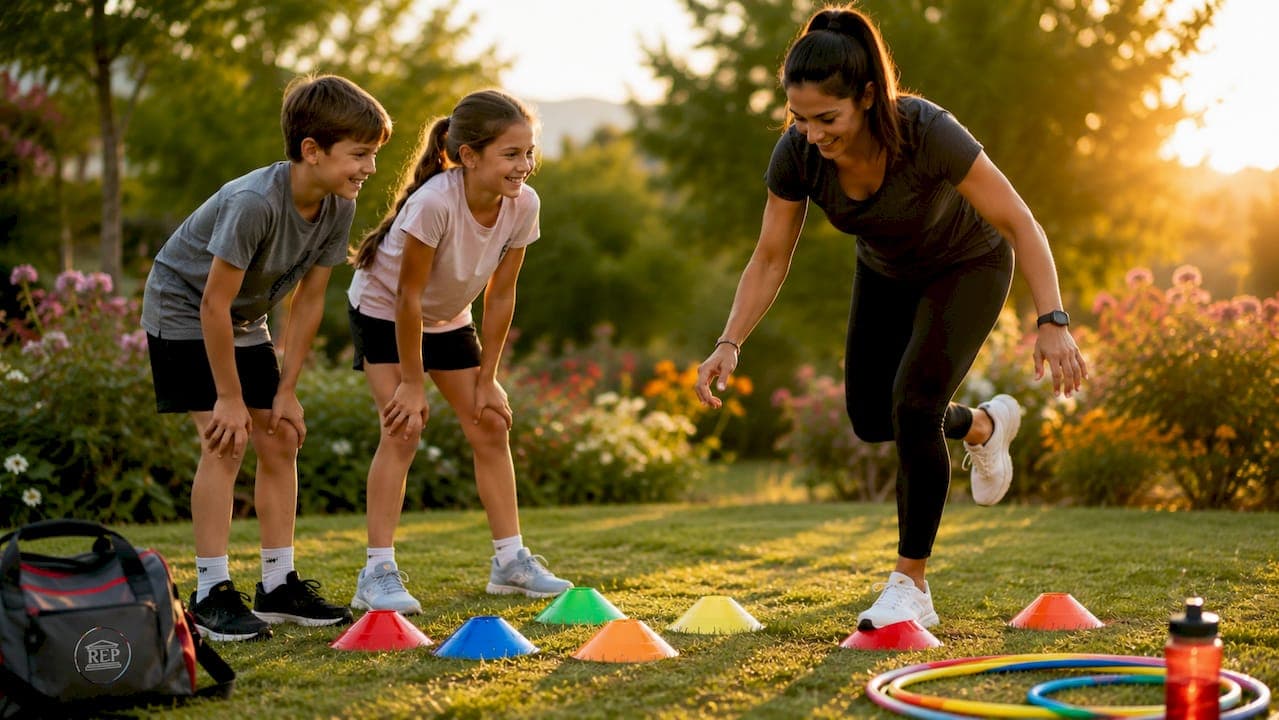
A personal trainer for kids is defined as a certified fitness professional who designs and delivers age-appropriate exercise programs to improve children's physical skills, confidence, and long-term health. The role of personal trainer for kids goes far beyond counting reps. These professionals act as mentors, movement coaches, and motivators who boost kids' skills, build injury-resistant bodies, and create positive relationships with fitness from an early age. In 2026, youth fitness coaching has become one of the fastest-growing areas in personal training, and parents in communities like 4S Ranch are asking sharper questions about what to look for and what to expect.
What is the role of a personal trainer for kids?
The core role is to deliver structured, developmentally appropriate training that children cannot safely design for themselves. A qualified youth trainer does three things well: teaches correct movement patterns, adjusts difficulty as the child grows stronger, and keeps sessions engaging enough that kids actually want to come back.
This is not the same as adult personal training with smaller weights. Children's nervous systems, bones, and emotional responses to challenge are fundamentally different. A skilled trainer recognizes those differences and builds programs around them rather than scaling down adult workouts.
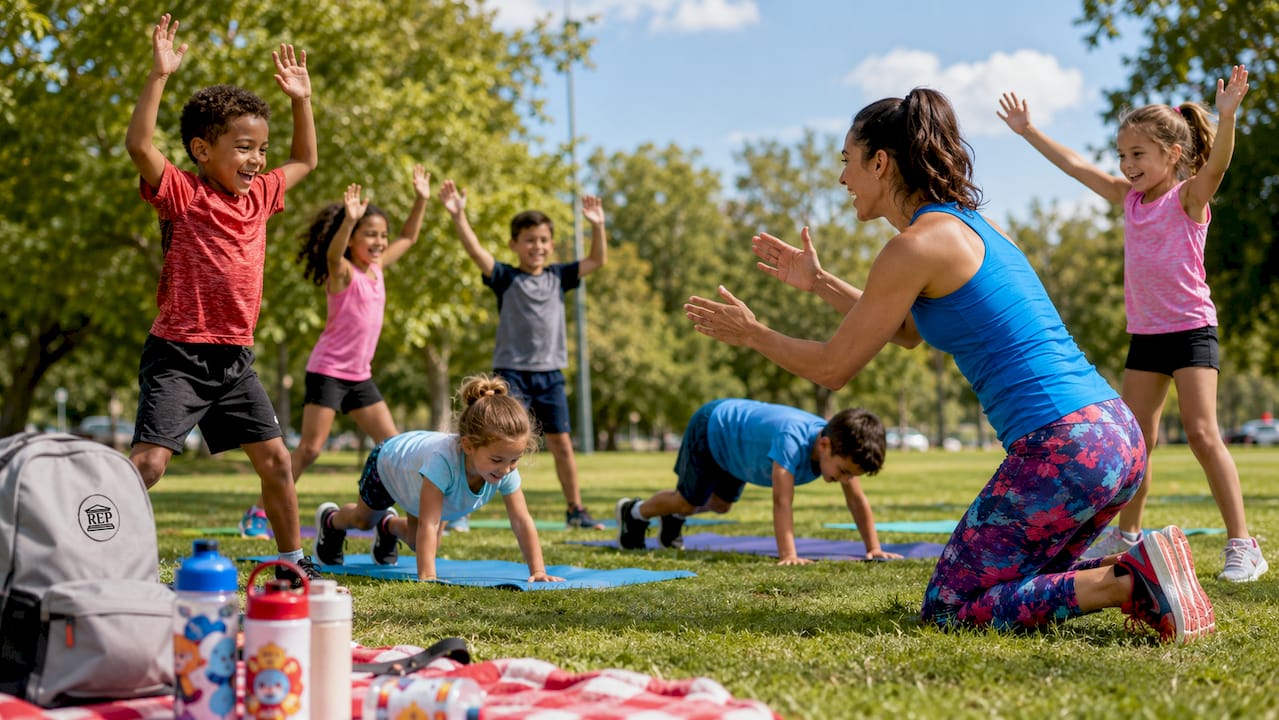
The mentorship dimension is just as real as the physical one. Trainers who involve children in session planning build intrinsic motivation that outlasts any single program. When a 10-year-old helps choose between a ladder drill and a cone course, they show up with ownership rather than obligation. That shift in mindset is one of the most underrated outcomes of youth personal training.
What activities and training methods do personal trainers use with children?
Effective personal trainer activities for children center on movement quality first and load second. Youth training sessions typically run 55–60 minutes and include agility, balance, coordination, and strength drills delivered in 30–60 second intervals. Short intervals keep attention sharp and prevent the fatigue-driven form breakdowns that cause most youth injuries.
Here is what a well-designed session looks like in practice:
- Warm-up movement prep: Dynamic stretches, skipping patterns, and lateral shuffles prime the joints and signal the brain that it is time to work.
- Agility and coordination drills: Ladder runs, cone weaves, and reaction games develop the neuromuscular connections that transfer directly to sports performance.
- Bodyweight strength work: Push-ups, squats, lunges, and planks build foundational strength without placing excessive load on developing bones.
- Sports-specific drills: A young soccer player might work on single-leg stability; a swimmer might focus on rotational core control.
- Cool-down and reflection: Light stretching paired with a brief conversation about what went well reinforces both physical recovery and emotional connection to the session.
Effective youth training prioritizes fun, emotional safety, and movement quality over intensity. That principle sounds simple, but it is the single biggest mistake untrained coaches make when working with kids.
Pro Tip: Ask any trainer you are considering to describe their last session with a child your kid's age. A great trainer will light up describing the games and challenges they used. A mediocre one will list exercises.
How do personal trainers tailor fitness programs to different child age groups?
The ACSM recommends at least three resistance training sessions per week for children, with programming that shifts significantly across three developmental tiers. Age-appropriate progression is not optional. It is the difference between a child who thrives and one who gets hurt or burns out.
-
Ages 5–8: Fundamental movement. The priority is learning how to move. Trainers focus on running mechanics, jumping and landing safely, throwing patterns, and basic balance. Formal resistance training is minimal. Play-based activities dominate because the nervous system at this age learns best through exploration.
-
Ages 9–12: Strength and coordination. Children in this window can begin structured bodyweight training and light resistance work. Starting with bodyweight exercises provides measurable progress and minimizes risk. Trainers introduce more complex movement patterns like single-leg squats and push-up progressions.
-
Ages 13–18: Performance and conditioning. Teenagers can handle sport-specific conditioning, loaded strength work, and more advanced athletic development. This is where youth sports performance training becomes most impactful, bridging the gap between general fitness and competitive readiness.
| Age group | Training focus | Example exercises |
|---|---|---|
| 5–8 years | Fundamental movement skills | Skipping, jumping, catching, balance beams |
| 9–12 years | Strength and coordination | Bodyweight squats, push-ups, agility ladders |
| 13–18 years | Athletic performance | Loaded squats, sprint mechanics, plyometrics |
Pro Tip: A formal movement screening before starting any program identifies imbalances early. Ask your child's trainer whether they conduct one before the first session.
What are the key benefits of personal training for kids?
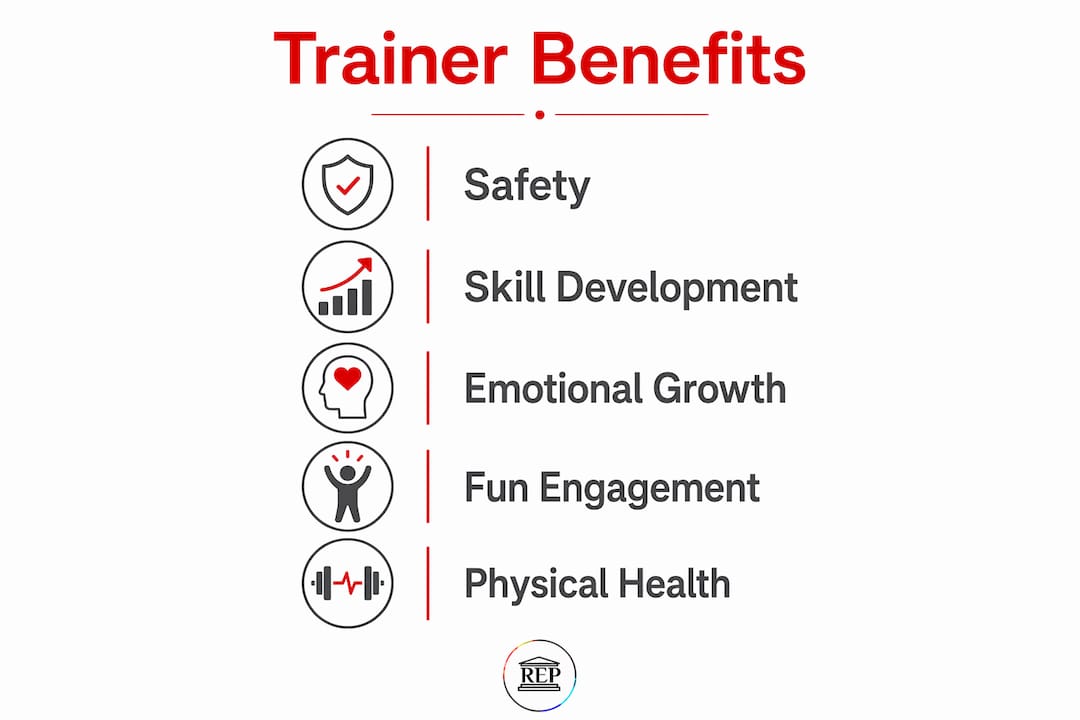
The benefits of kids personal training span physical, mental, and social development in ways that team sports alone rarely deliver. Here is what the research and real-world experience confirm:
- Improved technique and injury prevention. Supervised training teaches children how to land from a jump, brace their core, and move through full range of motion. These skills reduce the overuse and acute injuries that sideline young athletes.
- Confidence and mental health. Shifting focus from appearance to capability helps children build a healthy long-term relationship with fitness and prevents the gym anxiety that plagues many adults. A child who learns they can do ten pull-ups carries that confidence into the classroom and onto the field.
- Social connection. Group sessions add a social component that builds peer support and confidence beyond what one-on-one training offers. Peer encouragement is a powerful motivator at every age, but especially during the 9–14 window when belonging matters most.
- Long-term fitness habits. Children who train with a skilled coach learn to associate exercise with achievement and enjoyment rather than punishment. That association is the foundation of a lifetime of healthy movement.
"The goal is not to create young athletes. The goal is to create young people who love moving their bodies and know how to do it safely." — IDEA Health & Fitness Association
One myth worth addressing directly: properly supervised resistance training does not stunt growth. Poor programming stunts growth. A qualified trainer who follows progressive overload principles and prioritizes movement quality poses no risk to a child's development. The American Academy of Pediatrics supports youth resistance training when it is appropriately supervised.
How should parents choose the right personal trainer for their child?
Choosing a youth fitness professional requires more scrutiny than hiring a trainer for yourself. The stakes are higher because children are more vulnerable to poor technique, emotional discouragement, and inappropriate loading. Here is what to look for:
- Certification specific to youth fitness. A Level 2 certification is the recognized standard for trainers working with children. Ask to see credentials before the first session. A trainer who cannot name their youth-specific certification is not the right fit.
- Experience and genuine enthusiasm. Training kids demands charisma and energy that is distinct from adult training. Watch how the trainer interacts with your child during a trial session. Do they get down to the child's level? Do they use encouragement over correction?
- Safe student-to-instructor ratios. For group programs, a 10:1 student-to-instructor ratio is considered the safe standard. Anything higher reduces the trainer's ability to monitor form and prevent injury.
- Communication style. A great youth trainer explains the "why" behind each exercise in terms a child understands. They also communicate clearly with parents about progress, concerns, and program adjustments.
- Approach to progression. Ask how the trainer decides when to increase difficulty. The answer should reference movement quality first and load second. If they lead with weight numbers, keep looking.
For a deeper look at local options, the guide on choosing a kids trainer in 4S Ranch walks through specific questions to ask during your first consultation.
Key takeaways
The most effective personal trainer for kids combines developmental knowledge, genuine enthusiasm, and a safety-first approach to build physical skills and lasting confidence.
| Point | Details |
|---|---|
| Role goes beyond exercise | Youth trainers act as mentors who involve kids in planning and build intrinsic motivation. |
| Age-appropriate programming matters | Training shifts from fundamental movement (5–8) to performance conditioning (13–18) based on development. |
| Safety is non-negotiable | Look for youth-specific certification, movement screening, and a 10:1 group ratio. |
| Benefits are holistic | Kids gain technique, confidence, social skills, and injury resistance, not just fitness. |
| Fun drives retention | Sessions built around play and emotional safety keep children engaged long-term. |
What I have learned training kids that most articles get wrong
I have worked with young athletes at every level, from 6-year-olds learning to skip properly to 17-year-olds preparing for high school varsity tryouts. The single biggest mistake I see in youth fitness is treating children like small adults who just need lighter weights. That approach misses everything that makes training kids both challenging and rewarding.
The truth is that a child's emotional experience of a session matters more than the physical output. If a 9-year-old leaves feeling embarrassed because they could not complete a drill, they will find a reason not to come back next week. If they leave feeling capable and proud, they will ask their parents when the next session is. That emotional outcome is the trainer's responsibility, and it requires a completely different skill set than programming a 5x5 squat protocol.
I also push back on the idea that group training is somehow less effective than one-on-one work for kids. At Repphilosophy, our youth group sessions often produce faster confidence gains than private sessions because the peer dynamic is so powerful at this age. Watching a friend nail a new skill is motivating in a way that adult praise simply cannot replicate.
The importance of fitness for kids is not about building the next generation of elite athletes. It is about giving every child the physical literacy and self-belief to live an active, healthy life. That is the work I show up for every day, and it is the standard I hold every program at Repphilosophy to.
— Coach Justin
Ready to get your child started with Repphilosophy?
At Repphilosophy, we built our youth training programs around one belief: every child deserves expert guidance in a space that feels safe, challenging, and genuinely fun. Based in 4S Ranch, we offer youth sports performance training, group classes, and bring-a-buddy memberships that make quality coaching accessible for every family.
Whether your child is just getting started or preparing for a competitive season, our WayALife Athletics program delivers the structured, age-appropriate training that builds real skills and lasting confidence. Prefer flexibility? Our virtual coaching memberships bring expert programming directly to your home. Explore all our youth training options and take the first step toward a stronger, more confident kid at Repphilosophy.
FAQ
What does a personal trainer for kids actually do?
A personal trainer for kids designs age-appropriate exercise programs, teaches correct movement technique, and builds positive fitness habits through structured, supervised sessions. They also serve as mentors who involve children in session planning to build motivation and confidence.
Is strength training safe for children?
Yes. Properly supervised resistance training does not stunt growth. Starting with bodyweight exercises and progressing based on movement quality is the safest and most effective approach for children of all ages.
How often should kids train with a personal trainer?
The ACSM recommends at least three sessions per week for children engaged in resistance training. Most youth programs run 55–60 minutes per session to balance training volume with attention and recovery.
What age can a child start working with a personal trainer?
Children as young as 5 can benefit from working with a qualified youth fitness trainer. Sessions at this age focus on fundamental movement skills like running, jumping, and balance rather than structured strength work.
How do I know if a trainer is qualified to work with my child?
Look for a youth-specific certification such as a Level 2 certificate, ask about their experience with children in your child's age group, and observe a trial session to assess their communication style and ability to engage your child positively.